Lipo 360 Recovery Timeline
Updated
On this page1 / 9Days 0 to 3: the hardest part
- Days 0 to 3: the hardest part
- Days 4 to 7: still swollen, less brutal
- Weeks 2 to 3: functional again
- Weeks 4 to 6: the shape starts appearing
- Months 2 to 3: patience phase
- Months 6 to 12: the settled result
- What Aliestetic coordinates in Miami
- Red flags: stop and call your surgeon
- If you traveled to Miami for this
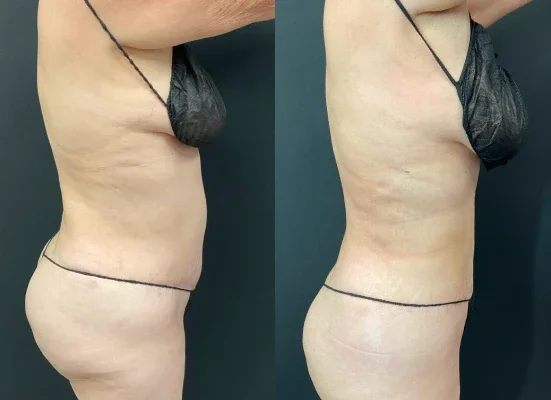
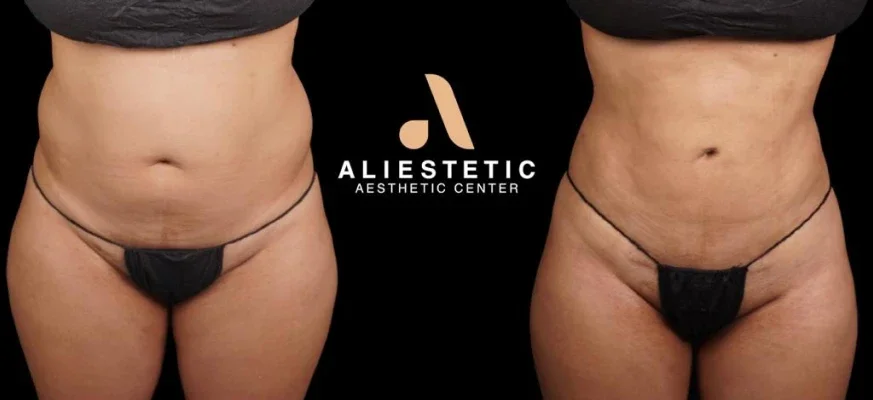
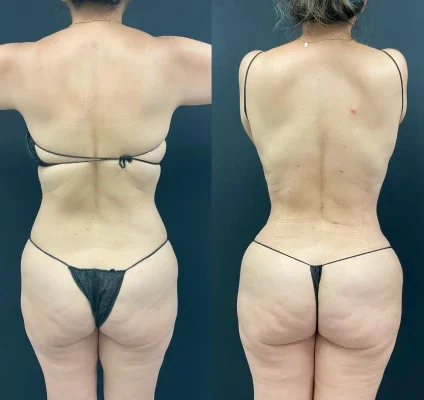
Lipo 360 is not a bigger version of a single area liposuction. It treats the abdomen, the flanks and the back as one circumference, which means more treated surface, more inflammatory response and a recovery that asks more of you.
This is a realistic timeline. It is not a promise, because bodies heal at different speeds and the amount of work done varies enormously from patient to patient. It is the shape of what usually happens, so you can tell the difference between normal and not normal.
Aliestetic is an aesthetic center in Miami. The surgery is performed by an affiliated plastic surgeon. What we coordinate is the recovery phase, always inside the operating surgeon’s written instructions.
Days 0 to 3: the hardest part
You will feel like you did an extreme workout and then got hit by a truck. Soreness is diffuse rather than sharp, worse when you change position, and concentrated in the areas that were treated most.
You will feel like you did an extreme workout and then got hit by a truck. Soreness is diffuse rather than sharp, worse when you change position, and concentrated in the areas that were treated most.
Expect drainage from the incision sites. Tumescent fluid leaks out for a day or two and it is often more than people anticipate, sometimes blood tinged. Waterproof pads on the bed are a practical necessity, not a suggestion.
You will be in compression from the start. Getting in and out of it will be the least dignified part of your week.
The single most important thing in this window is walking. Short, frequent walks. Not exercise, just movement. Immobility after surgery is associated with venous thromboembolism risk, and moving your legs regularly is one of the simplest protective habits you have. Your surgeon may also prescribe additional measures based on your individual risk profile.
Sleeping is awkward. Most people find a slightly reclined position more tolerable than flat.
Days 4 to 7: still swollen, less brutal
Pain typically shifts from sharp to sore. Bruising often looks worse before it looks better, and it may travel downward with gravity into areas that were never treated. That is normal.
Pain typically shifts from sharp to sore. Bruising often looks worse before it looks better, and it may travel downward with gravity into areas that were never treated. That is normal.
Swelling peaks in this window rather than immediately. This is when patients panic, because the tight, boxy, larger-than-before appearance is at its most dramatic and nothing looks like the result that was discussed.
Many surgeons clear gentle manual lymphatic drainage somewhere in this window. Some prefer to wait longer. It is genuinely a case by case decision and it belongs to the person who operated on you.
Numbness in the treated areas is common and usually temporary, though it can take months to fully resolve.
Weeks 2 to 3: functional again
Most people are back to desk work in this range, and many are back sooner. Driving resumes once you are off narcotic pain medication and can move without hesitation in an emergency.
Most people are back to desk work in this range, and many are back sooner. Driving resumes once you are off narcotic pain medication and can move without hesitation in an emergency.
Bruising fades. Swelling starts to come down noticeably rather than just moving around. The compression garment often starts to feel loose, which is a sign that you may need to move to a different stage or size rather than a sign that you are finished with compression.
This is also when firmness starts to be noticeable. Areas that felt uniformly puffy start to develop harder patches, ridges or bands. Some of that is normal early fibrosis and it evolves over months.
Weeks 4 to 6: the shape starts appearing
The American Society of Plastic Surgeons notes that some degree of swelling can persist for as long as six weeks after liposuction, and that is a useful anchor. You are not done at six weeks, but you are usually recognizable to yourself again.
The American Society of Plastic Surgeons notes that some degree of swelling can persist for as long as six weeks after liposuction, and that is a useful anchor. You are not done at six weeks, but you are usually recognizable to yourself again.
Compression typically continues through this period in a lighter stage. Exercise is reintroduced according to your surgeon’s clearance, generally progressing from walking to light cardio to resistance work rather than jumping back into a previous routine.
Swelling often becomes cyclical here. You look better in the morning and more swollen at night, better on rest days and puffier after a long day standing, and salt and heat both make it worse. Miami weather is not neutral in this equation.
Months 2 to 3: patience phase
Most of the visible swelling has resolved. What remains is subtler, and this is when people start scrutinizing asymmetries.
Most of the visible swelling has resolved. What remains is subtler, and this is when people start scrutinizing asymmetries.
A few honest points about this window. Both sides of the body rarely resolve at exactly the same rate, and temporary asymmetry is common. Firm areas are still remodeling. Skin retraction is still happening. Judging a final outcome here is premature, and any conversation about revision should be with your surgeon, not with the internet.
Months 6 to 12: the settled result
Contour continues to refine long after you feel recovered. The generally accepted window for judging a settled liposuction result runs from roughly six months to a year, depending on how much was treated and how your skin responds.
Contour continues to refine long after you feel recovered. The generally accepted window for judging a settled liposuction result runs from roughly six months to a year, depending on how much was treated and how your skin responds.
Scars from the small access incisions also mature over this period, typically fading and flattening over many months.
What happens to your weight during this year matters. Liposuction removes fat cells from treated areas, but it does not stop the remaining fat cells anywhere in your body from enlarging. Significant weight gain changes what you see, and no procedure protects you from that.
What Aliestetic coordinates in Miami
The recovery phase is where a lot of patients are left alone, and it is also where problems show up. Our role is to run that phase in a structured way inside what your surgeon has instructed.
The recovery phase is where a lot of patients are left alone, and it is also where problems show up. Our role is to run that phase in a structured way inside what your surgeon has instructed.
That includes lymphatic drainage sessions timed to your surgeon’s clearance, compression management through its stages including checking that the garment actually fits, carboxytherapy where appropriate for areas of firmness once cleared, wood therapy introduced only in the later phase and never in the fragile early weeks, and a 45 minute wellness protocol for the part of recovery nobody warns you about, which is how mentally hard the swollen weeks are.
It also includes something less glamorous: regular eyes on your body by people who know what week three is supposed to look like.
Red flags: stop and call your surgeon
Some things are not part of normal recovery:
Some things are not part of normal recovery:
- Fever or chills
- Redness spreading from an incision, worsening pain rather than improving pain, or foul smelling drainage
- A hot, hard, tender area
- A fluid pocket that visibly shifts or sloshes under the skin, which may be a seroma
- Pain or swelling in one calf, chest pain, or shortness of breath, which require emergency assessment
- Skin that turns dusky, dark or blistered
Do not book a massage for any of these. Call the surgeon who operated on you.
If you traveled to Miami for this
Plan your return flight with your surgeon, not with your calendar. The CDC has documented adverse outcomes among people who travel for cosmetic procedures, including post-surgical infections, and their advice centers on planning aftercare in advance rather than improvising it.
Plan your return flight with your surgeon, not with your calendar. The CDC has documented adverse outcomes among people who travel for cosmetic procedures, including post-surgical infections, and their advice centers on planning aftercare in advance rather than improvising it.
Practical version: know who is checking your incisions, know who you call at 9pm on a Sunday, know where you are getting your drainage sessions, and build in schedule slack in case your surgeon wants you to stay longer. Recovery is the part of this that people underbudget, in both time and money.
Ask your surgeon for written post-operative instructions before you leave the surgical facility. Bring them to us and we will build the calendar around them.
How long does recovery take after Lipo 360?
Lipo 360 treats the abdomen, flanks and back in one circumferential procedure, so recovery involves more treated surface than a single area liposuction. Most people are up and walking short distances the same day, are past the hardest stretch within the first week, and return to desk work in one to two weeks. Compression is typically worn continuously at first, then reduced in stages. The American Society of Plastic Surgeons notes that some degree of swelling can persist for as long as six weeks, and contour continues to refine well past that point, with the settled result generally judged around six to twelve months. Aliestetic, in Miami, coordinates the recovery phase around the operating surgeon's instructions, including lymphatic drainage timing, compression staging and monitoring for problems. Individual timelines vary, and no schedule should be treated as a promise.
Frequently asked questions
When can I fly home after Lipo 360?
That is your surgeon's call and it depends on your risk profile and how you are healing. Long flights soon after surgery raise concern about blood clots, which is why the CDC flags travel timing as a real risk in cosmetic travel. Ask before you book a return flight, and plan for the possibility of staying longer.
Why do I look bigger than before surgery?
Swelling and inflammatory fluid accumulate in the treated tissue while part of the lymphatic drainage network is temporarily less efficient. Looking larger and feeling tight in the first weeks is expected and is not a sign the procedure failed.
When can I go back to the gym?
Walking starts almost immediately and matters for circulation. Anything beyond that follows your surgeon's clearance, usually staged over several weeks from light activity to full training. Returning early tends to increase swelling rather than speed anything up.
How long do I wear the compression garment?
Most protocols run around six weeks or longer, worn continuously at first and then reduced in stages. Your surgeon sets your schedule. Wearing the wrong size is a common and avoidable problem, so get the fit checked rather than guessing.
Questions about your case?
Consultations are free, in person in Miami or by video if you are out of state.
Book a free consultation