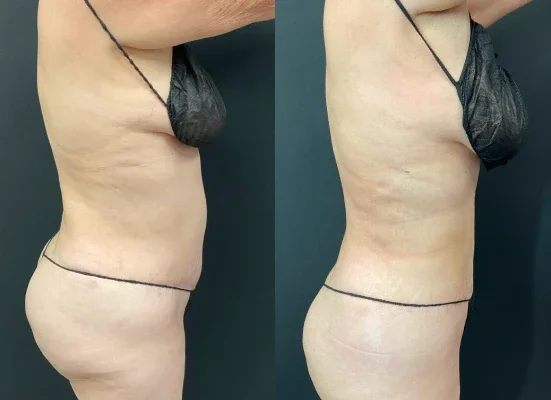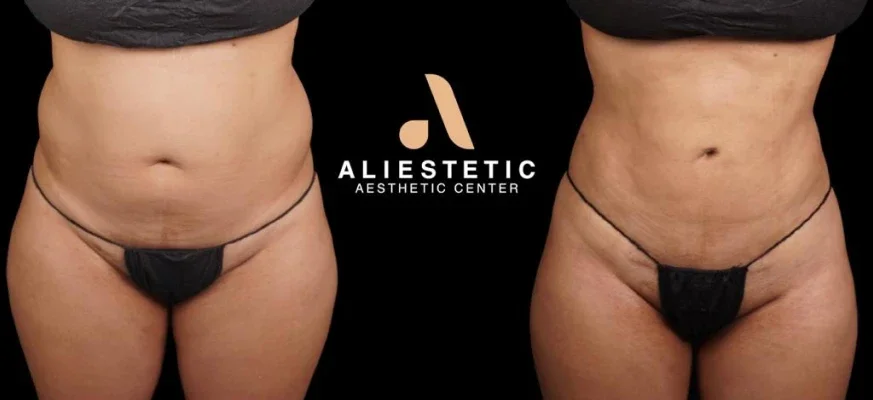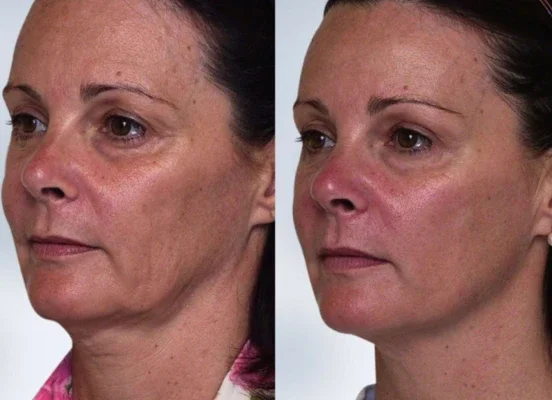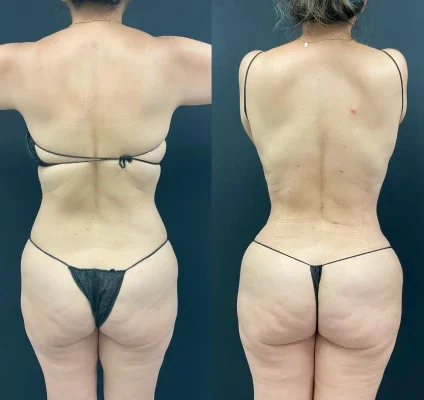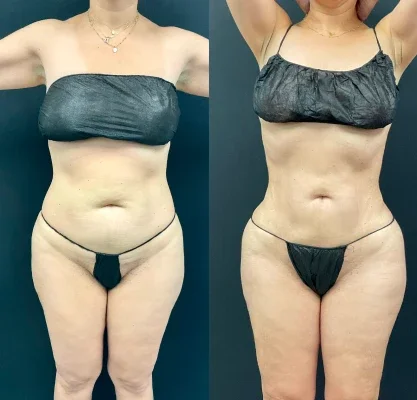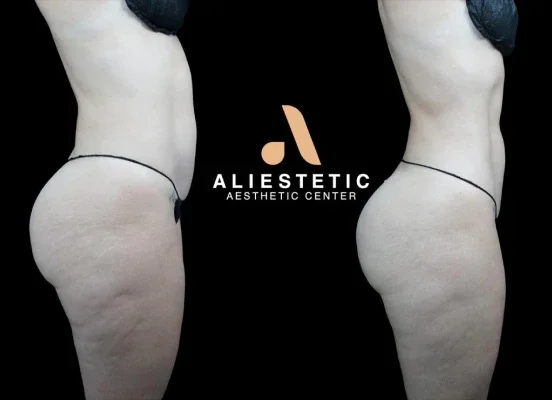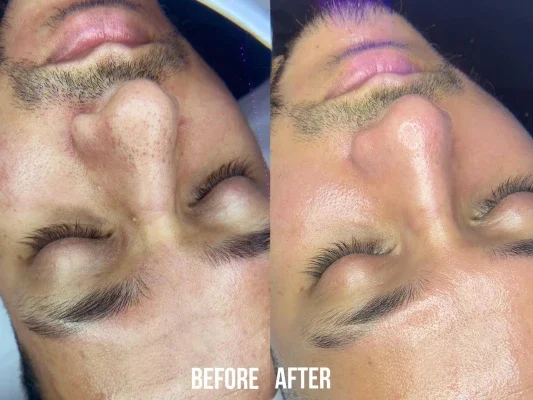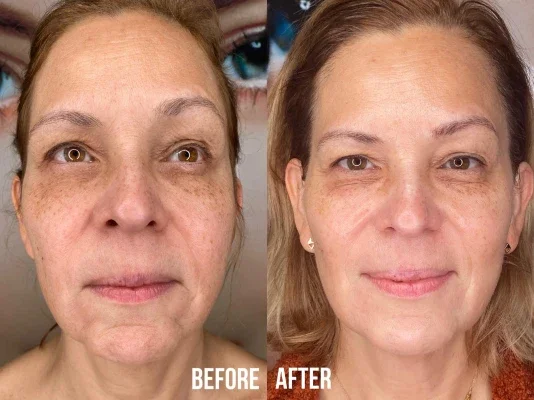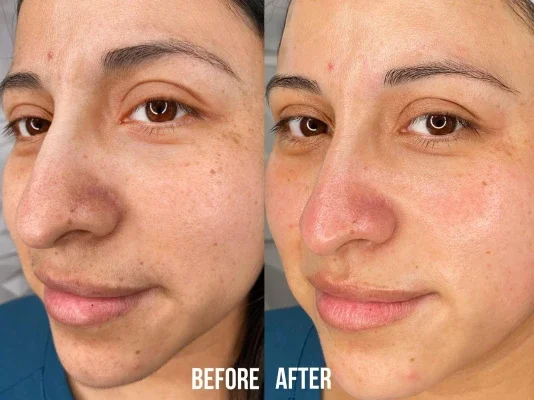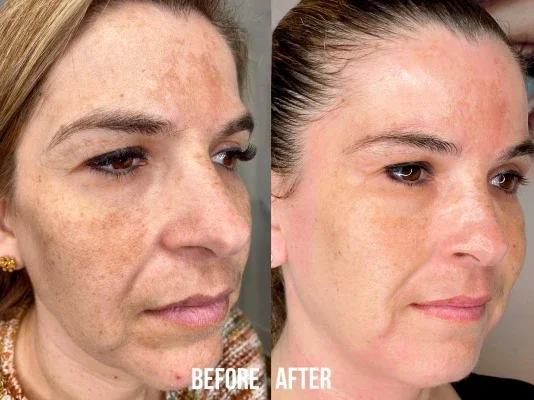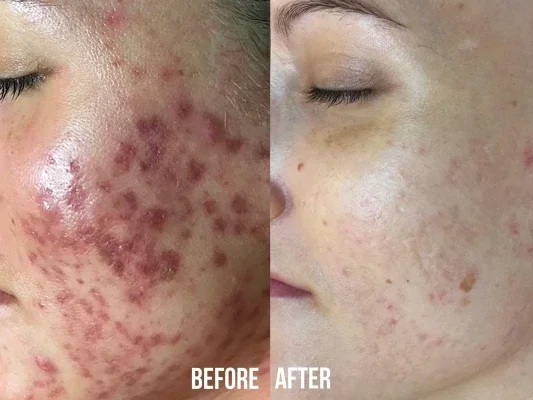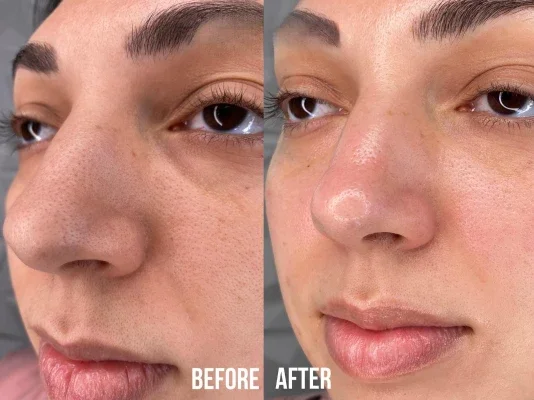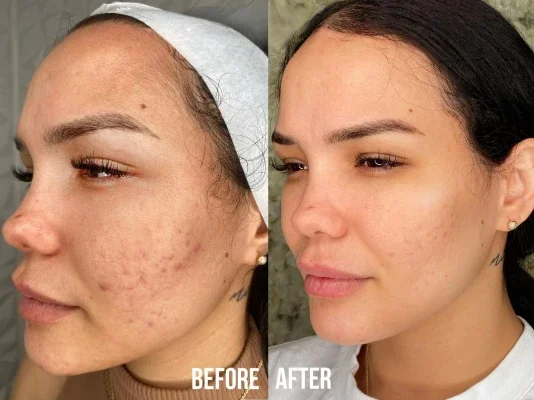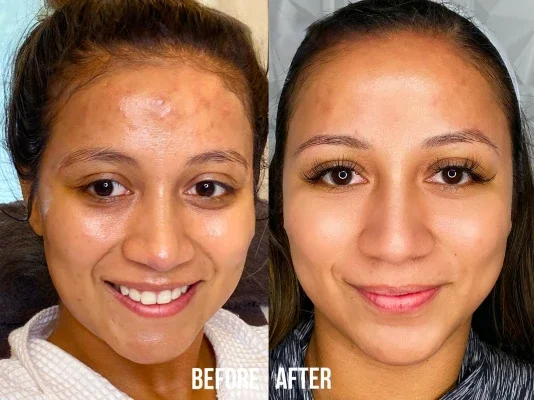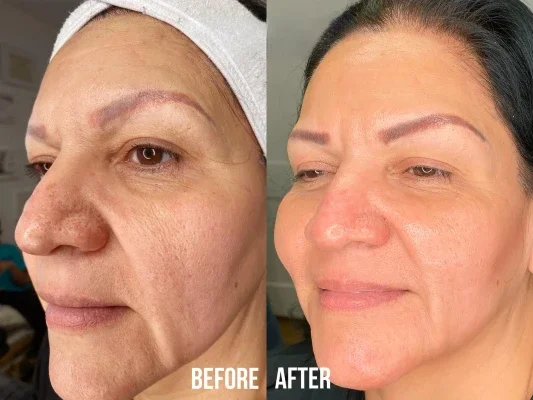
“My skin changed from the inside. It is firmer, brighter, and natural.” (Daniela E., 38 years old).
Natural and effective benefits
- Rejuvenates the skin biologically and safely.
- Reduces fine lines and wrinkles.
- Improves firmness, tone, and texture.
- Provides luminosity and cellular regeneration.
- Compatible with other facial treatments.
How does PRP Matrix work?
- A small sample of your blood is drawn.
- It is centrifuged to isolate the platelet-rich plasma.
- It is applied through micro-injections or microneedling technique.
- Stimulates cellular renewal and collagen production.
- Duration: 45–60 minutes
- Results: progressive, visible from the 2nd week. Protocols of 3–4 sessions.
Quick facts
- Sessions
- Commonly around 3 for the face, spaced 4 to 6 weeks apart
- Session time
- Roughly 60 to 90 minutes including the blood draw and processing
- Downtime
- Redness and mild swelling for 24 to 72 hours, occasional bruising at injection points
- When you see change
- Gradual over weeks to months as collagen remodels
- Best for
- Skin quality, texture, fine lines, acne scarring with microneedling, early hair thinning
- Not for you if
- Platelet disorder, severe anemia, active cancer or infection, pregnancy
On this page1 / 10What platelet rich plasma actually is
- What platelet rich plasma actually is
- What the growth factors are supposed to do
- PRP, PRF and PRFM, and what the matrix changes
- How PRP is applied to skin
- What the evidence supports, and what it does not
- The regulatory picture, stated plainly
- Why the vampire facial story is the most important thing on this page
- Autologous, and why that matters on brown and dark skin
- What PRP does not do
- The session, the aftercare, and who should skip it
Platelet rich plasma sits in an odd place in aesthetics: real biology, an excellent safety profile, and marketing so overheated that reasonable people assume it is nonsense. It is not. It is also not a facelift, not a filler, and not a guarantee.
Aliestetic is an aesthetic center with locations in Miami and Naples.
What platelet rich plasma actually is
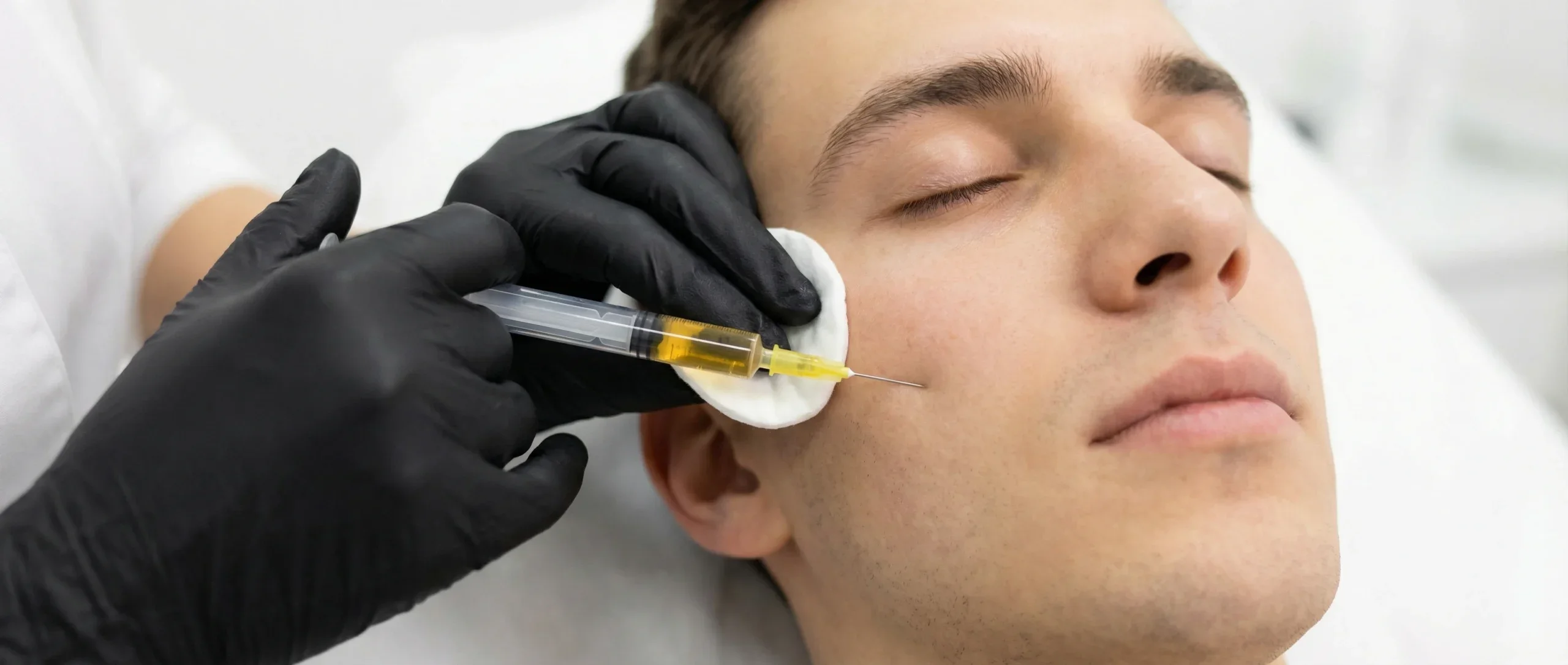
A small sample of your blood is drawn, the same way it is drawn for a lab test, then spun in a centrifuge fast enough to separate the components by density: red cells settle at the bottom, and the plasma above them, with platelets concentrated well above their normal blood level, is platelet rich plasma. No drug, no synthetic filler, no donor material. What goes back into your skin came out of your arm minutes earlier.
A small sample of your blood is drawn, the same way it is drawn for a lab test, then spun in a centrifuge fast enough to separate the components by density: red cells settle at the bottom, and the plasma above them, with platelets concentrated well above their normal blood level, is platelet rich plasma. No drug, no synthetic filler, no donor material. What goes back into your skin came out of your arm minutes earlier.
What the growth factors are supposed to do
Platelets carry granules packed with signaling proteins that release when activated in tissue: PDGF recruits and activates fibroblasts, the cells that build collagen and elastin; TGF beta drives collagen synthesis and modulates the inflammatory phase of healing; VEGF stimulates new small blood vessels and improves how well nourished the dermis is; EGF supports the epidermis. You are not adding collagen, you are delivering a concentrated repair signal and letting your own fibroblasts do the building, which is why nothing happens overnight.
Platelets carry granules packed with signaling proteins that release when activated in tissue: PDGF recruits and activates fibroblasts, the cells that build collagen and elastin; TGF beta drives collagen synthesis and modulates the inflammatory phase of healing; VEGF stimulates new small blood vessels and improves how well nourished the dermis is; EGF supports the epidermis. You are not adding collagen, you are delivering a concentrated repair signal and letting your own fibroblasts do the building, which is why nothing happens overnight.
PRP, PRF and PRFM, and what the matrix changes
PRP is liquid, releasing growth factors in a relatively rapid early burst. PRF and PRFM add fibrin, the clotting scaffold, to trap platelets for a slower, more sustained release, with a slight body some clinicians use for its mild volumizing feel. Head to head clinical comparisons in facial aesthetics are still limited, so anyone claiming a settled winner is ahead of the data.
PRP is liquid, releasing growth factors in a relatively rapid early burst. PRF and PRFM add fibrin, the clotting scaffold, to trap platelets for a slower, more sustained release, with a slight body some clinicians use for its mild volumizing feel. Head to head clinical comparisons in facial aesthetics are still limited, so anyone claiming a settled winner is ahead of the data.
How PRP is applied to skin
With microneedling
PRP is applied over the microchannels so it can reach the dermis. This is the workhorse and best supported combination.
By intradermal injection
Small deposits placed for skin quality on the cheeks, neck and perioral region.
Under the eyes
For texture and tone, with mild reported risks but evidence limited to small studies, since under eye circles are not one condition and the right answer depends on whether it’s a hollow, pigment, or thin skin showing vessels underneath.
What the evidence supports, and what it does not
Systematic reviews of platelet concentrates in facial rejuvenation report improvements in skin texture, elasticity and overall appearance, with individual studies documenting increases in collagen density. In atrophic acne scars, a meta analysis of microneedling with PRP versus microneedling alone found meaningfully higher odds of substantial improvement on the Goodman scale and higher patient satisfaction, without more severe redness or swelling. In androgenetic alopecia, multiple meta analyses report increased hair density compared with placebo, including one pooled estimate of roughly 27 additional hairs per square centimeter, though the underlying studies are heterogeneous, often small, and vary widely in preparation protocol, which makes results hard to compare across the board.
Systematic reviews of platelet concentrates in facial rejuvenation report improvements in skin texture, elasticity and overall appearance, with individual studies documenting increases in collagen density. In atrophic acne scars, a meta analysis of microneedling with PRP versus microneedling alone found meaningfully higher odds of substantial improvement on the Goodman scale and higher patient satisfaction, without more severe redness or swelling. In androgenetic alopecia, multiple meta analyses report increased hair density compared with placebo, including one pooled estimate of roughly 27 additional hairs per square centimeter, though the underlying studies are heterogeneous, often small, and vary widely in preparation protocol, which makes results hard to compare across the board.
Fair summary: plausible mechanism, positive but heterogeneous evidence, best documented in combination with microneedling, with outcomes that vary considerably between individuals.
The regulatory picture, stated plainly
The centrifuges and kits used to prepare PRP hold FDA 510(k) clearance as devices, typically with narrow labeled indications.
Using the resulting PRP for facial rejuvenation, acne scars or hair is largely off label, which is legal and common across medicine and not a red flag by itself. Presenting it as FDA approval is the red flag.
Why the vampire facial story is the most important thing on this page
The nickname came from celebrity coverage, but there is a serious reason to talk about it. In 2018 the New Mexico Department of Health opened an investigation after a woman with no known risk factors was diagnosed with HIV following a vampire facial at an unlicensed spa in Albuquerque. A CDC report published in 2024, covering an investigation that ran through 2023, concluded that three women acquired HIV from contamination at that facility, which had apparently reused equipment intended for single use. It was the first documented HIV transmission linked to cosmetic injections.
The nickname came from celebrity coverage, but there is a serious reason to talk about it. In 2018 the New Mexico Department of Health opened an investigation after a woman with no known risk factors was diagnosed with HIV following a vampire facial at an unlicensed spa in Albuquerque. A CDC report published in 2024, covering an investigation that ran through 2023, concluded that three women acquired HIV from contamination at that facility, which had apparently reused equipment intended for single use. It was the first documented HIV transmission linked to cosmetic injections.
That outbreak says nothing about PRP as a biological treatment and everything about who is holding the syringe. The controls are not exotic: trained, licensed personnel; sterile single use needles, tubes and cartridges opened in front of you and discarded after; one patient’s blood handled at a time, never pooled with anyone else’s. Ask about every one of those, at any clinic.
Autologous, and why that matters on brown and dark skin
Autologous means it comes from your own body: no foreign substance, no risk of rejection, no allergy to the product itself. That matters more in melanin rich skin, where the dominant complication of aesthetic treatments is post inflammatory hyperpigmentation, the dark mark left behind after inflammation. PRP involves no light and no heat, so there is no chromophore for energy to strike and no thermal injury to trigger a pigment response, keeping that risk low compared with light based devices. Low risk is still not zero: bruising, swelling and tenderness happen, and any procedure that inflames skin can in principle provoke pigment in a susceptible person, so aftercare and sun protection still count.
Autologous means it comes from your own body: no foreign substance, no risk of rejection, no allergy to the product itself. That matters more in melanin rich skin, where the dominant complication of aesthetic treatments is post inflammatory hyperpigmentation, the dark mark left behind after inflammation. PRP involves no light and no heat, so there is no chromophore for energy to strike and no thermal injury to trigger a pigment response, keeping that risk low compared with light based devices. Low risk is still not zero: bruising, swelling and tenderness happen, and any procedure that inflames skin can in principle provoke pigment in a susceptible person, so aftercare and sun protection still count.
What PRP does not do
It does not add structural volume, so it does not replace filler in a hollow temple, cheek or tear trough. It is not a lift and will not reposition descended tissue or erase deep static wrinkles, and it does not regrow hair on a scalp with no remaining follicles. It is not a one session treatment either: results build slowly and some people respond noticeably better than others.
It does not add structural volume, so it does not replace filler in a hollow temple, cheek or tear trough. It is not a lift and will not reposition descended tissue or erase deep static wrinkles, and it does not regrow hair on a scalp with no remaining follicles. It is not a one session treatment either: results build slowly and some people respond noticeably better than others.
The session, the aftercare, and who should skip it
The blood draw is a routine venipuncture; if needles worry you, tell us when you book. Processing takes a few minutes, then application, with numbing cream when microneedling is part of the plan. Afterwards expect redness, possible mild swelling and occasional bruising at injection points, mostly settling within one to three days. Keep the routine simple, skip actives for several days, and use mineral sunscreen once the skin tolerates it.
The blood draw is a routine venipuncture; if needles worry you, tell us when you book. Processing takes a few minutes, then application, with numbing cream when microneedling is part of the plan. Afterwards expect redness, possible mild swelling and occasional bruising at injection points, mostly settling within one to three days. Keep the routine simple, skip actives for several days, and use mineral sunscreen once the skin tolerates it.
PRP is avoided in platelet disorders and low platelet counts, severe anemia, active cancer, active infection, and pregnancy. Anticoagulants require your physician’s input rather than a yes or no from us, and no one should stop a prescribed medication on their own. Anti inflammatory medications can blunt platelet function, so bring your full list.
The practical framing: microneedling with PRP is for texture and acne scarring, filler is for volume, radiofrequency and skin tightening are for laxity. PRP is the biological layer underneath all of it, and works best as part of a plan rather than as a single dramatic appointment.
What is a PRP facial and does platelet rich plasma actually work on skin?
A PRP facial uses platelet rich plasma, a concentrate made from a small sample of your own blood. The tube is spun in a centrifuge, which separates red cells from plasma and concentrates the platelets, and that plasma fraction is then delivered back into the skin either through microneedling channels or by fine intradermal injection. Platelets carry growth factors including PDGF, TGF beta, VEGF and EGF, which recruit fibroblasts, support new collagen and improve dermal blood supply. Published systematic reviews describe improvements in skin texture, elasticity and acne scarring, with the strongest evidence appearing when PRP is combined with microneedling. Because the material is autologous, there is no risk of rejection or of allergy to a foreign product, and there is no light or heat involved, which keeps pigment risk low in darker skin. At Aliestetic in Miami it is offered as a gradual treatment, not as a substitute for filler or for a lift.
Frequently asked questions
Is a PRP facial the same thing as a vampire facial?
It is the same underlying treatment. The nickname came from celebrity photos and it has caused real confusion. The important part is not the name but how it is performed: trained staff, sterile single use supplies, blood that is drawn, processed and returned to the same person without ever leaving sight. Everything in this treatment depends on that chain being handled correctly.
Is PRP safe? What happened at that New Mexico spa?
In 2018 the New Mexico Department of Health began investigating an unlicensed spa in Albuquerque after a woman with no known risk factors was diagnosed with HIV following a vampire facial. A CDC report published in 2024 described an investigation running from 2018 through 2023 and concluded that three women acquired HIV from contamination at that facility, which had apparently reused single use equipment. It remains the first documented HIV transmission linked to cosmetic injections. The lesson is about licensing, sterile technique and single use supplies, not about the biology of PRP.
Does the blood draw hurt, and how much blood is taken?
It is a routine venipuncture, similar to a standard lab test, and only a small sample is needed. If needles make you anxious, say so when you book. Being seated, hydrated and having eaten beforehand makes a real difference, and there is no reason to be embarrassed about asking to look away or to lie down.
How many PRP sessions will I need?
Facial plans commonly run around three sessions spaced roughly four to six weeks apart, with maintenance discussed afterwards. Hair plans typically use a more frequent initial series. There is no single validated protocol in the literature, which is one of the honest limitations of PRP, so your plan comes from an in person assessment and results vary from person to person.
Is PRP a substitute for filler?
No. Hyaluronic acid filler adds structural volume immediately. PRP is a biological stimulus that works gradually on skin quality, texture, fine lines and tone. If your concern is a hollow that needs to be filled, PRP is the wrong tool. If your concern is crepey, dull or thin skin, it is a reasonable one.
Is PRP good for dark circles under the eyes?
It is used there and the reported risk profile is mild, mostly temporary swelling and bruising. The evidence base is limited, with small studies and short follow up. It also depends on what is causing the circles, since a shadow from a hollow, pigmentation and thin skin showing vessels are three different problems with three different answers. That is what an in person assessment sorts out.
What is the difference between PRP and PRFM?
PRP is liquid. PRF and PRFM are prepared so that fibrin forms a matrix that holds platelets in a scaffold, which is described as releasing growth factors more slowly rather than in a single early burst. PRFM systems are also used for their slight gel like body. Head to head aesthetic evidence between the formats is still limited, so claims of clear superiority should be read carefully.
Who should not have PRP?
It is avoided with platelet disorders or low platelet counts, severe anemia, active cancer, active infection including at the treatment site, and pregnancy. Anticoagulant therapy needs physician input rather than a blanket yes or no, and never stop a prescribed medication on your own. Anti inflammatory medications can affect platelet function, so tell us everything you take.
Is PRP FDA approved for the face?
The correct wording is that the kits and centrifuges used to prepare PRP hold FDA 510(k) clearance as devices, generally with narrow labeled indications. Aesthetic facial use is largely off label, which is legal and common in medicine but should be stated plainly rather than dressed up as FDA approval. Ask any clinic that tells you otherwise to show you the wording.
Can PRP be combined with microneedling?
Yes, and that combination has the better published support of the two on its own. A meta analysis in atrophic acne scars found higher odds of greater than fifty percent improvement on the Goodman scale and higher patient satisfaction with microneedling plus PRP compared to microneedling alone, with similar rates of severe redness and swelling.
Still not sure you are a candidate?
That is what the first consultation is for. It is free, there is no obligation, and you can come to Miami or start by video if you are travelling in.