
Updated
What is a custom facial and how is it different from a standard one?
A custom facial is a treatment built after a skin assessment rather than chosen from a menu. At Aliestetic in Miami the session starts by evaluating skin type, Fitzpatrick phototype, barrier condition, current products, medication and history, and the protocol is assembled from there. Cleansing, exfoliation, extraction, masks, massage and finishing products are selected for that specific skin, and the intensity is dialled up or down on the day. It is the right entry point when you do not yet know what your skin needs, when your skin behaves differently in different seasons, or when a maintenance treatment is what is actually called for. It is not the right choice when the concern is structural. Deep acne scars, established melasma, laxity and active cystic acne all need targeted treatments, and a good assessment should tell you that honestly rather than sell you a facial. Results vary from person to person.
Immediate Benefits
- Cleaner, smoother, and more even skin.
- Oil control and pore reduction.
- Deep hydration with personalized active ingredients.
- Ideal for congested or dull skin.
- Relaxing, with no pain or irritation.
What does the session include?
- Personalized skin type assessment.
- Deep cleansing and manual or enzymatic exfoliation.
- Extraction of impurities (if necessary).
- Mask tailored to your needs.
- Hydration, massage, and final protection.
- Duration: 45–60 minutes.
- Results: more balanced and luminous skin from the first session.
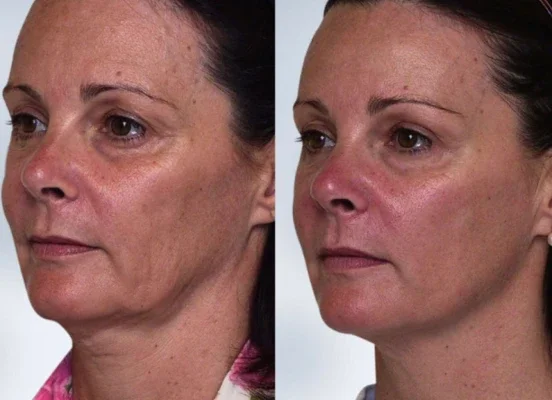
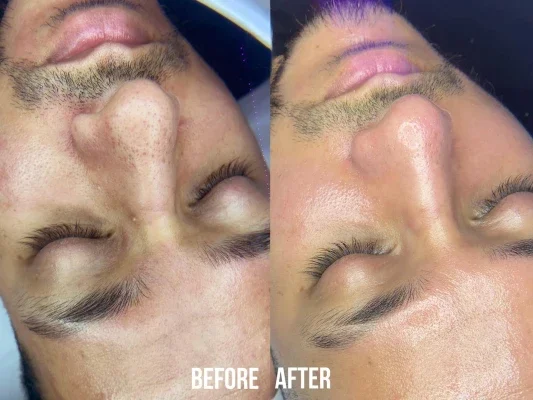
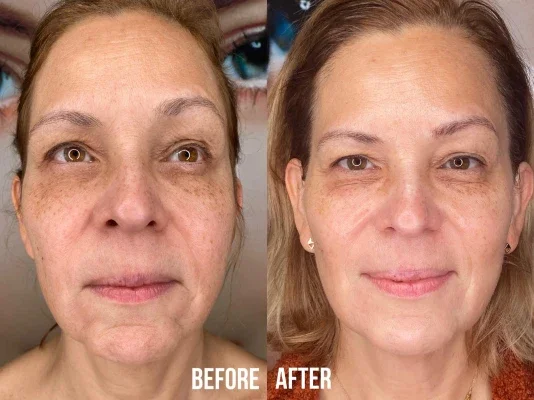
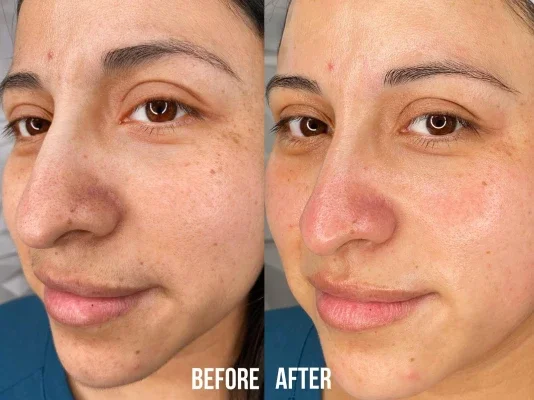
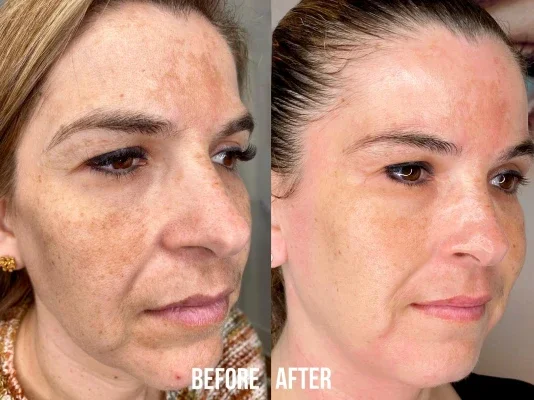
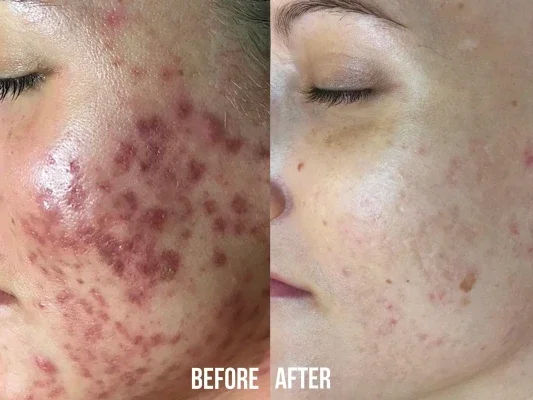
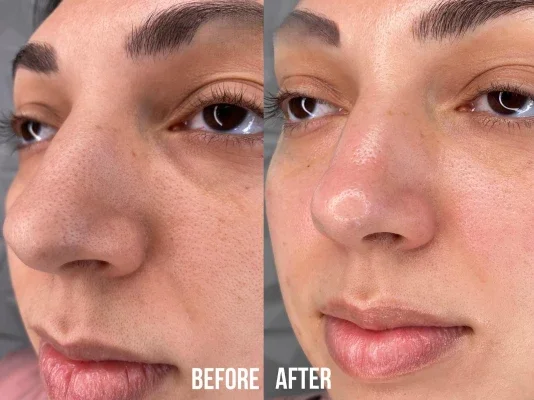
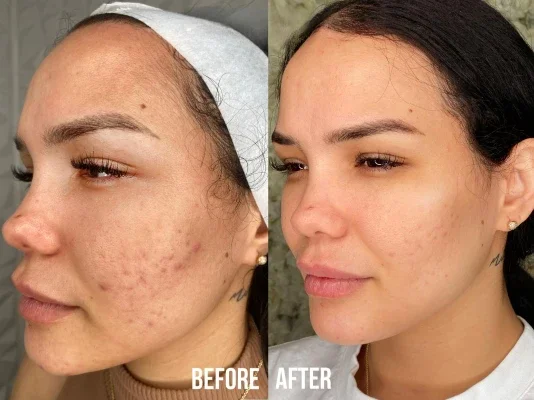
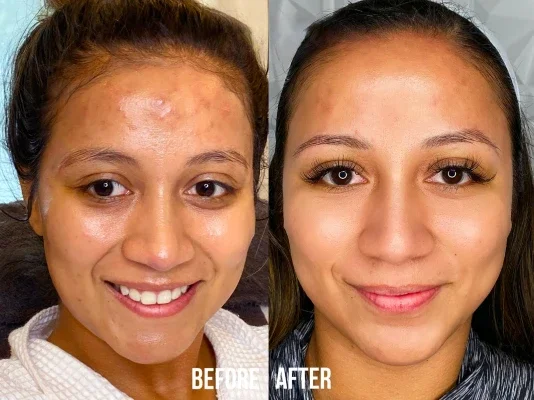
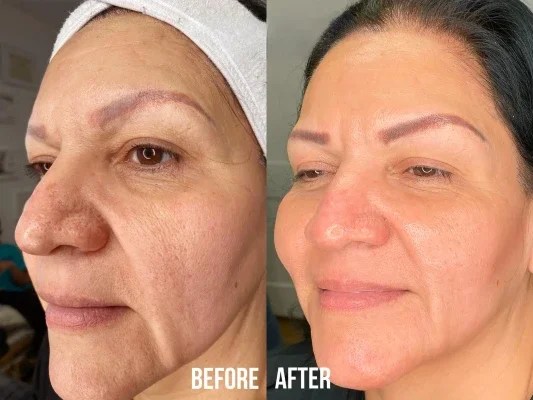
Real transformations
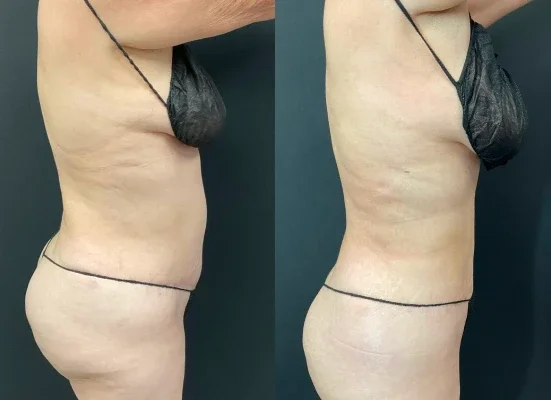
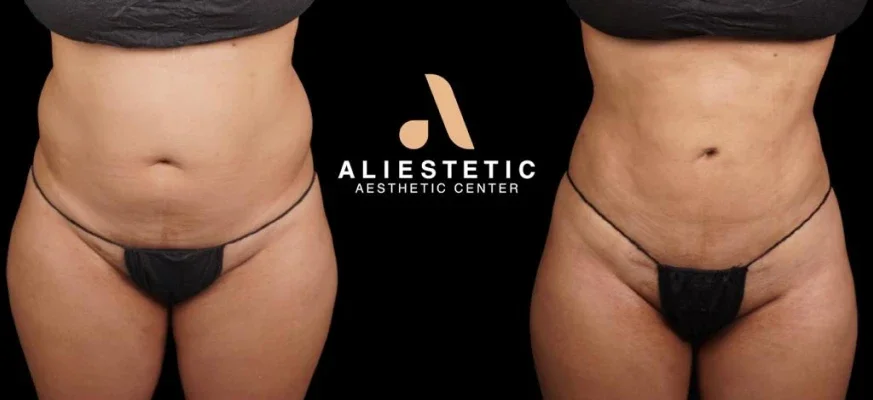
“My skin was congested and lifeless. After the Signature Facial, the glow and softness returned.” (Camila V., 29 years old).
Results are individual: one patient’s experience does not represent what any given person should expect.
Book your appointment nowQuick facts
- Sessions
- Usually monthly. Corrective plans run in series and are scheduled after an assessment.
- Session time
- About 50 to 75 minutes depending on what the assessment calls for.
- Downtime
- None to minimal. Some redness for a few hours, more if a peel is included.
- When you see change
- Same day for glow and texture. Tone and congestion change over a series.
- Best for
- Anyone unsure what their skin needs, and for maintenance between corrective treatments.
- Not for you if
- You need correction of deep scars, established melasma, laxity or active cystic acne.
On this page1 / 7What a custom facial actually is
Most people book a facial from a menu they cannot read. This is the decision guide we would talk through with you in the room: which treatment fits which skin, including the cases where the honest answer is that a facial is not what you need.
What a custom facial actually is
Every step has a dial, and the dial gets set for your skin on the day: enzyme or acid exfoliation…
Every step has a dial, and the dial gets set for your skin on the day: enzyme or acid exfoliation, five minutes of extraction or twenty or none, a calming mask or a clarifying one. Skin is not static either. The same face behaves differently in August humidity than in February, or after three weeks of nightly retinol.
What happens in a skin assessment?
Skin type and current condition
Oily is a type, dehydrated is a condition, and oily dehydrated skin is extremely common in Florida, which is why people who feel greasy all day still get tightness and flaking.
Fitzpatrick phototype
How skin responds to sun and to treatment, from type I, very fair skin that always burns, to type VI, deeply pigmented skin that rarely burns. It sets how much inflammation is acceptable.
Barrier condition
A compromised barrier stings, flushes and reacts to products that used to be fine. Treating on top of it makes everything worse, and sometimes the right first appointment is a repair session and nothing else.
Product history
Retinoids, acids, hydroquinone, benzoyl peroxide, prescription creams, and whatever a relative brought back from another country.
Medical history and medication
Isotretinoin in the past year, pregnancy or breastfeeding, cold sore history, keloid tendency, autoimmune conditions, recent procedures, and photosensitizing medication including certain antibiotics, some hormonal treatments and some acne drugs.
Anything changing, bleeding, itching or not healing goes to a dermatologist first. Assessment is not diagnosis.
Which facial does your skin need?
Oily, congested skin with blackheads
Clear the follicle without traumatizing the skin around it. Hydradermabrasion, which is what a HydraFacial does, usually fits best: vortex suction clears a wide area without pinching. Milia and stubborn closed comedones still need careful manual extraction, so the two are combined. Salicylic acid is oil soluble and gets into the pore. If oil rebuilds within days, a series beats one session.
Dry, dehydrated, tight skin
Dehydration is a water problem, not an oil problem. It responds to gentle exfoliation followed by hydration and barrier repair, not to more scrubbing. Dermaplaning is useful here, since removing dead cells and vellus hair lets everything applied afterwards penetrate better. Extraction should be minimal: dry skin rarely has much to extract, and working it hard leaves it inflamed.
Sensitive skin or rosacea
Less, slower, cooler. No steam, no aggressive exfoliation, no heat, minimal extraction, calming actives. In an active flare the right answer is usually to wait, because treating through a flare tends to extend it. Persistent rosacea belongs with a dermatologist: it is a medical condition and the useful tools are prescriptions.
Dark spots and uneven tone
Sort it first. Post inflammatory hyperpigmentation, the mark left by a pimple or an injury, fades with time, sunscreen and a plan. Melasma, the symmetric brown patching on cheeks, forehead and upper lip, is driven by hormones, heat and sun, and it is a management problem rather than a cure problem. A superficial peel is often the sensible tool, and formulation matters more than strength.
PCA’s Sensi Peel, a 6 percent trichloroacetic acid solution with lactic acid, is formulated specifically for sensitive and ethnic skin and is used across Fitzpatrick I to VI.
Intense pulsed light is excellent for sun damage and vascular redness on lighter skin and a poor choice for hormonal melasma, because the heat can stimulate melanocytes and worsen the pigment. Any provider who offers you IPL for melasma without saying so is not being straight with you.
First lines and loss of firmness
Surface treatments do not reach this. Fine lines and early crepiness respond to collagen stimulation: microneedling, platelet rich plasma when the aim is to use your own growth factors, or radiofrequency for laxity. A facial keeps skin in good condition between those sessions but does not substitute for them. Anyone selling you a facial for jowls is selling you a nice hour.
Active acne
Active inflammatory or cystic acne needs a clinical plan, usually a physician and often prescription treatment. A facial contributes controlled decongestion, careful extraction of what is safe to extract, and management of the marks left behind. What it must not do is grind over inflamed lesions: suction and pressure on a cyst raise the chance of a mark that outlasts the pimple by months. Once acne is controlled, atrophic scarring is microneedling territory.
Dull skin before an event
Gentle exfoliation, hydration, massage and light, the lowest risk option in this guide. Dermaplaning is popular before events because makeup sits noticeably better on skin with no vellus hair. Book three to five days ahead rather than the day before, since skin sometimes flushes and purging shows up a couple of days later.
How a custom facial changes on brown and dark skin
On Fitzpatrick IV to VI skin, melanocytes respond more strongly to injury, so inflammation…
On Fitzpatrick IV to VI skin, melanocytes respond more strongly to injury, so inflammation, friction and heat can trigger post inflammatory hyperpigmentation, the dark mark that appears where the irritation was. It is the most common complaint we hear. The adjustments are discipline, not complexity.
Extraction is time limited
Working a stubborn comedone for ten minutes because it should come out is how a mark is made. If it does not release, it waits for the next visit.
Actives are introduced one at a time
No stacking a peel on a course of retinoids on a scrub at home.
Heat is used sparingly
No prolonged steam on skin that pigments easily, and careful thought before any light or energy device.
Nothing aggressive on a first visit
We learn how your skin reacts before we ask more of it.
Sunscreen is part of the treatment
Calmed pigment comes straight back with unprotected sun, and this is Florida.
For acne scarring, comparative studies in skin of color have found substantially less post inflammatory hyperpigmentation after microneedling than after fractional CO2 laser, which is why needling based approaches are preferred in darker phototypes even though laser can produce more improvement per session.
What to do before any facial
Pause retinoids and strong exfoliating acids for three to five days, and leave two weeks either…
Pause retinoids and strong exfoliating acids for three to five days, and leave two weeks either side of botulinum toxin or filler in the treated area. No waxing, threading or depilatory cream on the area for a week. Avoid deliberate sun and self tanner, and reschedule if you are sunburned.
What to do after
Keep the routine simple for two or three days: cleanser, moisturizer, sunscreen. No gym, sauna or…
Keep the routine simple for two or three days: cleanser, moisturizer, sunscreen. No gym, sauna or pool for the rest of the day, because heat and sweat on freshly exfoliated skin is an easy way to get irritation. Wait three to five days before restarting exfoliants, longer if a peel was included, and let any flaking come off on its own.
The honest limit
A facial is maintenance, decongestion and skin quality. It does not remodel the dermis, remove…
A facial is maintenance, decongestion and skin quality. It does not remodel the dermis, remove scars, resolve melasma or lift tissue. If that is what you came for, the useful thing we can do at the first visit is say so and point you at what will actually work. Results vary from person to person, and no honest assessment ends in a guarantee.
Frequently asked questions
What is the best facial for my skin?
There is no universal answer, which is why an assessment comes first. Congestion and blackheads usually point to hydradermabrasion, dryness to hydration focused work, dullness to gentle exfoliation, uneven tone to a superficial peel, and texture or scarring to microneedling. The wrong facial is not just useless, it can set the skin back.
How is a facial different from a HydraFacial?
A HydraFacial is one specific device based protocol using suction and serum infusion. A custom facial is the broader category, done by hand with products, steam, masks and extraction, and it can be built softer or stronger. Many people alternate between them.
How often should I get a facial?
Roughly once a month suits most skin, because that tracks the skin renewal cycle. Very oily and congested skin sometimes benefits from a tighter interval at the start. Dry, sensitive or reactive skin usually does better every six to eight weeks. Over treating a face is a real way to damage the barrier.
Will a facial make me break out?
It can. When exfoliation and extraction bring congestion to the surface, some small breakouts can appear in the following days. That usually settles within a week. Widespread new inflammation is different, and it means the protocol was too aggressive for your skin.
I have brown skin. Will a facial leave dark marks?
Not if it is done with restraint. Dark marks come from inflammation, not from the treatment itself. On Fitzpatrick IV to VI skin we limit extraction time, avoid stacking strong acids, skip heat where possible and never treat aggressively on a first visit. Sunscreen afterwards is not optional.
Should I stop my retinol before a facial?
Yes. Pause retinoids and strong exfoliating acids for about three to five days beforehand, and restart only when the skin feels normal again, usually three to five days after. Tell us what you use even if you stopped, because a barrier thinned by retinoids behaves differently for weeks.
Can I get a facial if I just had botox or filler?
We leave a margin of about two weeks either side of injectables in the treated area, because massage and pressure are part of most facial protocols. Tell us the date and the area and we will plan around it or reschedule.
Can I have a facial while pregnant?
Usually yes, with an adjusted protocol. Several common actives, including salicylic acid, retinoids and some brightening agents, are avoided in pregnancy, and most energy based devices are off the table. Tell us at booking so the session is built correctly from the start.
When is a facial not the right answer?
When the concern is structural or medical. Deep atrophic acne scars, established melasma, real laxity, active cystic acne, suspicious lesions and worsening rosacea all need something other than a facial, and two of those need a physician. A good consultation says so.
Still not sure you are a candidate?
That is what the first consultation is for. It is free, there is no obligation, and you can come to Miami or start by video if you are travelling in.