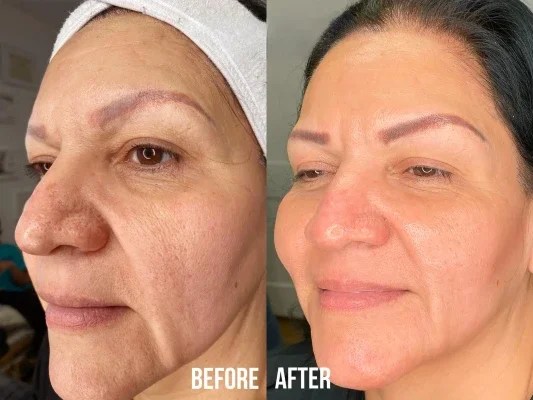
Updated

Surgical procedures are performed by an affiliated board-certified plastic surgeon. Aliestetic coordinates your consultation, pre-op and recovery.
What does a mommy makeover include, and should everything be done in one surgery?
A mommy makeover is not a defined operation. It is a combination assembled case by case, most often an abdominoplasty with repair of rectus diastasis, liposuction for contour, and a breast component that may be augmentation, a lift, a reduction, or implant removal. Combining has real advantages: one anesthetic, one pre-op workup, one recovery, and a result planned as a whole. It also adds operative time, and longer time under anesthesia is associated with higher risk of venous thromboembolism and wound healing problems. That is why some surgeons stage the plan across two procedures when a patient carries additional risk factors or when the list is simply too long. Aliestetic, in Miami, coordinates the consultation and runs the entire post-operative recovery program. Surgery is performed by our affiliated plastic surgeon.
Benefits of Real and Lasting Results
Tummy Tuck
Eliminates sagging and excess skin to restore abdominal firmness.
Breast Surgery
Includes options for augmentation, lift, or reduction according to your needs.
Liposuction
Performed in strategic areas to define the contour.
Fat Transfer (BBL)
Option to add natural volume to the buttocks with your own fat.

How is the Mommy Makeover performed?
- A comprehensive medical evaluation and personalized surgical planning are performed.
- Specific procedures are selected based on your personal goals.
- The combined surgeries are carried out in a single safe intervention.
- The process includes supervised recovery and emotional support at every stage.
Duration per session
Between 4 and 6 hours.
Results are visible starting from the 3rd week, with a progressive evolution up to 6 months.
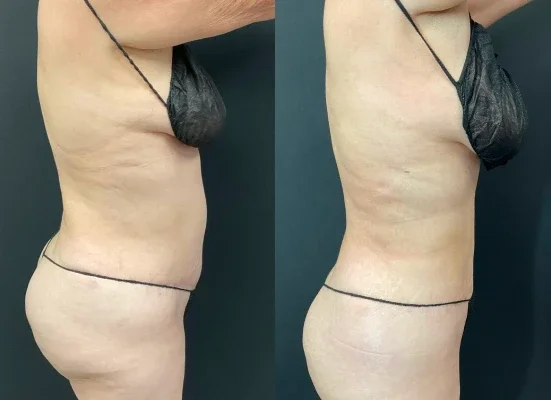
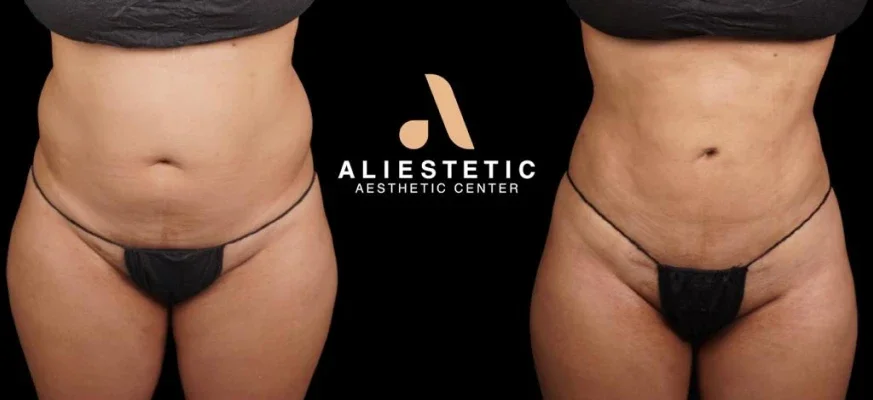
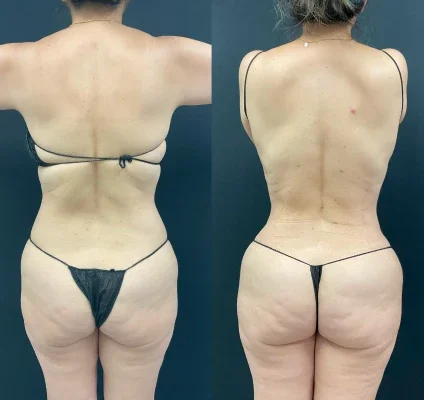
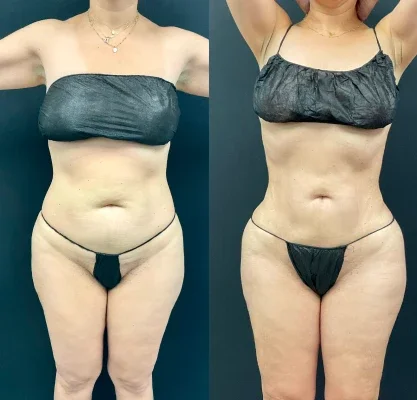
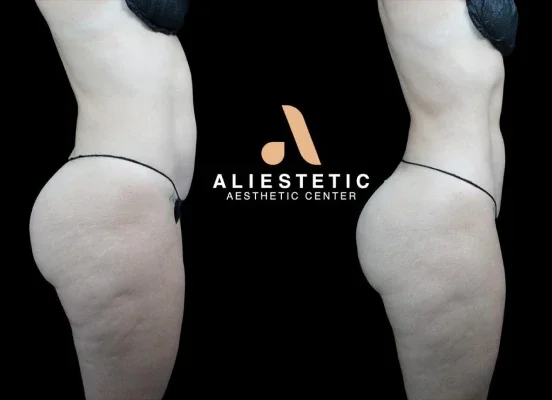
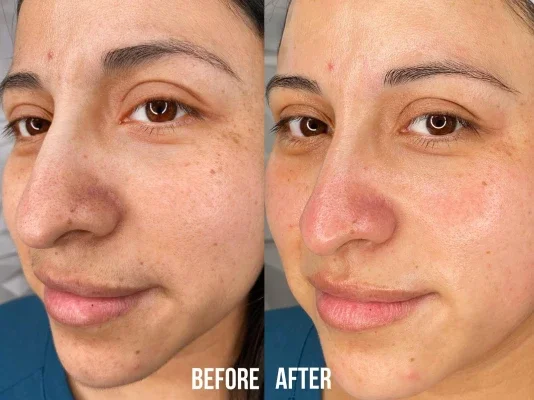
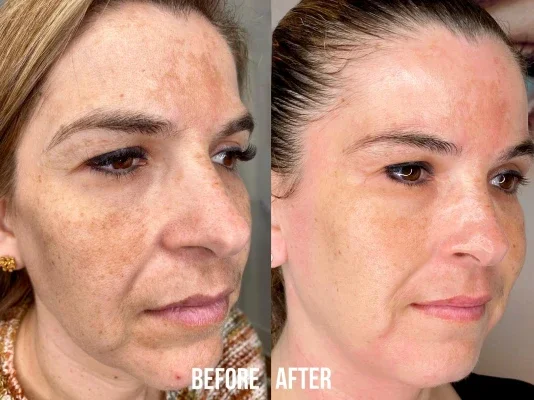
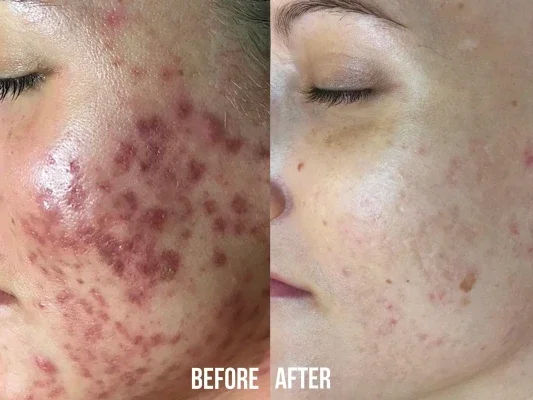
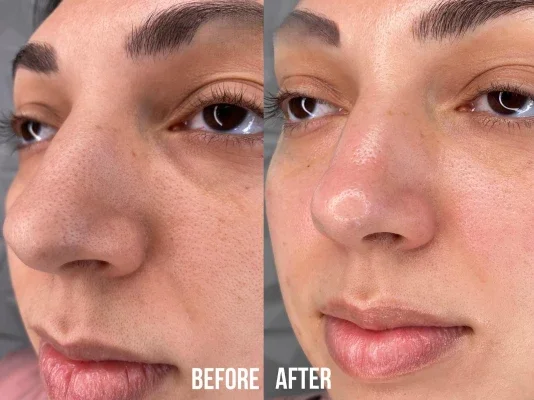
Real results
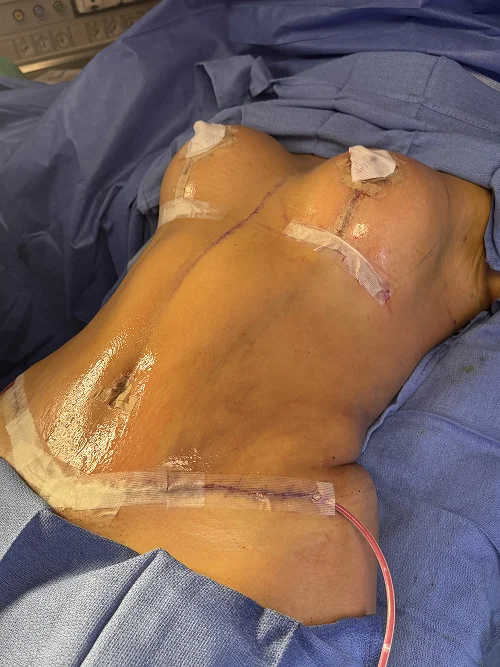
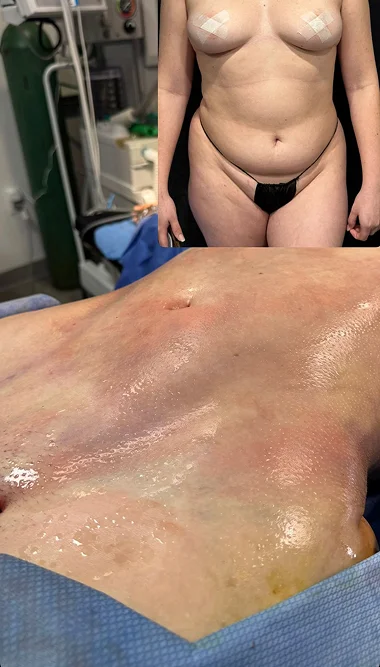
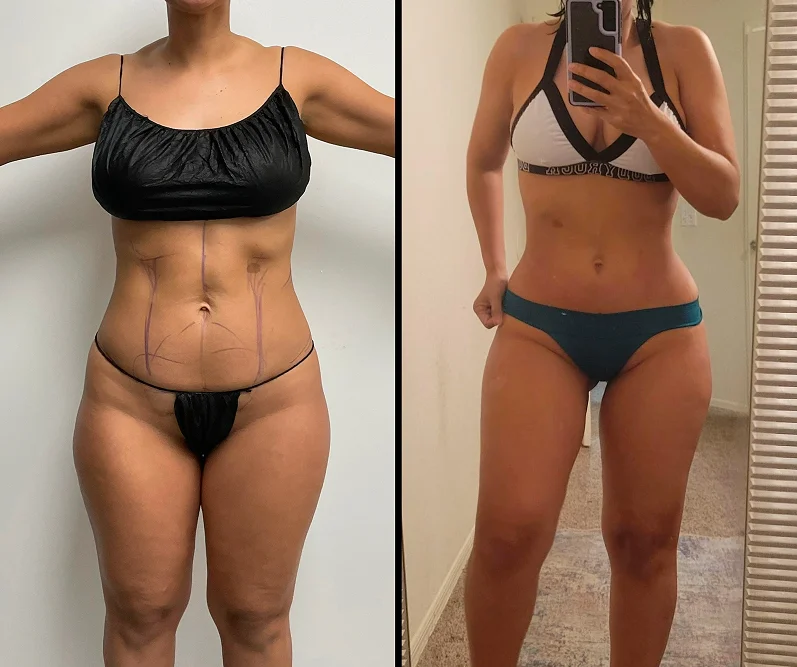
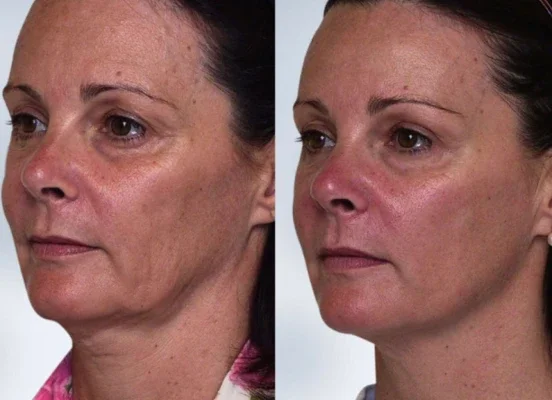
Results are individual and do not represent what any given person should expect.
Real transformations
“After my two children, I didn't think I could look like this again. The Mommy Makeover gave me my body and my confidence back.” (Laura S., 37 years old).
Results are individual: one patient’s experience does not represent what any given person should expect.
Book your appointment nowQuick facts
- What it includes
- A custom combination: abdominoplasty, liposuction, and a breast procedure
- Anesthesia type
- General anesthesia, after pre-anesthesia clearance
- Procedure time
- Commonly 4 to 6 hours depending on how many procedures are combined
- Recovery
- Two demanding weeks, full activity around weeks 6 to 8, contour settles at 3 to 6 months
- Back to work
- Desk work frequently around weeks 2 to 3 once cleared
- Lifting children
- Weight restrictions for the first weeks, normal lifting near week 6 with clearance
- Who operates
- An affiliated plastic surgeon. We give you the name, the Florida license number and the board certification at the consultation, before anything is scheduled
- Where recovery happens
- At the Aliestetic facility in Miami, with lymphatic drainage and staged compression
On this page1 / 9The pieces on the table
The term is marketing. There is no operation in any textbook called a mommy makeover. What exists is a set of separate body contouring procedures that get bundled, and the only decision that matters is which ones belong in the same operating room session and which should wait. That framing changes the whole consultation: instead of asking what a mommy makeover costs, the useful question is what your body needs and whether doing it all at once is a good trade for you specifically.
Our role is limited and worth stating plainly. Aliestetic coordinates the consultation, organizes pre-op, and delivers the complete post-operative recovery program at our Miami facility. Surgery is performed by our affiliated surgeon, certified by the American Board of Plastic Surgery, with more than two decades in practice.
The pieces on the table
Abdominoplasty
Removes excess lower abdominal skin and, in most cases, repairs rectus diastasis with plication, a suture line that pulls the separated muscles back toward the midline. That repair restores the waist and is also the source of most of the discomfort.
Liposuction
Shapes the flanks, back or thighs. It does not substitute for a tummy tuck because it removes no skin: it addresses contour, not laxity.
The breast component
Four roads, and picking the wrong one is the most common error: implant augmentation when volume is missing, a lift when the breast has descended, both together, or reduction for neck and back symptoms.
If gluteal fat grafting is added to the plan, Florida statute 458.328 applies, requiring subcutaneous-only placement above the gluteal fascia and ultrasound guidance during cannula navigation.
One surgery or two
The case for combining is not just convenience: fewer trips through anesthesia and recovery add up…
The case for combining is not just convenience: fewer trips through anesthesia and recovery add up, and chest and waist read better when the whole result is planned as a single composition rather than staged separately.
The case against is equally concrete: every added procedure adds operative time, and prolonged time under anesthesia is associated with higher rates of venous thromboembolism and wound healing complications, which is why many surgeons hold themselves to a self-imposed ceiling on elective hours. Combining also stacks the recovery: there is a large practical difference between recovering from a tummy tuck alone and doing it while your arm mobility is also limited by breast surgery.
Reasons a surgeon may stage the plan across two operations: elevated body mass index, prior clot history, smoking, poorly controlled hypertension or diabetes, an unusually long procedure list, or a patient with no help at home. Staging is not a downgrade, it is often the same plan done more safely.
Timing, and the diastasis question
Four things get evaluated: whether the family is complete, since a later pregnancy can undo the…
Four things get evaluated: whether the family is complete, since a later pregnancy can undo the muscle repair; whether enough time has passed since delivery and breastfeeding ended; whether weight has been stable for six months; and whether general health supports a long operation. Smoking is the single factor that most changes the outlook, since nicotine compromises perfusion of the abdominal flap, and serious surgeons require cessation.
On diastasis, many patients arrive having already done months of core work and been told they are not trying hard enough. Physical therapy helps function and can narrow the gap, but it cannot re-approximate fascia that has been permanently stretched.
What the process looks like
Your surgeon evaluates skin quality, the width of the diastasis, nipple position and breast volume…
Your surgeon evaluates skin quality, the width of the diastasis, nipple position and breast volume, then proposes a specific combination, including whether to stage it. Pre-op includes labs, nicotine cessation, anesthesia clearance, and breast imaging depending on age, plus planning household logistics: childcare, driving, cooking.
Surgery day starts with standing markings, under general anesthesia with sequential compression devices on the legs. Compression garments and, in most cases, drains are placed before you leave. Recovery then begins with us in Miami: lymphatic drainage after surgery on the surgeon’s clearance, and compression managed through garment stages.
Recovery week by week
- 01
Days 0 to 5
You walk bent forward deliberately to keep tension off the plication, and sleep with the torso elevated. A recliner solves more problems than any gadget on the checklist.
- 02
Weeks 1 to 2
Drains usually come out once output drops below the surgeon’s threshold. This is also the window where most seromas appear, so it helps to know how seroma and fibrosis differ.
- 03
Weeks 3 to 4
Desk work and longer walks return, and moderate lifting is often cleared. The scar enters its red, raised phase, normal and not a sign something went wrong.
- 04
Weeks 5 to 8
Upright posture is fully back, and lifting a small child is commonly cleared.
- 05
Months 3 to 6
Contour defines and the scar begins to fade.
Recovering with small children at home
This is the question patients search for most and get answered worst. For the first two weeks you…
This is the question patients search for most and get answered worst. For the first two weeks you need real help, not a two-hour visit: someone who lifts the baby, moves them in and out of the crib, and drives. If that person does not exist yet, the surgery gets scheduled for when they do. Teaching a toddler to climb onto the couch so you can hold them sitting down, and keeping baby supplies at waist height, both help. The lifting restriction is not a comfort suggestion, it is what protects the muscle repair, and it is the most commonly broken rule in this recovery.
Real risks
Every surgery carries risk, and this combination has a specific list: seroma, the most common…
Every surgery carries risk, and this combination has a specific list: seroma, the most common complication after abdominoplasty; abdominal flap necrosis, with substantially higher risk in smokers; wound dehiscence; hematoma; infection; hypertrophic scarring; deep vein thrombosis and pulmonary embolism, whose risk climbs with operative time; and, on the breast side, loss of nipple sensation or capsular contracture.
Seek urgent care for shortness of breath, chest pain, pain or swelling in one calf, fever, or an area of the abdomen that becomes dark, hard, and severely painful.
What to ask before you pick a surgeon
- Do you recommend one stage or two for me, and what drives that call?
- How many hours do you estimate, and what thromboembolism prophylaxis do you use?
- Will you repair the diastasis, and how did you assess it?
- Who administers anesthesia, and what accreditation does the facility hold?
- What is your revision policy?
Verify independently: check the surgeon’s license and disciplinary history through the Florida Department of Health, Division of Medical Quality Assurance, and confirm board certification with the American Board of Plastic Surgery. Board certified and cosmetic surgeon are not interchangeable terms, and in Florida any licensed physician can advertise as a cosmetic surgeon.
Where Aliestetic fits
We do not operate. We coordinate your consultation with our affiliated surgeon, organize the…
We do not operate. We coordinate your consultation with our affiliated surgeon, organize the pre-op, and then carry the recovery at our Miami facility: scheduled lymphatic drainage, staged compression management, carboxytherapy when the stage allows it, and wood therapy only in late phases, all inside what your surgeon writes down, because aggressive massage over a fresh muscle repair is not an option.
Frequently asked questions
How long should I wait after giving birth or after breastfeeding?
Common guidance is six months to a year after delivery, and at least three to six months after you stop breastfeeding, so breast tissue settles and volume stops shifting. Operating on breasts that are still changing raises the odds that the result will not match the plan. The abdominal wall also keeps regaining tone for months, and that affects how much skin actually needs to come out.
Do I have to be finished having children?
It is not a rule anyone enforces, it is physics. A later pregnancy stretches the skin again and can separate the muscle repair that was just sutured together. If future pregnancies are genuinely undecided, many patients do only the breast component, or wait. This is worth talking through completely with your surgeon before a date goes on the calendar.
Why does my weight have to be stable first?
Because the skin and fat removed are whatever exists on the day of surgery. Lose a lot afterward and you have new loose skin. Gain, and definition disappears while tension on the scar increases. Most surgeons want weight held steady for at least six months. The target is not an ideal number, it is a number you can realistically maintain.
Can diastasis recti close with exercise?
Diastasis is separation of the rectus muscles at the midline, with stretched connective tissue between them. Pelvic floor physical therapy and progressive core work improve function, posture, and control, and can narrow the gap in some cases. When the separation is wide and the fascia is permanently stretched, no exercise reconnects it, and surgical plication is the only way to bring the muscles back together.
Where does the tummy tuck scar go?
It runs horizontally low across the abdomen, planned to sit under the underwear or swimwear you actually wear. Its length depends on how much skin has to be removed. When skin above the navel is also removed, there is a second scar around the belly button. This operation trades skin for a scar, and that trade should be accepted before surgery, not discovered after.
How many days of recovery do I need?
The first ten to fourteen days are the ones that require real help at home. Most patients return to desk work somewhere in week two or three and to full activity around weeks six to eight, always on the surgeon's clearance. Abdominal swelling and final contour keep evolving for three to six months, and the scar keeps maturing for a year or more.
When can I go back to work?
Seated, light work is often possible in week two or three. Work that means standing for hours, lifting, or long drives takes longer. If your job is full-time care of small children, that is the heaviest job on this list and it needs the longest support plan. Say so honestly in consultation, because the recovery plan depends on it.
When can I lift my baby again?
A typical restriction is nothing over about ten pounds for the first two weeks, moderate weight cleared around weeks three to four, and normal lifting of a child around week six with your surgeon's approval. A two-year-old weighs far more than people remember. The workaround that actually works is teaching the child to climb onto the couch so you can hold them sitting down.
Does it hurt?
The breast portion is usually described as pressure and tightness. The abdominoplasty dominates, especially with muscle plication, because the repaired muscles object to every movement of the torso. You walk bent forward on purpose for the first days to keep tension off the repair. Pain is managed on the surgeon's protocol and typically drops noticeably after the first week.
Is it worth it?
What most patients say they got back is not a magazine body. It is getting dressed without adjusting everything and stopping the feeling that the abdomen is disconnected from the rest of them. It tends to be worth it when the motive is your own, the family is complete, the weight is stable, and there is real help for two weeks. Missing any of those usually means the timing is wrong, not the surgery.
How do I read a before and after photo?
Check how long after surgery the after photo was taken. At six weeks there is still swelling and the scar is red. Compare posture, distance, and lighting between the two images, and look for cases whose starting point resembles yours, especially in amount of loose skin. Ask to see the scar, not just the flattering profile. A gallery that never shows scars is editing the conversation.
Still not sure you are a candidate?
That is what the first consultation is for. It is free, there is no obligation, and you can come to Miami or start by video if you are travelling in.