
Updated
What happens during a post surgical lymphatic drainage session?
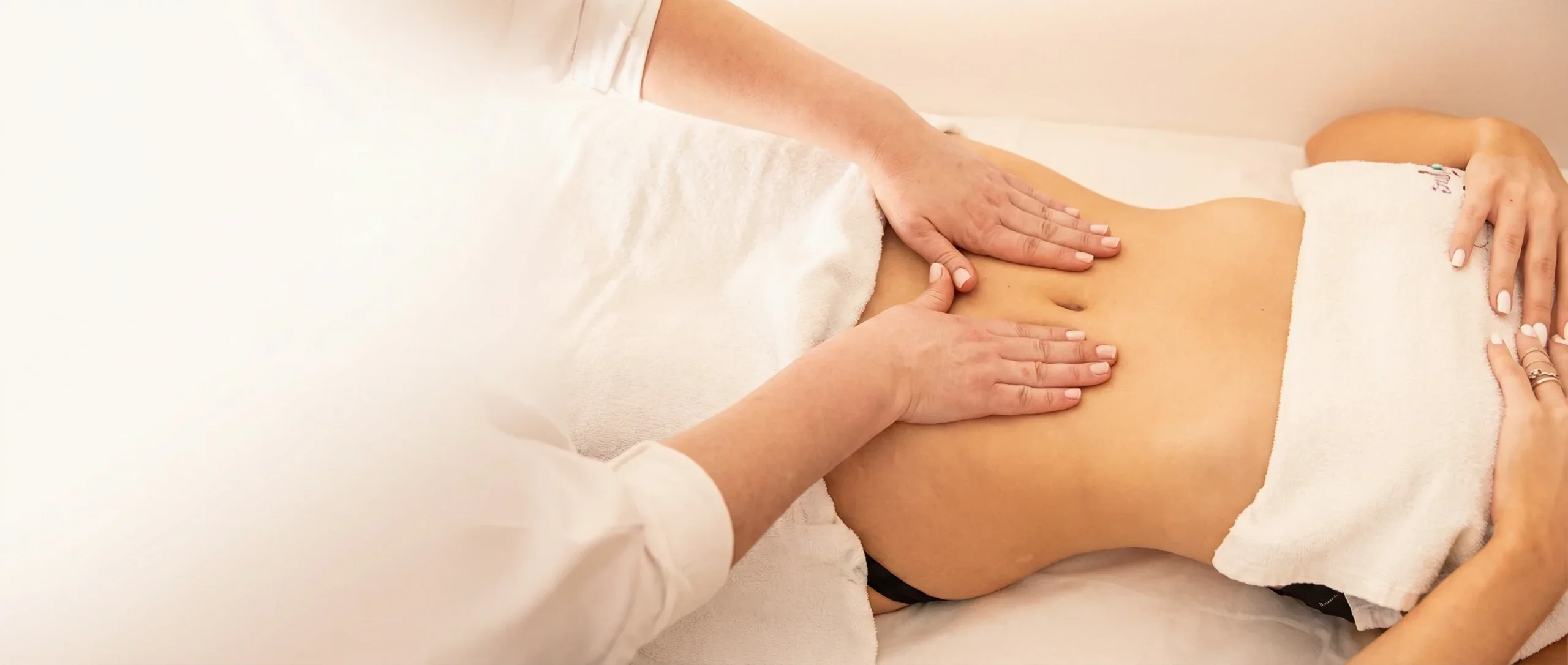
A post surgical lymphatic drainage session at Aliestetic in Miami begins with an assessment rather than with massage. The therapist looks at the incisions, checks the compression garment fit, feels the tissue for areas of firmness or fluid collection, and asks what the surgeon instructed. The work itself is manual and deliberately light. Lymphatic vessels sit just under the skin, so the technique uses slow, low pressure, rhythmic strokes that stretch the skin in the direction of flow, starting at the neck and the functioning lymph nodes to open the drainage route before anything is moved from the swollen area toward it. There is no deep kneading and no wooden tool involved in the early phase, because pressure on recently operated tissue increases inflammation instead of reducing it. A session typically runs about sixty minutes, ends with the garment refitted correctly, and includes notes on anything that should be reported to the surgeon.
Benefits of Real and Lasting Results
Reduces Swelling
Decreases swelling and retained fluids.
Improves Health
Improves circulation and cellular oxygenation, and stimulates the immune system.
Accelerated Recovery
Accelerates postoperative recovery.
Defined Silhouette
Favors a more defined and lighter silhouette.
Perfect for
- Postoperative patients.
- People with fluid retention.
- Those who wish to detoxify and reduce inflammation in their body naturally.
How Does It Work?
- Light, rhythmic manual strokes follow the lymphatic pathways of the treated area.
- Retained interstitial fluid is moved toward lymph nodes that are still draining normally.
- Work starts only once the surgeon who operated on you has cleared manual therapy.
Duration per session
45–60 minutes.
Most patients feel lighter after the first session. Your operating surgeon decides when to start and how many.
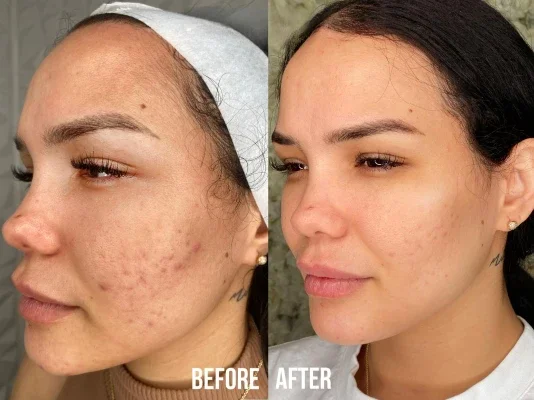
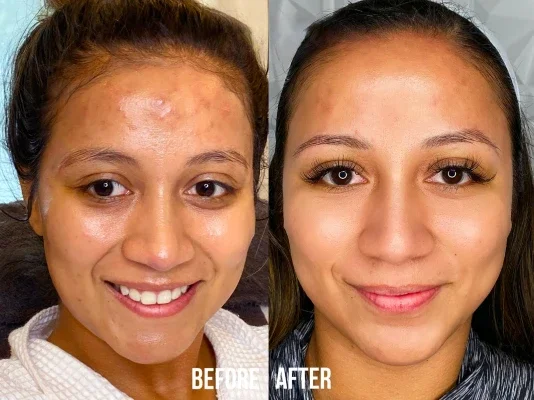
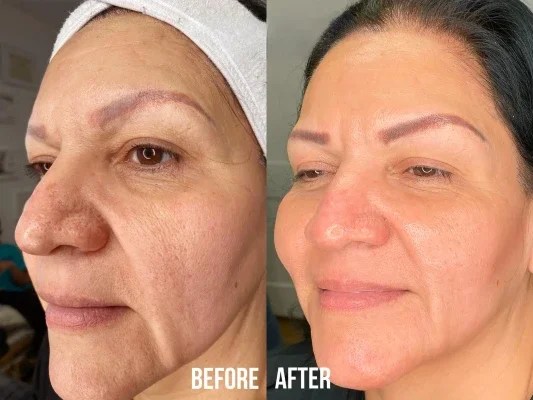
Real transformations
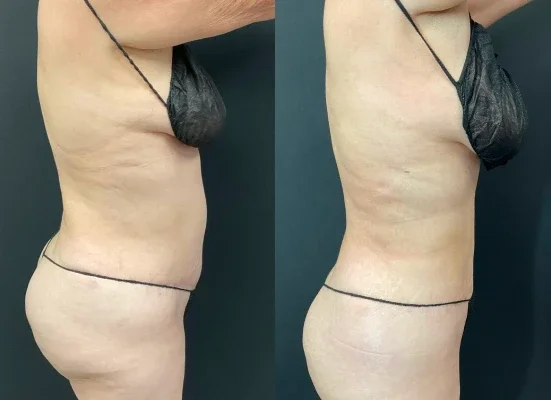
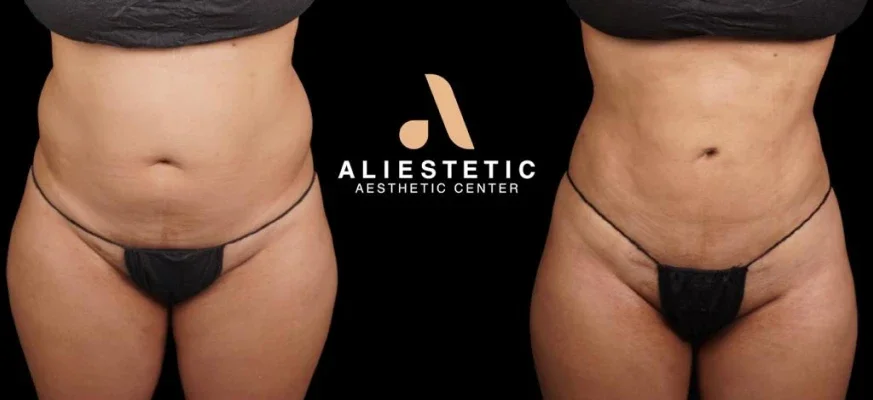
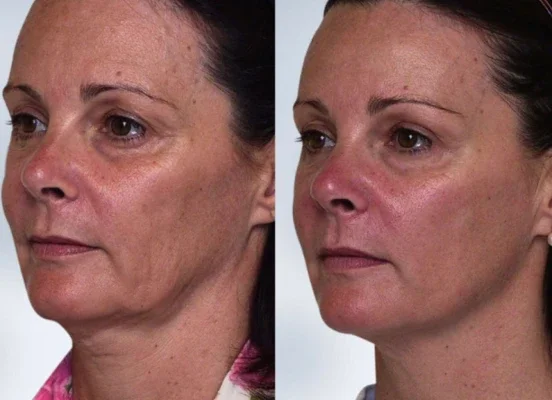
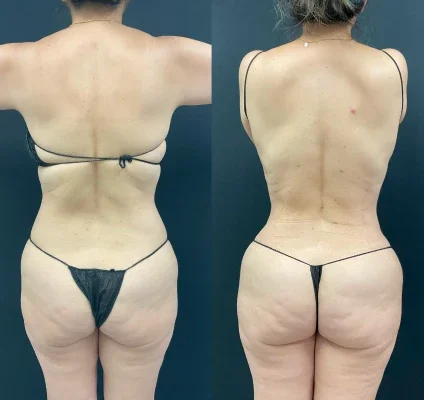
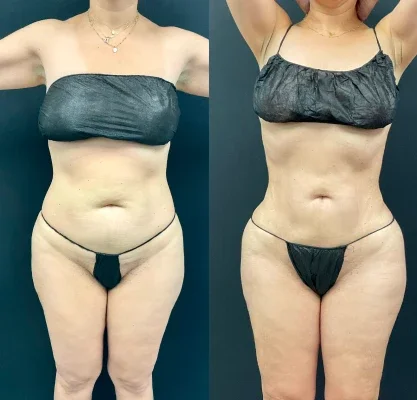
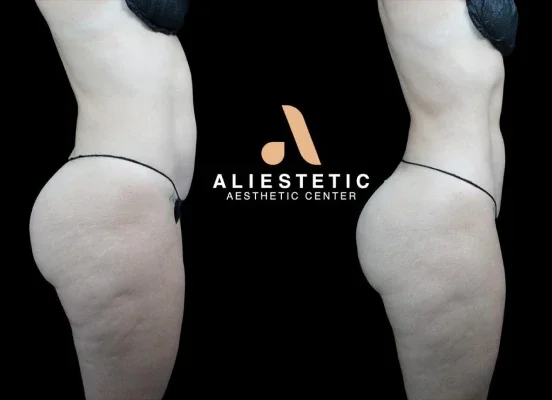
“After my surgery, the drainages helped me so much to reduce inflammation and feel better.” (Elena R., 35 years old).
Results are individual: one patient’s experience does not represent what any given person should expect.
Book your appointment nowQuick facts
- Typical plan
- A series of around ten post surgical sessions, frequent at first and then tapering
- Pressure
- Light and rhythmic. Lymphatic vessels are just under the skin, so deep pressure is wrong, not stronger
- Includes
- Tissue assessment, manual drainage, garment and foam refit, notes on anything to report to your surgeon
- Bring
- Your compression garment, foams or boards, and your surgical discharge instructions
- Also offered for
- Non surgical fluid retention, heavy legs, travel and hormonal swelling
On this page1 / 7What actually happens in the room
Search for lymphatic drainage in Miami and you will get two very different results, sitting side by side as if they were the same thing: a spa treatment sold as detox and relaxation, or post surgical care, sold to people who had liposuction or a tummy tuck two weeks ago and are frightened of what their abdomen looks like. Almost everyone who calls us is in the second group.
Aliestetic is an aesthetic center with locations in Miami and Naples. Lymphatic drainage is performed in house by our own team; surgery is coordinated separately with an allied plastic surgeon.
Our recovery section has the clinical guides: why the swelling happens, when it is safe to begin, what fibrosis and seromas are. This page is about the appointment.
What actually happens in the room
First, we look and we feel
Nothing starts until we have assessed you. We look at the incisions: closed, clean, any redness spreading outward, any drainage or smell. We check the compression garment: a badly fitted one is behind a startling number of recovery problems, too loose does nothing, too tight or bunched at a seam creates a crease that becomes a permanent groove. Then we put our hands on you, feeling for temperature, softness, areas that fluctuate under pressure, and anything that feels like a pocket of fluid. That is when the plan for the session gets decided, not before.
Then, the actual drainage
The lymphatic system has no pump: it moves fluid along fine vessels close to the skin’s surface, depending on movement, breathing and gentle skin stretch. That anatomy dictates the technique. Pressure is light because heavy pressure collapses the vessels we are trying to work with. Someone pressing hard on your abdomen is doing something else entirely. Order matters: we start away from the swollen area, at the neck and functioning lymph nodes, because a drainage route has to be open before you push anything into it, the way emptying a bathtub with the drain closed does not work. And rhythm matters: slow, repetitive, directional strokes that stretch the skin and let it recoil, not kneading.
Finally, the garment goes back on properly
The last part of the session is the part most people undervalue. We put the garment back on with the foams placed correctly, check the seams, and tell you specifically what to watch for at home; if your garment is the wrong size for the stage you are in, we will tell you, because at some point almost everyone needs a smaller one. You will also leave with notes on anything we think your surgeon should know about.
Why this appointment is more than a massage
For the first weeks after surgery, your drainage therapist is the person who sees your body most…
For the first weeks after surgery, your drainage therapist is the person who sees your body most often. Your surgeon may see you at one week and one month, we might see you eight or ten times in between, positioned to notice that one side is filling up faster than the other or that a hard ridge has formed under a garment seam. We are not doctors and we do not diagnose, but we notice early and tell you clearly when a call to your surgeon should happen today. Plenty of the seromas and early infections that get caught in time are caught in a room like this.
How the schedule usually works
Post surgical plans are front loaded, close together when swelling peaks, then spread out as things…
Post surgical plans are front loaded, close together when swelling peaks, then spread out as things settle. A common shape is a series of about ten sessions, starting several times a week and tapering. That’s a starting point, not a law, and we will not sell you a fixed package and keep you in it after your body stops needing it. Consistency in the early weeks matters more than the total: two sessions a week for three weeks does more than ten scattered over three months. If you flew into Miami for surgery, tell us your departure date at the first call so we can build the series around the days you actually have.
Where wood therapy, carboxytherapy and firmer work fit
They come later, and this order is not negotiable. Early recovery is drainage, compression, walking…
They come later, and this order is not negotiable. Early recovery is drainage, compression, walking and rest, and that is enough. Firm mechanical work, including wooden tools, belongs to a later phase once tissue has stabilized and you have been cleared: applying that pressure to recently operated tissue increases inflammation and bruising, the opposite of the goal, and we hold to that limit even when a client asks for it. Carboxytherapy is a middle stage tool, useful on defined areas of fibrosis once incisions have healed, and works best combined with drainage rather than instead of it.
Non surgical sessions
Not everybody who books is recovering from an operation. Heavy legs, puffiness in the face and…
Not everybody who books is recovering from an operation. Heavy legs, puffiness in the face and hands, travel swelling and hormonal fluid retention are common reasons people come regularly, with the technique identical and deeply relaxing. The difference is the plan: non surgical drainage is usually occasional or monthly rather than a compressed series, and there is no garment to manage.
Skin tone
There is no device here, so no light or heat and therefore no risk related to melanin, worth…
There is no device here, so no light or heat and therefore no risk related to melanin, worth stating plainly since it is not true of most body treatments marketed in Miami. What does matter in Fitzpatrick IV to VI skin is bruising: aggressive massage causes it, and in richly pigmented skin the resulting hyperpigmentation can outlast the swelling by months. Scars deserve the same attention, since darker skin is more prone to raised, thickened and hyperpigmented scars.
Booking your first session
Call or use the booking form and tell us three things: what procedure you had, what date, and what…
Call or use the booking form and tell us three things: what procedure you had, what date, and what your surgeon told you about starting drainage. Bring your garment, foams and discharge instructions to the first visit. If we think it is too early, we will tell you and hold your spot.
Frequently asked questions
How soon after surgery should I start?
Your surgeon sets the date, and the answer varies by procedure and by surgeon. Many surgeons in South Florida start patients within the first several days once the immediate risk window has passed, and some prefer to wait longer. We follow the instruction you were given rather than a house rule. Bring the discharge paperwork or the name and number of the surgeon's office to your first appointment. If you had surgery abroad and cannot reach the surgeon, tell us that up front and we will work more conservatively.
How many sessions do I need?
Most post surgical plans in Miami run as a series of roughly ten sessions, frequent at first and then tapering, but the honest answer is that it depends on the procedure, how much swelling you have, your body and how consistent you are with your compression garment. We will give you a proposed number after we see and feel the tissue at the first visit, and we will adjust it as you progress instead of holding you to a package that no longer matches your body.
What happens if I do not get lymphatic drainage after surgery?
People heal without it, so nobody should tell you it is mandatory in a medical sense. What it does is help the swelling resolve more comfortably and more evenly, and the second part is what matters aesthetically. Fluid that sits and organizes itself unevenly is part of how fibrosis develops. Drainage sessions are also the most reliable way to have trained hands on your body every few days during the period when problems appear, which is how seromas and infections tend to get caught early.
How do I know if I have fibrosis?
The short version is that swelling is soft, moves when you press it and changes through the day, while fibrosis is firm, stays put and often forms ridges, lumps or a hard patch you can trace with a finger. Fibrosis usually shows up several weeks in, not in the first days. It is not something to diagnose from a search result. Come in, let us feel it, and we will tell you what we are feeling and what plan it calls for. Our recovery guide on seroma and fibrosis covers the full picture.
Should the session hurt?
No. Real manual lymphatic drainage uses very light pressure because the vessels being targeted sit just beneath the skin. If someone is digging into a recently operated abdomen hard enough to make you cry, that is not lymphatic drainage, and in the first weeks it can make swelling and bruising worse rather than better. Discomfort near incisions is normal. Pain is a signal to speak up, and we would rather you tell us in the moment.
What should I bring and how should I prepare?
Bring your compression garment and any foams or boards you were given, plus your surgical discharge instructions if this is your first visit. Wear or bring loose clothing. Hydrate before you come and expect to urinate more than usual afterward, which is normal. Avoid a heavy meal right before. If you have a fever, worsening redness, a bad smell from an incision or a sudden increase in swelling on one side, call us before coming in, because those are reasons to see your surgeon first.
Can you combine drainage with other treatments in the same visit?
Sometimes, and the order matters. In early recovery the session is drainage only. Later in the process, once you are cleared and the tissue is stable, we may combine drainage with carboxytherapy on specific fibrotic zones, or introduce firmer manual work. We do not stack aggressive mechanical techniques onto fresh post surgical tissue, and we will explain why if you ask for it before it is appropriate.
Do you offer lymphatic drainage for reasons other than surgery?
Yes. General fluid retention, heaviness in the legs, puffiness, travel swelling and premenstrual water retention are common non surgical reasons people book, and the technique is the same although the plan is usually shorter and less frequent. It is genuinely relaxing. We simply want to be clear that most of our volume is post surgical, because that is what shaped how we run these sessions.
Is lymphatic drainage safe for brown and dark skin?
The technique itself involves no light, no heat and no device, so there is no melanin related risk at all, which is not something that can be said about most body treatments. The relevant point for Fitzpatrick IV to VI skin is that overly aggressive massage causes bruising, and bruising in richly pigmented skin can leave post inflammatory hyperpigmentation that takes months to fade. Correct light pressure protects your skin tone as well as your results. Scar care matters here too, since darker skin is more prone to raised and hyperpigmented scars.
When should I not have a session at all?
Do not come in and do call your surgeon if you have a fever, chills, increasing redness or warmth around an incision, drainage with an odor, calf pain or swelling in one leg, chest pain or shortness of breath. We also postpone if there is an unevaluated fluid collection, an open or infected wound, or active skin infection in the area. If you have congestive heart failure, kidney failure, an active clot or a current cancer diagnosis, we need medical clearance before we treat you.
Still not sure you are a candidate?
That is what the first consultation is for. It is free, there is no obligation, and you can come to Miami or start by video if you are travelling in.