Updated
How is a chemical peel chosen for brown or sensitive skin?
A chemical peel applies acids to the skin to remove a controlled layer of cells and prompt the skin underneath to renew. Depth is what defines the treatment. Superficial peels stay within the epidermis, medium depth peels reach into the papillary dermis, and deep peels reach the mid reticular dermis. At Aliestetic in Miami and Naples we work with PCA SKIN formulas, and the choice depends on your skin type as much as your concern. Sensi Peel, built around low concentration trichloroacetic acid with lactic acid and kojic acid, is formulated for sensitive and ethnic skin. That matters because in Fitzpatrick IV to VI, taking a peel too deep or skipping preparation can trigger post inflammatory hyperpigmentation and leave the skin darker than before. The safe approach in darker skin is priming first, starting superficial, and increasing slowly across a series. Results vary from person to person.
Visible and Progressive Benefits
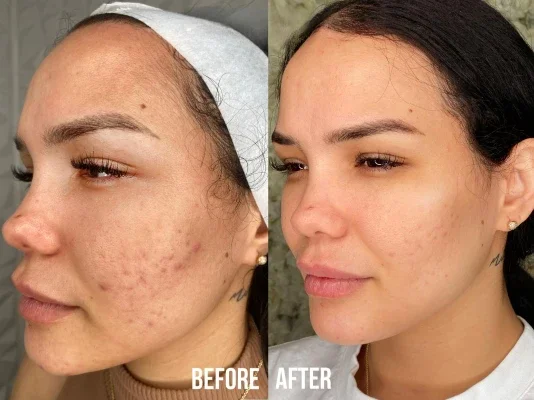
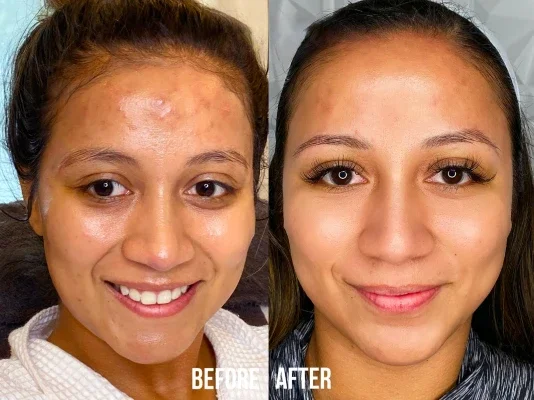
- Reduces spots, melasma, and irregular pigmentation.
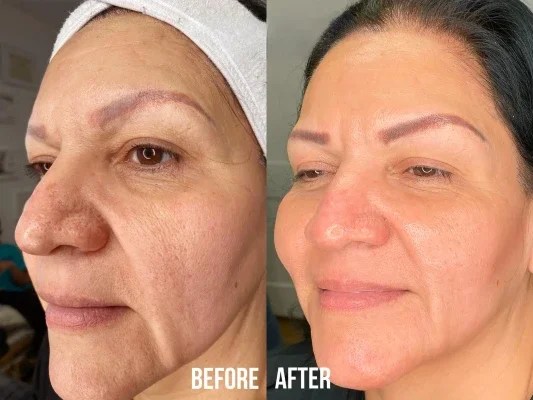
- Improves texture, tone, and luminosity.
- Diminishes fine lines and acne breakouts.
- Stimulates cell renewal and collagen.
- Personalized peels according to your skin type.
How does the treatment work?
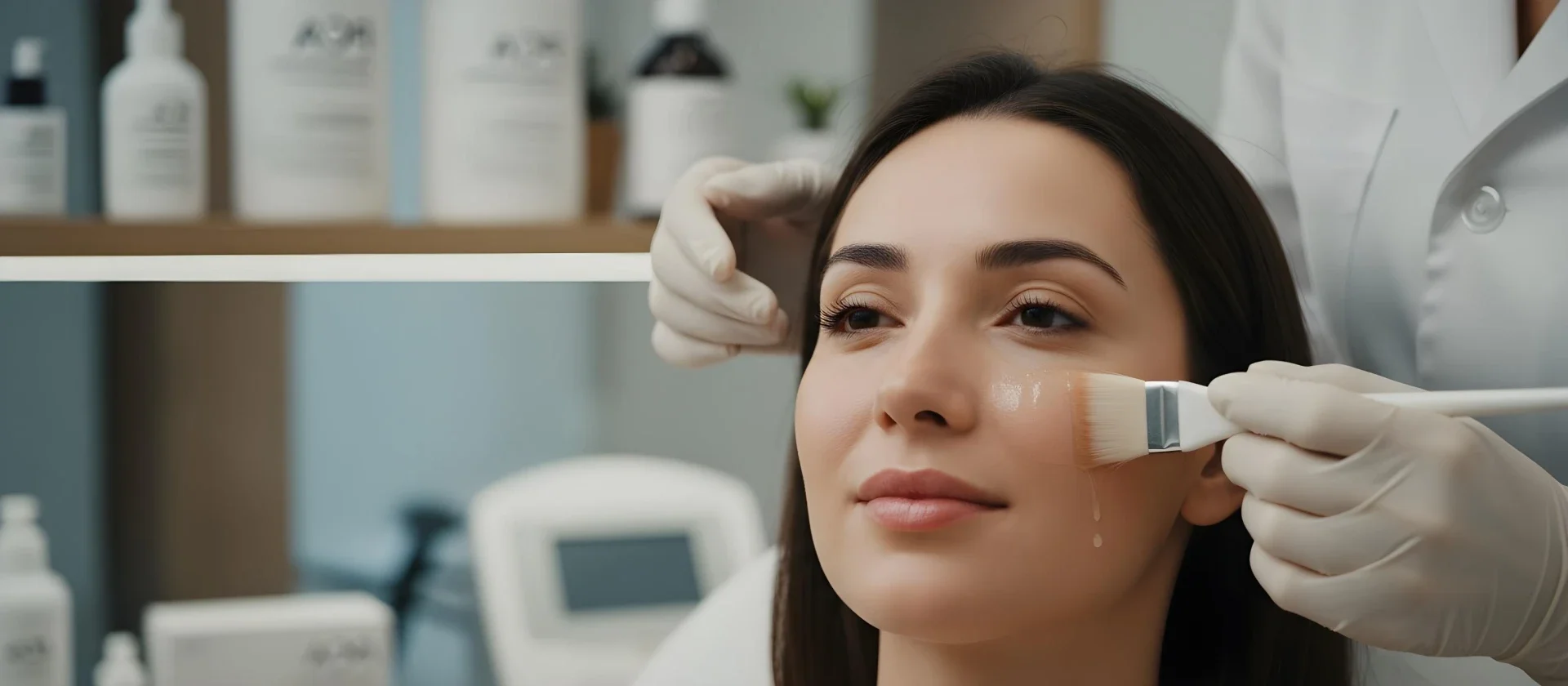
- A safe chemical solution is applied to the skin.
- It acts by exfoliating the surface layers.
- Promotes the regeneration of more uniform and healthy skin.
- May cause mild peeling depending on the type of peel applied.
- Duration: 30–45 minutes.
- Results: progressive, visible from the first session. 3–6 sessions are recommended depending on the goal.
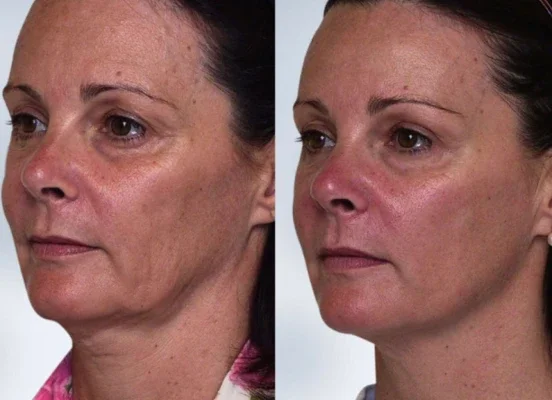
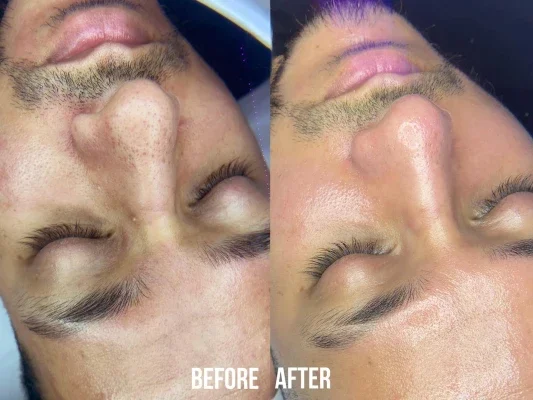
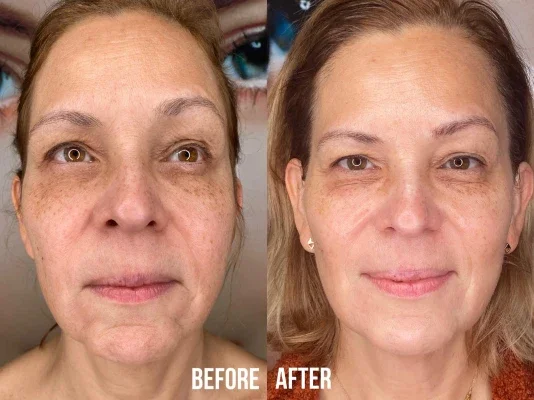
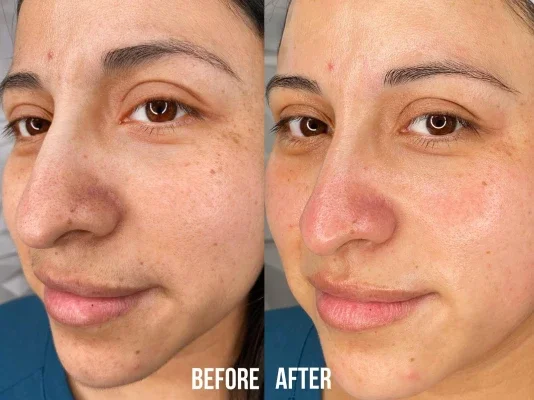
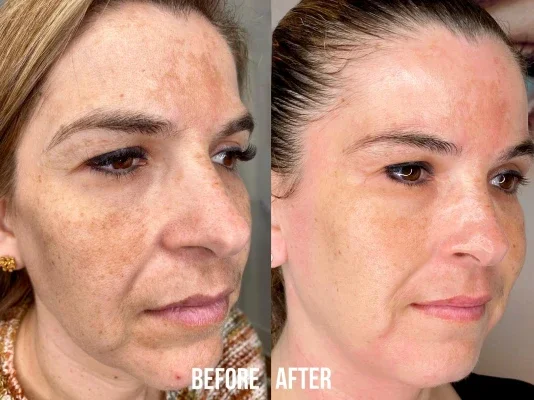
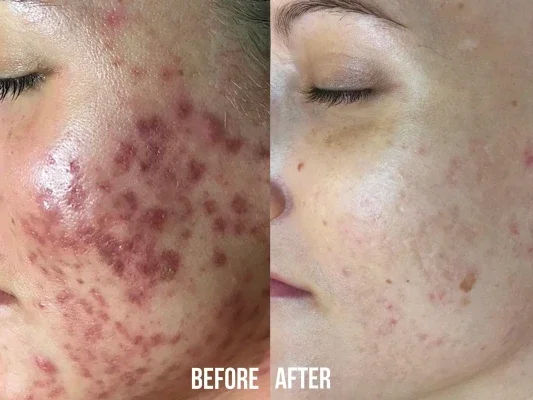
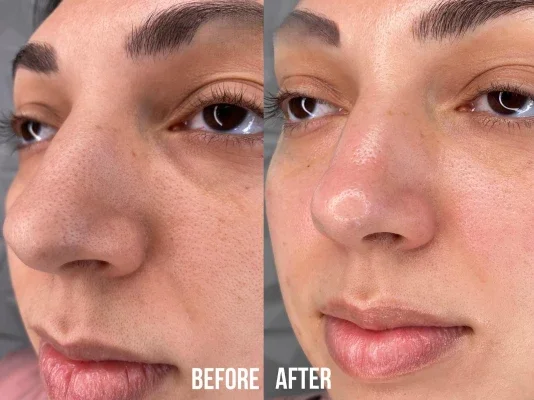
Real transformations
“My sunspots visibly decreased and my skin looks much clearer.” (Andrea P., 39 years old).
Results are individual: one patient’s experience does not represent what any given person should expect.
Book your appointment nowQuick facts
- Sessions
- A series spaced a few weeks apart, then periodic maintenance
- Session time
- Roughly 30 to 45 minutes including cleansing and post care
- Downtime
- Tightness and light flaking starting around day two or three, lasting a few days
- Preparation
- Two to four weeks of priming for darker skin, retinoids paused before the peel
- Best for
- Texture, congested pores, acne, uneven tone, dark marks left by acne, fine lines
- Not for you if
- Pregnant, on or recently off isotretinoin, active cold sore, aspirin allergy with salicylic formulas, recent tan
On this page1 / 9What is a chemical peel?
Almost everyone arrives with the same two questions: how much is this going to peel, and is it going to leave me with dark marks. Both are decided before any product touches your face, by the formula, the depth and how the skin was prepared. Get that wrong on brown skin and a peel meant to even out your tone does the opposite.
What is a chemical peel?
Controlled exfoliation. A solution loosens the bonds holding dead and damaged cells together, a…
Controlled exfoliation. A solution loosens the bonds holding dead and damaged cells together, a defined layer is shed, and the skin underneath renews faster and lays down new collagen over the following weeks. The acids are mostly familiar ones: lactic acid from the alpha hydroxy family, salicylic acid from the beta hydroxy family, trichloroacetic acid, kojic acid, azelaic acid, vitamin C. What separates a gentle result from an aggressive one is concentration, pH, contact time, how many layers go on and what the skin was doing beforehand.
What does peel depth mean?
This is the vocabulary the risk lives in.
This is the vocabulary the risk lives in.
Superficial peels
Injury limited to the epidermis. This is where most professional facial peels sit, including the PCA SKIN formulas we use. Short recovery, light flaking, repeatable as a series.
Medium depth peels
Into or through the papillary dermis. More correction, more downtime, more risk, and far more selective about who is a candidate.
Deep peels
The mid reticular dermis, using phenol or very high concentration trichloroacetic acid. Not recommended for darker skin: the risk of permanent pigment change is too high.
One detail tells you a lot about how a peel is being run. Alpha hydroxy acids such as lactic and glycolic keep working until they are neutralized, usually with water, cool compresses or a bicarbonate spray. Salicylic acid is self neutralizing, and trichloroacetic acid and Jessner based solutions are self limiting. Knowing which is which is the difference between a controlled treatment and an accident.
The PCA SKIN formulas and what each is for
Sensi Peel
Formulated for sensitive and ethnic skin: low concentration trichloroacetic acid with lactic acid, plus kojic acid, azelaic acid, arbutin and L ascorbic acid. The gentlest option and the usual starting point for Fitzpatrick IV to VI, for reactive skin, and for anyone new to peels.
Ultra Peel I
Higher concentrations of lactic and trichloroacetic acid, with kojic acid, azelaic acid and vitamin C. Aimed at drier, maturing skin that needs more than the entry level formula.
PCA Peel on an enhanced Jessner base
Adds salicylic acid, in versions with and without hydroquinone and resorcinol. The version with both is the most active of the group, intended for oilier, thicker skin and for active or cystic acne. The salicylic acid is why aspirin allergy is a hard stop here.
Why the Sensi Peel matters if you have brown skin
Melanin rich skin is not more fragile, but it responds differently to inflammation: melanocytes…
Melanin rich skin is not more fragile, but it responds differently to inflammation: melanocytes ramp up pigment production, and in Fitzpatrick IV to VI that response is stronger and lasts longer. The dark mark outlives the original problem, and it is often the reason someone came in at all. A poorly chosen peel makes exactly that worse, so care in darker skin is not a milder version of the same plan, it is a different plan:
Start superficial and stay there longer
Lactic and mandelic acid penetrate more slowly and are less likely to trigger the inflammatory cascade that produces pigment. Phenol based deep peels are not appropriate here at all.
Prime the skin first
Two to four weeks of retinoid, pigment suppressing agents and daily sunscreen make the peel act more evenly. The retinoid is then paused several days before, because leaving it on drives the solution deeper than planned.
Increase slowly, across sessions
The second peel is informed by how you responded to the first. A careful series outperforms one heroic treatment almost every time.
Test an area first when there is any doubt
Particularly with a history of keloids, hypertrophic scarring or heavy dark marks from acne.
A well trained provider using a modest peel on prepared skin gets a better outcome than an aggressive peel applied by someone who never asked about your dark marks.
What a chemical peel is good for
Uneven texture and dullness, congested pores, active acne when a salicylic formula fits, the dark…
Uneven texture and dullness, congested pores, active acne when a salicylic formula fits, the dark marks acne leaves behind, early fine lines and sun related uneven tone.
Melasma, the patchy pigmentation Spanish speaking patients call paño, is the case worth being honest about. Peels combined with topical therapy can improve resistant cases, but no peel removes melasma permanently: it has a hormonal driver and a tendency to relapse.
A peel does not tighten loose skin, fill volume or resurface deep atrophic acne scars. Microneedling is the usual partner for scar texture, sequenced rather than combined in one visit.
What to expect on the day and afterwards
The corners of the nose, eyes and lips are protected, and the solution goes on in layers while your…
The corners of the nose, eyes and lips are protected, and the solution goes on in layers while your response is watched. Most people feel warmth or a stinging that builds and then fades. Some barely flake at all afterwards, and that is not a failed peel: the cell turnover happens whether or not you see skin coming off.
The aftercare rules are short and not negotiable:
Do not pick, pull or scrub the flaking skin
Forcing it off before it is ready is a direct route to hyperpigmentation, especially in brown skin.
No exfoliants for about two weeks
No scrubs, no acid toners, no cleansing brushes. Pause retinol and other actives until the flaking resolves and your provider clears you to restart.
No waxing, sauna or steam room
No depilatory creams and no hot yoga either, until the skin has fully recovered.
Sun protection every single day
Avoid direct sun while peeling and wear broad spectrum SPF, reapplied. In South Florida this step decides whether the result holds, and it is why we ask about beach trips before scheduling.
About hydroquinone
Hydroquinone suppresses pigment production and is still first line for melasma in the dermatology…
Hydroquinone suppresses pigment production and is still first line for melasma in the dermatology literature, often in triple combination creams. It works, and with prolonged continuous use it also causes exogenous ochronosis, a blue black or grayish discoloration that is difficult to treat and can be permanent. That is why it belongs in defined cycles with breaks, and why United States regulation moved it under medical supervision: no over the counter hydroquinone is legally marketed here today, and the creams that circulate informally in South Florida from other countries are exactly what you should not use unsupervised. In your plan it needs a start date, an end date and someone monitoring it.
Who should not have a peel
Quick answer
When is a chemical peel not an option? Pregnancy and breastfeeding depending on the active, isotretinoin within the last six months, an active cold sore or any infection or open skin in the area, an allergy to any ingredient in the formula, and a recent tan. Salicylic acid peels are avoided with aspirin allergy because salicylates are in the same family, and hydroquinone or resorcinol are avoided if you react to either. A history of keloids or hypertrophic scarring changes the plan too.
Allergies matter more than people expect. Lactic acid is derived from milk and other formulas carry botanical and fruit derived ingredients, so disclose all of them. Tell us if you get cold sores, since antiviral prophylaxis is standard before peeling, and bring your full list of medications, prescription topicals and supplements.
How we decide at Aliestetic
The consultation establishes your Fitzpatrick skin type, your history with pigment and scarring…
The consultation establishes your Fitzpatrick skin type, your history with pigment and scarring, what you use at home and what you want fixed. From there we choose the formula, the depth and whether you need priming first. If your skin needs a few weeks of preparation, we will say so, even though nobody enjoys being told to wait. In darker skin that wait is what protects the result.
Frequently asked questions
What does a chemical peel actually do?
It applies acids that loosen the bonds between skin cells so a controlled layer is shed, which prompts the skin underneath to renew faster and lays down new collagen over time. Depending on the acid and the concentration, the same idea can be used for dull texture, congested pores, active acne, uneven pigment or fine lines. Depth is the variable that decides both how much it does and how much risk it carries.
Is a chemical peel safe on brown or dark skin?
Yes, when it is the right formula at the right depth on prepared skin. Superficial peels are the standard approach in Fitzpatrick IV to VI, and PCA SKIN specifically formulated Sensi Peel for sensitive and ethnic skin using low concentration trichloroacetic acid with lactic acid and kojic acid. What is not safe in darker skin is jumping straight to an aggressive medium depth peel without priming, because post inflammatory hyperpigmentation is the predictable result.
What is post inflammatory hyperpigmentation?
It is the dark mark left behind after the skin is inflamed or injured, whether by a pimple, a burn, a bad wax or an overly aggressive treatment. Melanocytes respond to inflammation by producing more pigment. It is the single most common complaint we hear from patients with brown skin in South Florida, and it is exactly why peel selection and depth are not cosmetic details.
What is priming, and do I need it?
Priming is preparing the skin for two to four weeks before the peel, typically with a retinoid, pigment suppressing agents and daily sunscreen, so the skin exfoliates more evenly and the risk of a dark mark drops. In darker skin types it is not optional. One detail people miss: retinoids are usually stopped several days before the peel itself, because leaving them on can make the peel go deeper than intended.
Which PCA SKIN peel would I get?
It depends on your skin, not on a menu preference. Sensi Peel is the sensitive and ethnic skin option. Ultra Peel I uses higher concentrations of lactic acid and trichloroacetic acid and is aimed at drier, maturing skin. The PCA Peel formulas built on an enhanced Jessner base, with or without hydroquinone and resorcinol, add salicylic acid and are aimed at oilier, thicker, acne prone skin. The decision is made after we look at your skin in person.
How much will I peel?
Less than the internet suggests. With superficial peels, light flaking usually begins around two to three days after treatment and lasts a few days, often only in localized areas. Some people barely visibly peel at all and still get the benefit, because the work happens at the cellular level. Peeling harder is not the same as working better.
How many sessions and how often?
Superficial peels are done as a series rather than a single event, usually spaced a few weeks apart so the skin fully recovers between sessions, then maintained periodically. The exact number is set after an in person assessment and adjusted based on how your skin responds. Anyone quoting a number before seeing your skin is guessing, and results vary from person to person.
Can a peel treat melasma?
It can be part of the plan, but not the whole plan and not as a first aggressive move. Melasma is a chronic condition with hormonal, vascular and inflammatory components, and it can rebound after treatments that inflame the skin. Superficial peels used as an adjunct alongside strict sun protection, including visible light protection, and physician supervised topical therapy is a more realistic approach than expecting a peel to erase it.
What is hydroquinone and why is it limited?
It is a topical agent that suppresses pigment production, and the dermatology literature still treats hydroquinone based regimens as first line for melasma. It is limited because prolonged continuous use raises the risk of exogenous ochronosis, a blue black discoloration that is difficult to treat. Standard practice is to use it in defined cycles with breaks, under supervision. In the United States it is a prescription decision, not an over the counter one.
Who should not have a chemical peel?
Pregnancy and breastfeeding depending on the active, isotretinoin within the last six months, an active cold sore or any infection or open skin in the area, an allergy to any ingredient in the formula, and a recent tan. Salicylic acid peels are avoided with aspirin allergy because salicylates are in the same family, and hydroquinone or resorcinol are avoided if you react to either. A history of keloids or hypertrophic scarring changes the plan too.
Still not sure you are a candidate?
That is what the first consultation is for. It is free, there is no obligation, and you can come to Miami or start by video if you are travelling in.