Updated

Surgical procedures are performed by an affiliated board-certified plastic surgeon. Aliestetic coordinates your consultation, pre-op and recovery.
What is the difference between upper and lower blepharoplasty?
They are two separate operations that happen to share a name. Upper blepharoplasty removes excess eyelid skin, and sometimes a small amount of fat, when that skin hoods the lid crease or hangs into the field of vision. It is the more straightforward of the two, with visible improvement usually within two weeks. Lower blepharoplasty addresses under eye bags caused by orbital fat pushing forward through a weakening septum, and modern practice increasingly repositions that fat into the tear trough rather than simply removing it, because over resection creates a hollow, older looking eye that is difficult to reverse. Many lower lids are approached transconjunctivally, from inside the lid, leaving no external scar. At Aliestetic in Miami we coordinate the consultation and pre operative workup, our affiliated plastic surgeon performs the surgery, and the facial recovery care and follow up visits happen at our Miami facility.
Benefits of Real and Lasting Results
Removal of Excesses
Effectively eliminates bags and excess skin on the eyelids.
Facial Rejuvenation
Refreshes the general appearance of the face.
Functional Improvement
Can improve vision in cases where there is a significant drooping of the upper eyelid.
Total Discretion
Scars are practically imperceptible.
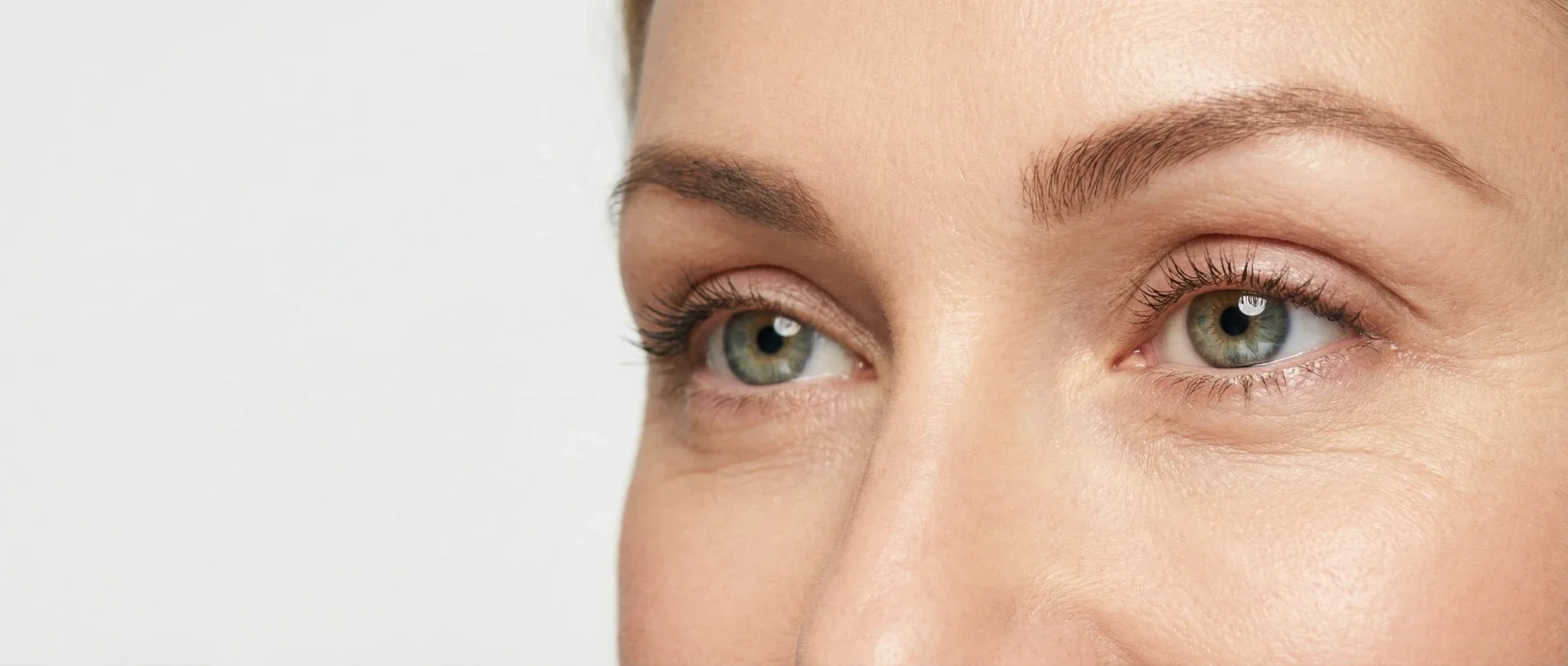
How is the Blepharoplasty performed?
- It begins with a facial evaluation and a fully personalized surgical plan.
- The technique is specifically adapted according to the degree of sagging and the type of eyelid of the patient.
- The surgery is performed as an outpatient procedure under local anesthesia or sedation.
- Includes rigorous professional follow-up under Aliestetic's exclusive protocol.
Duration per session
From 1 to 2 hours.
Results are visible from the 2nd week, reaching the final result between 1 and 3 months after the intervention.
Real transformations
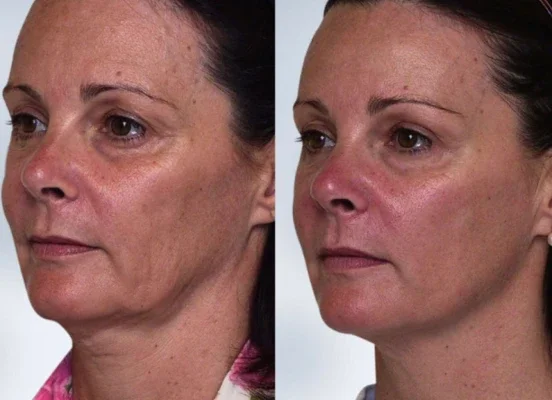
“After the blepharoplasty, I look more awake, natural, and confident. The difference was incredible.” (Clara H., 44 years old).
Results are individual: one patient’s experience does not represent what any given person should expect.
Book your appointment nowQuick facts
- Anesthesia
- Local with sedation in many cases, general anesthesia when combined with other work
- Procedure time
- About one hour for upper lids, one to two hours for lower lids
- Sutures
- Upper lid sutures usually removed around day five to seven
- Back to work
- Five to seven days for upper lids, seven to fourteen days for lower lids
- First results
- Visible once bruising clears, around two weeks
- Final result
- Two to three months as residual swelling and contour settle
- Who operates
- An affiliated plastic surgeon. We give you the name, the Florida license number and the board certification at the consultation, before anything is scheduled
- Where recovery happens
- Facial recovery care and follow up at the Aliestetic facility in Miami
On this page1 / 10Upper eyelid: a skin problem, usually
The sentence that starts most of these consultations is not about eyelids at all. It is “people keep asking me if I’m tired.” Sometimes it is more concrete: eyeshadow disappears into a fold, or the top of the visual field has quietly narrowed enough that driving at night feels different.
The American Society of Plastic Surgeons counted 120,755 eyelid surgeries in 2024, with one of the highest patient satisfaction records in aesthetic surgery, a Worth It rating in the low nineties on RealSelf.
There is a catch buried in that popularity: upper and lower blepharoplasty are two different operations sharing one word, with different anatomy, technique and complication lists. The people who end up unhappy usually got the operation that did not address their actual problem.
Aliestetic is an aesthetic center in Miami that coordinates the consultation and pre operative workup; our affiliated plastic surgeon performs the surgery, and your facial recovery care happens with us.
Upper eyelid: a skin problem, usually
With age the upper eyelid skin stretches and the brow descends slightly; the skin folds over the…
With age the upper eyelid skin stretches and the brow descends slightly; the skin folds over the natural crease, and in advanced cases hangs past the lash line into the field of vision. The medical term for the excess skin is dermatochalasis.
Upper blepharoplasty removes a measured ellipse of that skin, sometimes with a conservative amount of fat, and closes within the natural crease so the scar hides in the fold. It is the more predictable of the two operations, and the improvement shows up early. Two things it is not: not a brow lift (if your brow has dropped, removing lid skin can pull it down further) and not ptosis repair, which needs a different operation.
Ptosis: the word that changes the surgery
Ptosis is a drooping lid margin from a stretched or weak levator muscle: a muscle problem, not a…
Ptosis is a drooping lid margin from a stretched or weak levator muscle: a muscle problem, not a skin problem, needing an operation that shortens or reattaches the levator. Skin removal on a ptotic lid leaves the eye still looking half closed. Get it measured before anything is scheduled.
Lower eyelid: a fat and support problem
Under eye bags are not usually excess skin. They are orbital fat pushing forward through a…
Under eye bags are not usually excess skin. They are orbital fat pushing forward through a weakening orbital septum, with a hollow just below where the tear trough ligament tethers the skin down. Bulge and hollow together create the shadow that reads as exhaustion in photographs.
Older practice removed the bulging fat; modern practice frequently repositions it, releasing the fat and draping it over the orbital rim to fill the tear trough. Removing fat alone flattens the bag but deepens the hollow.
Transconjunctival means the fat is reached through the inside surface of the lid: no external scar, the orbicularis muscle left intact, and lower rates of lid retraction than an external skin incision. When loose skin also needs treatment, a conservative skin pinch or a resurfacing plan can be added.
Canthopexy tightens and supports the outer corner. It is indicated when the lower lid is lax, the canthal tilt is negative, or there is any scleral show, because operating on an unsupported lid is how corners round out and lids retract.
What eyelid surgery does not fix
Dark circles that come from pigment
Melanin deposition under the eye, common in Hispanic and South Asian patients, is a skin issue that surgery does not touch.
Thin skin showing vessels
The blue or purple cast does not respond to fat removal.
Crow’s feet
Dynamic muscle lines: different problem, different treatment.
Heavy brows and midface descent
The single most common misdiagnosis here; if the cheek has fallen, eyelid surgery alone treats a symptom sitting on top of a different structural change.
Am I a candidate?
Reasonable candidates are in good general health, have realistic expectations, and have a complaint…
Reasonable candidates are in good general health, have realistic expectations, and have a complaint that maps onto what the surgery actually corrects. Where the answer gets more careful: dry eye disease, previous LASIK, thyroid eye disease, uncontrolled glaucoma, significant lower lid laxity, bleeding disorders, uncontrolled hypertension and active smoking. None of these is automatically disqualifying, but each changes the plan, and dry eye should be evaluated before, not discovered after.
How the process works
You consult with your surgeon, who measures lid margin position, levator function, brow position…
You consult with your surgeon, who measures lid margin position, levator function, brow position, lower lid laxity, tear film status and fat pocket distribution. That exam decides upper, lower, both, ptosis repair, canthopexy, or none of the above. Aliestetic coordinates the pre operative workup, our affiliated surgeon performs the surgery as an outpatient with local anesthesia and sedation or general when combined with other procedures, and then you come back to us for facial recovery care.
Recovery, day by day
- 01
Day of surgery
You go home the same day with someone else driving: cold compresses, head elevated, ointment on the incisions that makes everything blurry.
- 02
Days 1 to 3
Swelling peaks. Bruising darkens and spreads downward with gravity, so lower lid bruising can travel toward the cheek. Expect grittiness and dryness, and use the lubricating drops you were given.
- 03
Days 4 to 7
Bruising turns yellow, and upper lid sutures typically come out around day five to seven.
- 04
Week 2
Most people are back at work and covering residual bruising with makeup once the surgeon clears it. Strenuous exercise and bending still restricted.
- 05
Weeks 3 to 6
Incision lines go through a pink phase before fading; real sunglasses and sunscreen at the lid margin matter, because fresh scars pigment easily.
- 06
Months 2 to 3
The lower lid contour finishes refining as residual edema resolves. Morning puffiness that lingers for weeks is normal.
Real risks
Every surgery carries risk: dry eye, often temporary but sometimes prolonged; lower lid…
Every surgery carries risk: dry eye, often temporary but sometimes prolonged; lower lid malposition, from retraction to ectropion in significant cases; over resection of skin causing incomplete closure; over resection of fat causing a hollow look; asymmetry; visible scarring; bleeding, hematoma, infection; temporary blurred or double vision; persistent swelling. Rarely, retrobulbar hemorrhage, a surgical emergency that threatens vision: severe pain with sudden vision change is an immediate call, not a next morning question.
Revision is possible in either direction, and correcting an over resected lower lid is harder than doing the original operation conservatively.
What to ask before choosing a surgeon
Verify the license through the Florida Department of Health’s free public lookup, and confirm board…
Verify the license through the Florida Department of Health’s free public lookup, and confirm board certification with the American Board of Plastic Surgery; board certified plastic surgeon and the self applied label cosmetic surgeon are not the same credential. Then ask: did you measure my levator function and lid laxity, and what did you find? Are you removing fat or repositioning it? Do I need a canthopexy, and if not, why not? Can I see twelve week photos of patients with lid laxity like mine?
Where Aliestetic fits
Aliestetic coordinates, our affiliated surgeon operates, and the recovery happens with us in Miami…
Aliestetic coordinates, our affiliated surgeon operates, and the recovery happens with us in Miami. For eyelids that recovery is deliberately facial in scope: swelling and bruising monitoring, incision checks, lubrication and sun protection coaching, and a scheduled visit cadence through the weeks when the lower lid contour is still moving.
The value of that structure is boring and real: you look at your own face every morning and see nothing change, but someone examining the same eyelids on a schedule notices asymmetry or an early sign of dryness while there is still time to act on it.
Frequently asked questions
How many days of recovery will I need?
Upper eyelids: sutures typically come out around day five to seven, and most people are presentable in seven to ten days with a little concealer. Lower eyelids: expect more bruising and one to two weeks before you want to be seen, with contour continuing to refine over two to three months. Swelling is worse in the mornings for several weeks, which surprises people who thought they were done.
When can I go back to work?
Desk work is commonly five to seven days after upper eyelid surgery and seven to fourteen days after lower eyelid surgery, mostly driven by bruising rather than by pain or function. If your job is public facing, add a few days. Heavy lifting, bending at the waist and strenuous exercise are usually restricted for about two to three weeks because they raise pressure around the eye.
Does eyelid surgery hurt?
Less than almost anyone expects. Most patients describe tightness, a gritty feeling and burning dryness rather than pain, and many manage with over the counter medication after the first day. The genuinely annoying parts are the swelling that peaks around day two or three, blurry vision from ointment, and the light sensitivity that makes sunglasses a requirement rather than an accessory.
Is blepharoplasty worth it?
Patient reported satisfaction for eyelid surgery is consistently high, and RealSelf publishes a Worth It rating in the low nineties for the procedure. That number reflects people whose complaint was heavy upper lids or under eye bags. It does not reflect people who wanted their dark circles gone, their crow's feet erased or their brow lifted, because blepharoplasty does not do those things, and expecting it to is the most common route to disappointment.
Will insurance cover my upper eyelid surgery?
It may, when the excess skin is obstructing vision rather than simply looking heavy. Carriers generally require documented visual field testing performed with and without the eyelid taped, typically showing a superior field of thirty degrees or less untaped with a meaningful improvement once taped, plus photographs and a functional complaint. Criteria vary by plan, the cosmetic portion is never covered, and no one can promise you an approval in advance.
Is ptosis the same as excess eyelid skin?
No, and confusing them is the most common technical mistake patients make. Excess skin, dermatochalasis, is a skin problem and blepharoplasty removes it. Ptosis is a drooping lid margin caused by a stretched or weak levator muscle, and it needs a different operation that tightens that muscle. If you have ptosis and only the skin is removed, the eye still looks tired and the result disappoints. Have someone measure the lid margin position, not just the skin.
Will blepharoplasty fix my dark circles?
Usually not. Dark circles come from several sources: pigmentation in the skin, thin skin showing the underlying muscle and vessels, and shadow cast by the tear trough hollow. Surgery can improve the shadow component by repositioning fat to fill the hollow. It does nothing for pigment or for skin thinness, which are treated topically or with other modalities. Ask specifically which component of your dark circle is structural.
What is a transconjunctival approach?
It means the lower eyelid fat is reached through an incision on the inside surface of the lid, so there is no external scar and the orbicularis muscle is left undisturbed. Compared with an external skin incision it is associated with less risk of lid retraction and malposition. If loose skin also needs treatment, it can be combined with a conservative skin pinch or a skin resurfacing plan.
What is canthopexy and do I need one?
Canthopexy tightens and supports the outer corner of the lower eyelid. It is added when the lid is lax, when there is a negative canthal tilt or when there is any existing scleral show, because operating on a loose lower lid without support invites retraction, rounding of the corner or ectropion. It is not an upsell in those cases, it is the thing that keeps the lid where it belongs.
Can too much fat be removed?
Yes, and it is the classic lower eyelid error. Aggressively removing orbital fat leaves a hollow, skeletonized lower lid that reads as older than the bags did, and correcting it later requires fat grafting or filler with imperfect results. This is why current practice favors preserving and repositioning fat rather than excising it. Ask your surgeon directly how much fat they plan to remove versus reposition.
How do I read a before and after photo honestly?
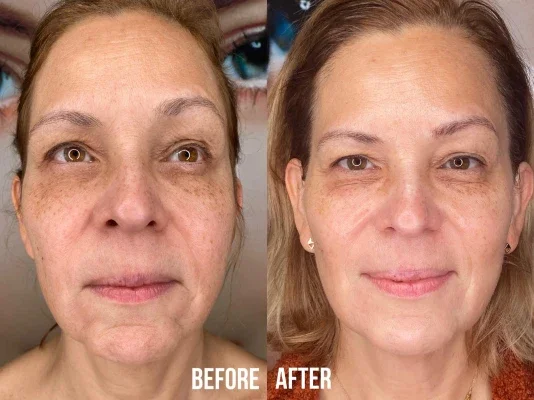
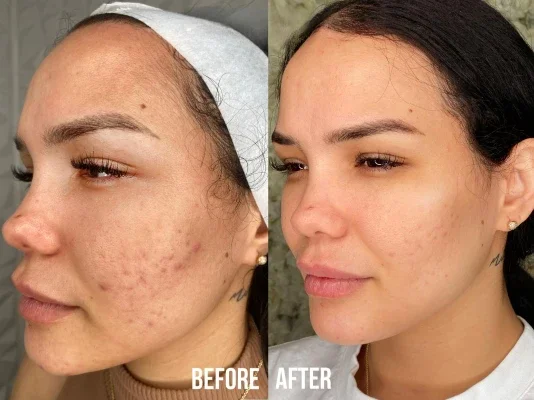
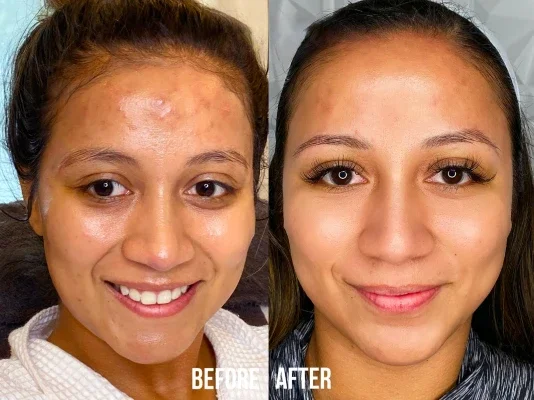
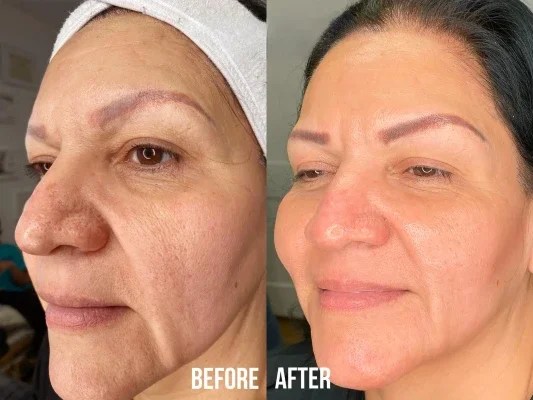
Check that both photos use the same angle, the same lighting, the same camera distance and a neutral expression, and that the after photo is labeled with how many months post op it is. A one month lower lid photo is still swollen. Eyes are also easy to flatter with upward lighting. Look for cases whose starting anatomy matches yours, particularly lid laxity and skin quality, not the most dramatic pair on the page.
Still not sure you are a candidate?
That is what the first consultation is for. It is free, there is no obligation, and you can come to Miami or start by video if you are travelling in.