Updated
Does wood therapy actually reduce cellulite and reshape the body?
Wood therapy, offered at Aliestetic in Miami, is a manual massage performed with contoured wooden tools rather than with the hands alone. It is worth being precise about the evidence. Health information sources and reviews of the topic consistently note that wood therapy has not been shown in rigorous clinical trials to reduce cellulite or to permanently change body contour, and that most support for those claims is anecdotal. What firm rhythmic massage can reasonably do is stimulate circulation, help move retained fluid, ease muscular tension and temporarily improve how skin looks and feels. Those are real but modest and short lived effects, and they are not the same as fat reduction. There is also a timing limit that matters more than the technique itself. Applying strong mechanical pressure to tissue that was recently operated on increases inflammation and bruising, so wood therapy belongs to a later phase of recovery, after clearance, not to the first weeks.
Benefits of Real and Lasting Results
Reduces Measurements
Reduces cellulite and localized fat.
Defines the Silhouette
Shapes buttocks, legs, abdomen, and waist.
Health and Skin
Stimulates circulation and lymphatic drainage, tones the skin, and improves its texture.
Experience
It is a manual and relaxing treatment.
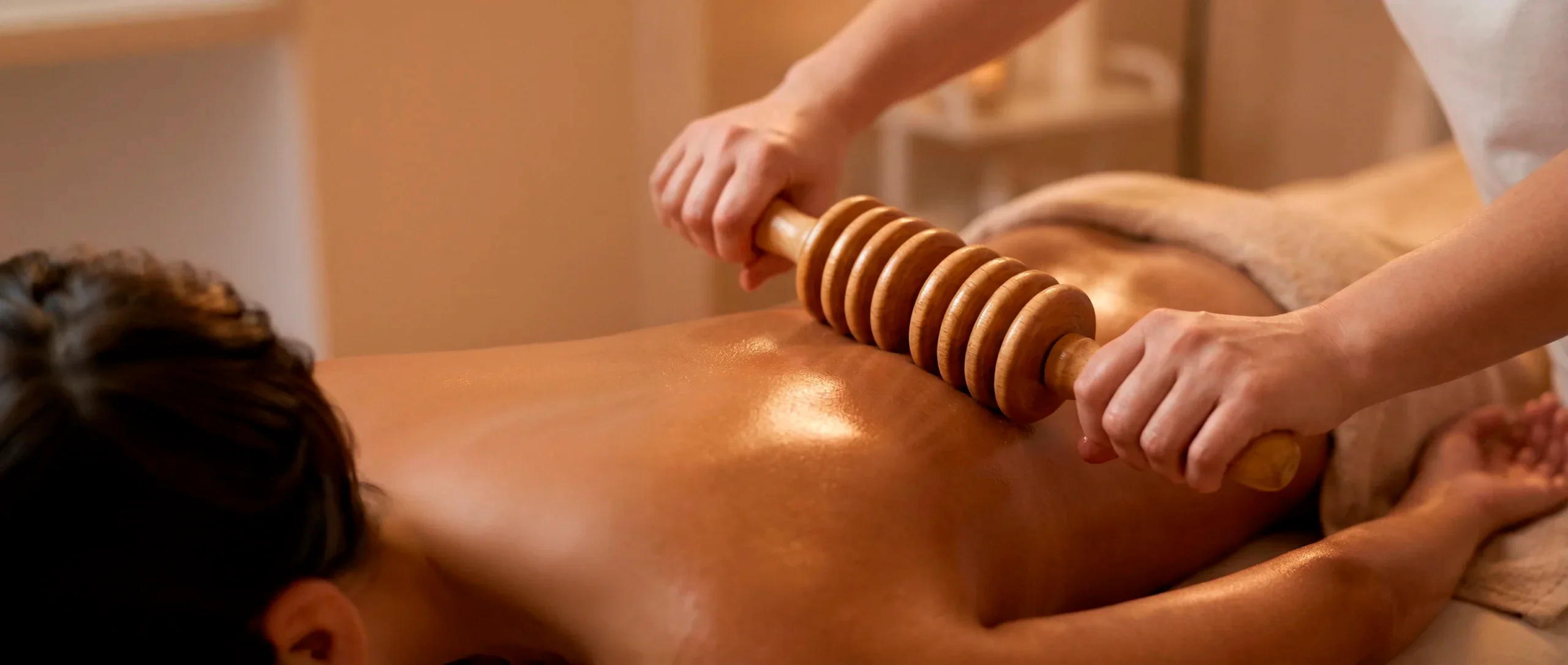
How Does It Work?
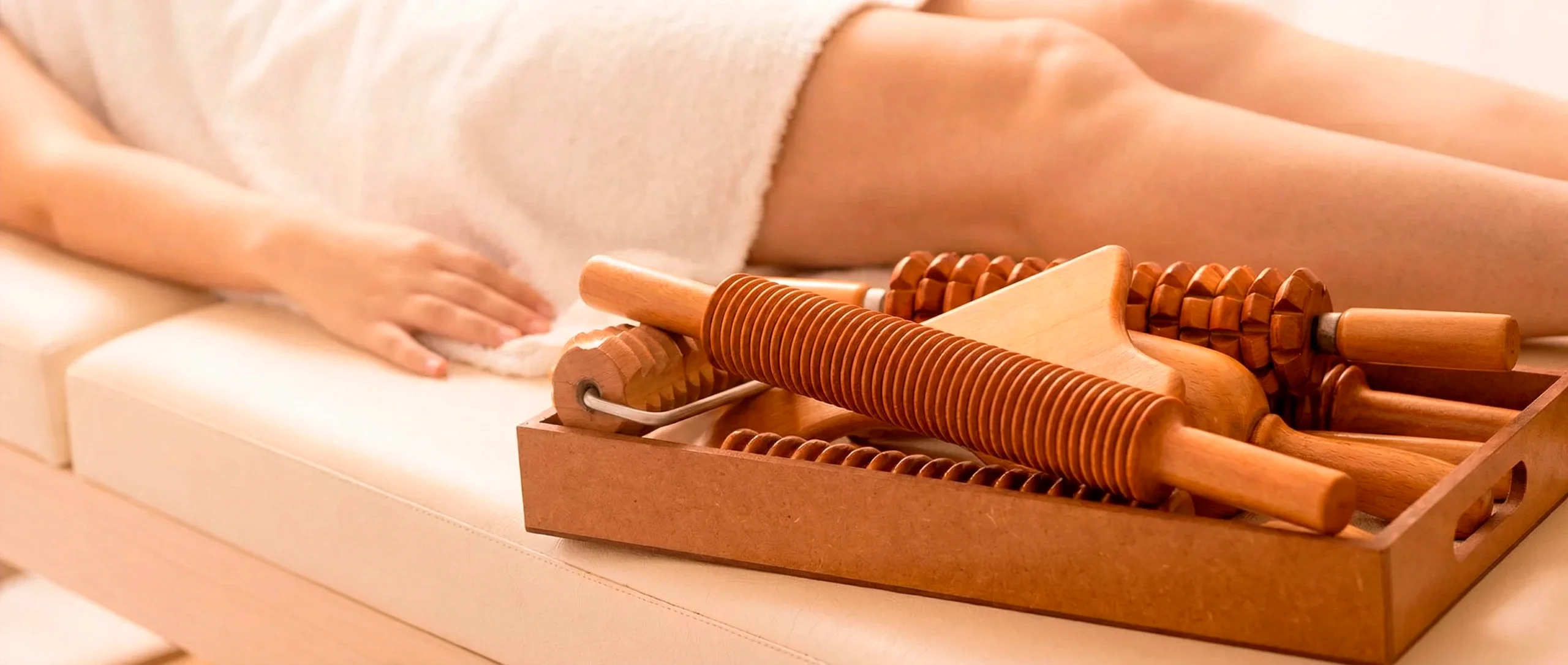
- Anatomical wooden rollers, cups, and boards are used.
- Repetitive maneuvers activate the lymphatic and circulatory systems.
- Mobilizes localized fat and tones muscles.
Duration per session
45–60 minutes.
Results are visible from the 3rd session. A protocol of 6–10 sessions is recommended.
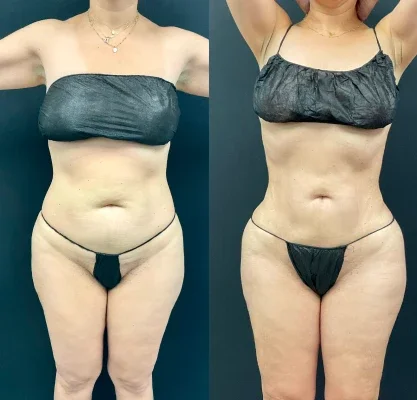
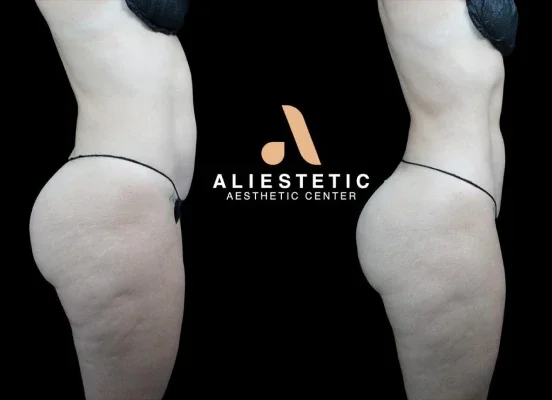
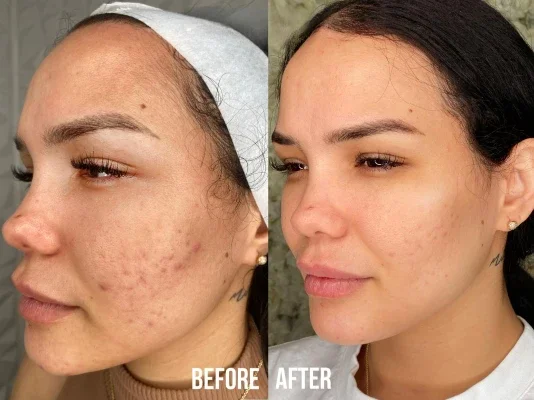
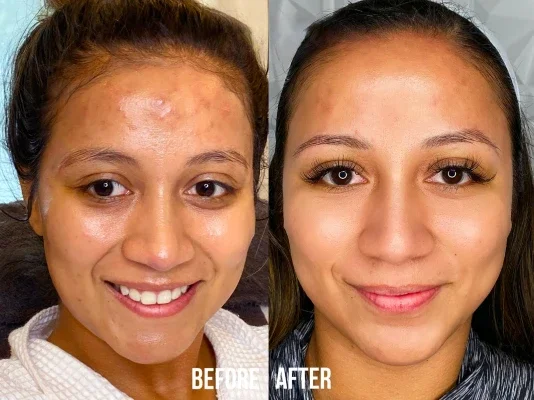
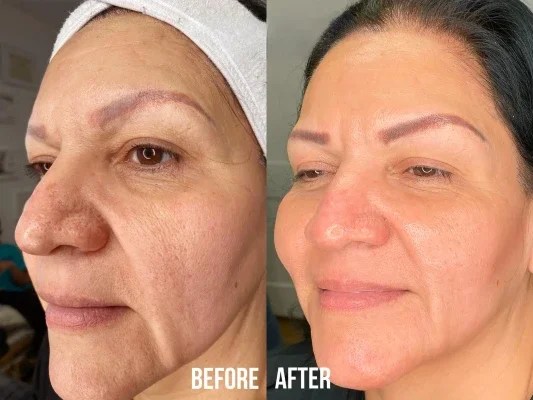
Real transformations
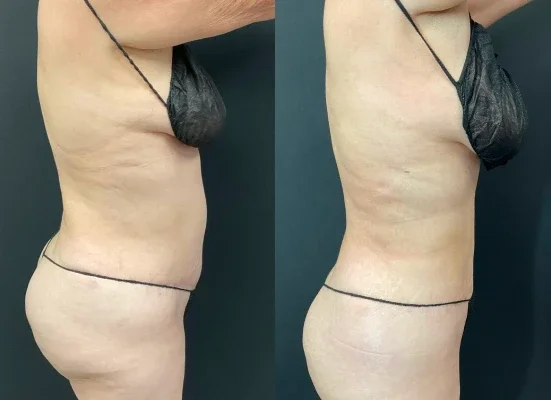
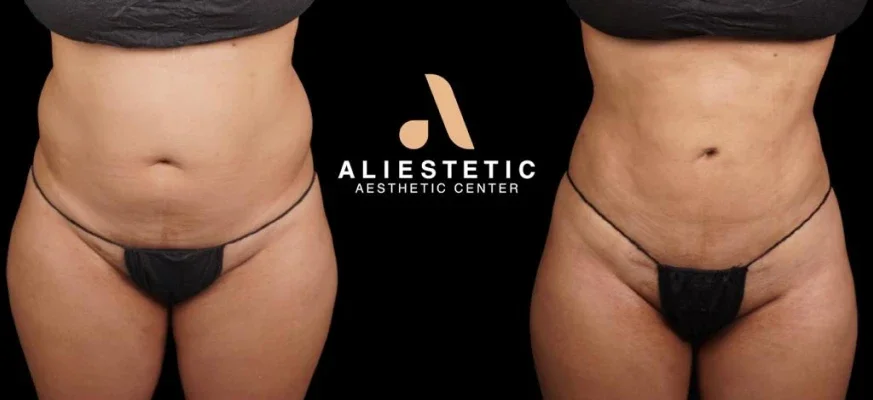
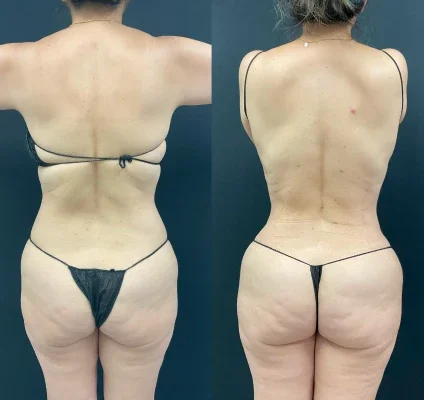
“My legs and waist changed since the first week. It is relaxing and super effective.” (Patricia M., 34 years old).
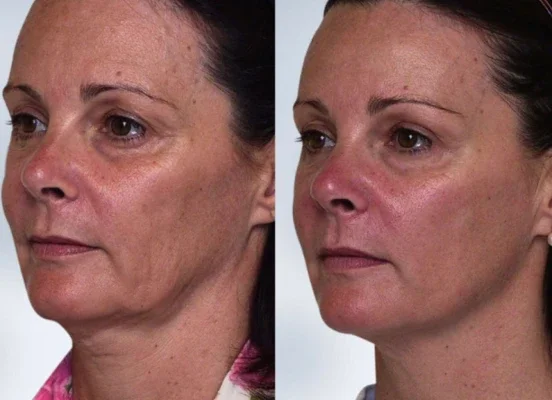
Results are individual: one patient’s experience does not represent what any given person should expect.
Book your appointment nowQuick facts
- What it is
- Firm manual massage performed with shaped wooden rollers, cups and boards
- Also called
- Maderoterapia, and commonly sold in Miami under the umbrella of reducing or contouring massage
- Evidence
- No rigorous clinical trials support cellulite reduction or lasting contour change. Support is anecdotal
- Realistic effect
- Circulation, fluid movement, muscular relaxation and a temporary improvement in skin feel and appearance
- Timing after surgery
- Late phase only, after surgical clearance. Never in the early inflamed weeks
- Bruising
- A sign the pressure was too aggressive, not a sign of results
On this page1 / 8What wood therapy is
Wood therapy is the treatment we argue about most with new clients, and the argument is always the same one.
Someone comes in with a screenshot from Instagram. A waist looks dramatically smaller in the after photo, promising centimeters lost in a single session. They want that, starting next week, ten days after their liposuction.
We are going to explain, carefully, why the answer to that specific request is no, and what wood therapy is genuinely good for. Aliestetic is an aesthetic center with locations in Miami and Naples. Wood therapy is performed in house by our own therapists; surgery is coordinated separately with an allied plastic surgeon.
What wood therapy is
A set of wooden instruments, each shaped for a body region: rollers with ridges for the thighs, a…
A set of wooden instruments, each shaped for a body region: rollers with ridges for the thighs, a cup shaped tool for the buttocks, flat boards for the flanks and abdomen, a curved implement for the arms. The therapist works them over oiled skin in repetitive directional strokes, with considerably more pressure than a lymphatic session.
The tools originate from techniques popularized in Colombia and spread through the Latin American aesthetic industry, which is why in Miami you hear it called maderoterapia as often as wood therapy. Physically, this is a firm mechanical massage: the wood lets the therapist apply consistent pressure without exhausting their hands. That is a real advantage for the person doing the work. It is not, by itself, a mechanism of action.
What it can reasonably do
Firm rhythmic massage moves fluid: if you retain fluid, if your legs feel heavy or you flew in…
Firm rhythmic massage moves fluid: if you retain fluid, if your legs feel heavy or you flew in yesterday, an hour of vigorous directional work feels good for a physiological reason. It relaxes muscle and fascia, since tension in the low back, outer thigh and glutes responds to sustained pressure. It temporarily changes how skin looks and feels, flushed, warm and smoother to the touch for a while. And it feels like something: people stick with routines that feel active, and that consistency has value even when the massage itself is not the thing producing the change.
Those are the honest benefits. Real, but modest and temporary.
What it cannot do
It does not remove fat
Pressure does not liquefy, dissolve or eliminate fat cells. The idea that it breaks up fat so the body can eliminate it is a sales story with no physiological basis.
It does not permanently reduce measurements
A tape measure right after a session can read smaller, but that reflects displaced fluid and compressed tissue, and it comes back.
It is not proven to treat cellulite
Sources reviewing the topic consistently report it has not been shown effective for cellulite in rigorous research. The anatomy explains why: a cellulite dimple exists because a fibrous band under the skin tethers it down, and you cannot release a band from the outside by pressing on the skin above it.
It does not tighten loose skin
Skin laxity is a structural problem in the dermis and deeper support layers, and it does not respond to massage.
The part that actually matters: timing after surgery
In the weeks after liposuction or a tummy tuck, your tissue is inflamed, fluid is accumulating…
In the weeks after liposuction or a tummy tuck, your tissue is inflamed, fluid is accumulating where fat used to be, and small blood vessels and lymphatic channels are still repairing. Hard mechanical pressure on that increases inflammation, causes bleeding into a space already collecting fluid, and adds bruising that an already overloaded lymphatic system has to clear. The swelling gets worse, not better, and people often conclude they need more aggressive sessions, which makes it worse still. This is the point where wood therapy stops being merely oversold and starts being capable of harm.
Our sequence is not negotiable: early recovery is manual lymphatic drainage with light pressure, compression, walking and rest, and nothing else. The middle phase, once cleared, can add targeted work on areas of fibrosis. Wood therapy is a late phase, non recovery tool, months out, released by your surgeon. If a clinic offers it at two weeks post op, they are prioritizing the package sale over your recovery.
Bruising is a warning, not a result
Somewhere along the way an idea took hold that bruises prove the treatment is working. A bruise is…
Somewhere along the way an idea took hold that bruises prove the treatment is working. A bruise is blood outside a vessel because that vessel was broken. It is tissue injury. There is no mechanism by which breaking small blood vessels contributes to a better body contour.
Mild tenderness the day after a firm massage is normal, the way muscles are sore after training. But if you leave every session purple, the pressure is too much for your tissue, and the person applying it is confusing violence with skill. Say so during the session and have it adjusted. If a therapist tells you the pain is necessary, that is your answer about where to book next time.
Brown and dark skin
We treat a lot of Fitzpatrick IV to VI skin, and here the bruising issue is not merely a comfort…
We treat a lot of Fitzpatrick IV to VI skin, and here the bruising issue is not merely a comfort question. The good part first: there is no light and no heat in this treatment, so there is no risk of the burns or pigment loss that badly chosen laser devices can cause in richly pigmented skin. The caution is post inflammatory hyperpigmentation: deeply pigmented skin responds to trauma by producing melanin, so a bruise that fades invisibly on pale skin can leave a brown patch on dark skin that persists for months. The acceptable pressure threshold in darker skin is lower, not higher, and anyone who suggests darker skin needs more force has told you everything about their training.
Quick answer
What is the real risk of wood therapy on dark skin? There is no light and no heat involved, so there is no melanin related risk of burns or pigment injury the way there is with lasers. The specific risk in Fitzpatrick IV to VI skin is bruising, and it is a real one. Richly pigmented skin responds to trauma and inflammation by producing pigment, so a bruise that would fade invisibly on pale skin can leave a brown mark that lasts months. That means the standard for acceptable pressure is stricter for you, not looser. If a provider tells you darker skin needs harder pressure, walk out.
Who should not have it
Anyone in the early post surgical window without clearance from their surgeon; with an unevaluated…
Anyone in the early post surgical window without clearance from their surgeon; with an unevaluated fluid collection, an open or infected wound, or a suspected hernia; with a bleeding disorder or on blood thinners without medical clearance; with significant varicose veins in the area, a history of clots, active skin infection, uncontrolled diabetes with reduced sensation, or fragile skin. Pregnancy requires medical guidance. We ask about all of this before the first session, and we would rather cancel an appointment than treat somebody we should not.
How we run it at Aliestetic
We ask what you actually want. If your goal is a firm, invigorating massage as part of a routine…
We ask what you actually want. If your goal is a firm, invigorating massage as part of a routine, this is a good fit. If your goal is a dress size, we will tell you at the consultation that this is the wrong tool. If you had surgery within the last few months, we ask for the date and your clearance, and start you on drainage instead if it is too early. That conversation is not a sales tactic, it is the whole point. We adjust pressure to your tissue and check in during the session rather than after, and we do not sell twenty session packages to someone who has not had one session.
Frequently asked questions
Does wood therapy remove fat or reduce inches permanently?
No. Nothing about pressing a wooden roller against your skin removes fat cells from your body. Measurements taken right after a session can be smaller, and that is real, but it reflects fluid that has been moved and tissue that has been compressed, not fat that is gone. Those measurements drift back. If you want an honest way to think about it: wood therapy can make you look and feel better temporarily, and it can be part of a routine, but it is not a body contouring procedure and we will not sell it to you as one.
Is wood therapy proven to work on cellulite?
It is not. Reviews of the available information consistently report that researchers have not demonstrated wood therapy to be effective for cellulite in rigorous studies, and that the support behind the claims is anecdotal rather than clinical. That does not mean people feel nothing. It means the marketing has run far ahead of the evidence. Cellulite dimples are caused by fibrous bands tethering the skin from underneath, and external pressure does not release a band. If distinct dimples are your actual complaint, a treatment that targets those bands addresses the cause directly.
Can I have wood therapy right after liposuction or a tummy tuck?
No, and this is the single most important thing on this page. In the early weeks, tissue that was recently operated on is inflamed, fragile and full of fluid, and small vessels are still healing. Strong mechanical pressure in that window increases inflammation, causes bleeding into the tissue and worsens the swelling you are trying to resolve. Early recovery belongs to light lymphatic drainage, correct compression, walking and rest. Wood therapy enters later, once the tissue has stabilized and your surgeon has cleared you.
But my friend was told the bruises mean it is working.
That is the myth we most want to kill. A bruise is bleeding under the skin because small vessels were broken. It is tissue damage, not evidence of fat being broken down, and fat is not broken down by pressure in the first place. Heavy bruising after a session means the pressure was too aggressive for your tissue, full stop. Mild, occasional bruising can happen on sensitive areas and is not a scandal. Coming out purple after every session is a reason to change provider, not a badge of progress.
When does wood therapy actually make sense?
In the late phase and outside of recovery. Once you are months out and your surgeon has released you, firmer manual work can help with the feel and mobility of tissue, with circulation and with general muscular tension. It also makes sense for people who have not had surgery and simply want a firm, invigorating body massage as part of a routine, alongside exercise and nutrition, with realistic expectations about what it will and will not change.
Is wood therapy safe on brown and dark skin?
There is no light and no heat involved, so there is no melanin related risk of burns or pigment injury the way there is with lasers. The specific risk in Fitzpatrick IV to VI skin is bruising, and it is a real one. Richly pigmented skin responds to trauma and inflammation by producing pigment, so a bruise that would fade invisibly on pale skin can leave a brown mark that lasts months. That means the standard for acceptable pressure is stricter for you, not looser. If a provider tells you darker skin needs harder pressure, walk out.
How many sessions will I need?
Any effect from this kind of massage is temporary, so it works as a routine rather than as a course of treatment with an end date. Packages of ten or fifteen sessions are the standard sales structure in Miami, and we would rather you start with a few sessions, see honestly how your body responds and how you feel, and then decide. Buying twenty sessions before you have had one is a decision made for the clinic, not for you.
Does it hurt?
It should be firm and stimulating, not something you have to endure. Some tenderness the following day, similar to how muscles feel after a workout, is normal. Sharp pain during the session, or wincing and holding your breath, means the pressure is wrong for your tissue. Tell your therapist. A good therapist adjusts immediately and does not treat your tolerance for pain as a measure of results.
Who should not have wood therapy?
Anyone in the early post surgical window without clearance. Anyone with an unevaluated fluid collection, an open or infected wound, or a suspected hernia. Anyone with a bleeding disorder or on blood thinners without medical clearance. Anyone with varicose veins in the area, a history of blood clots, an active skin infection, uncontrolled diabetes with reduced sensation, osteoporosis or fragile skin. Pregnancy requires medical guidance. If in doubt, ask your doctor before booking, not after.
Why do you offer it at all if you are this critical of it?
Because a firm, well performed body massage has genuine value, people enjoy it and it is a reasonable part of a routine when nobody is lying about what it does. Our objection is not to the wooden tool. It is to the claims attached to it and to applying it in the wrong phase of recovery, which actively harms people. We would rather offer it with the truth attached than let a client walk down the street to a place that promises a dress size and delivers bruises.
Still not sure you are a candidate?
That is what the first consultation is for. It is free, there is no obligation, and you can come to Miami or start by video if you are travelling in.