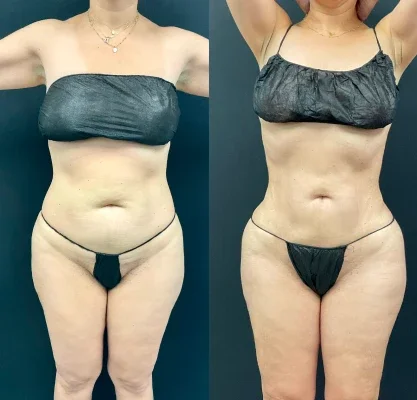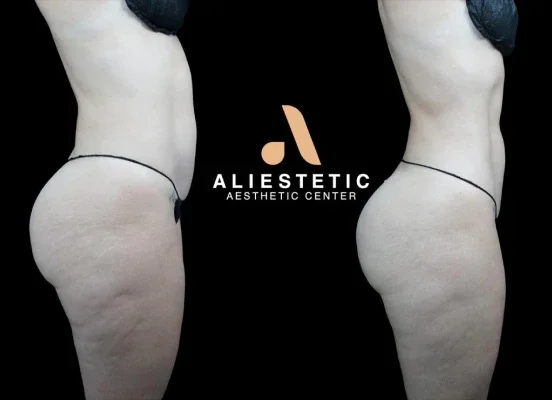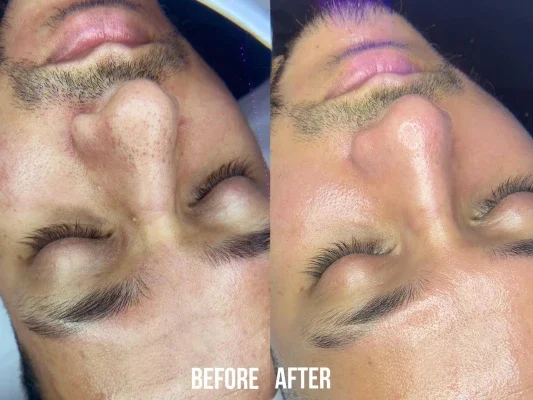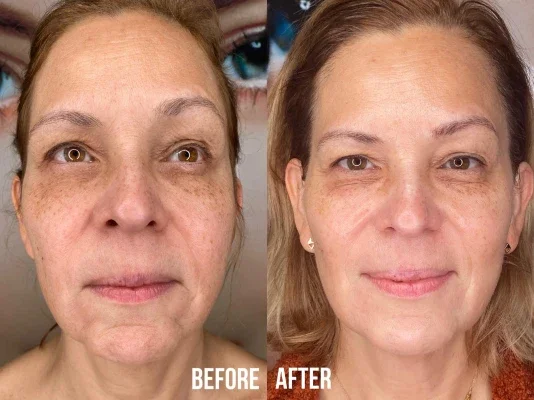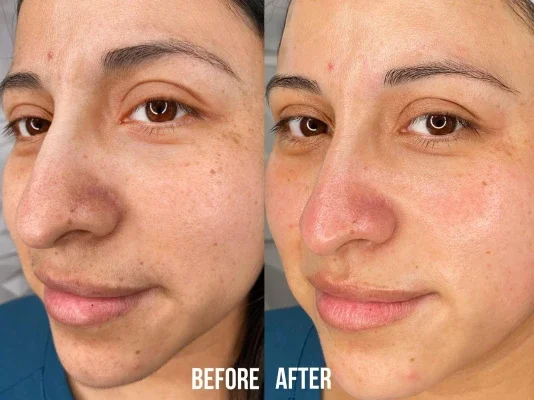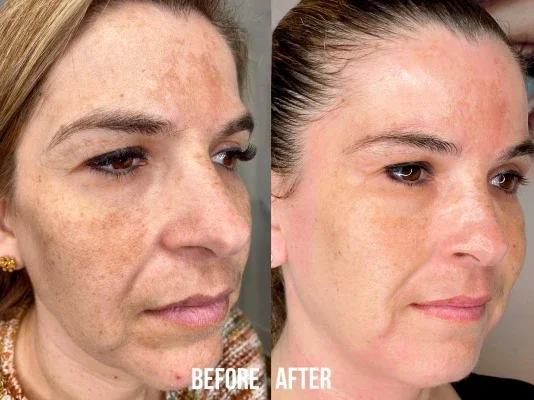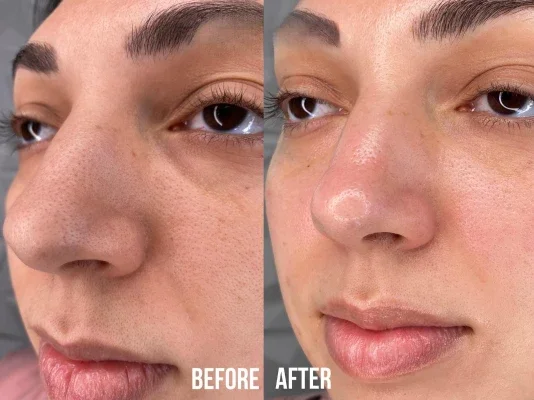
Renew your skin from within with the latest generation of technology
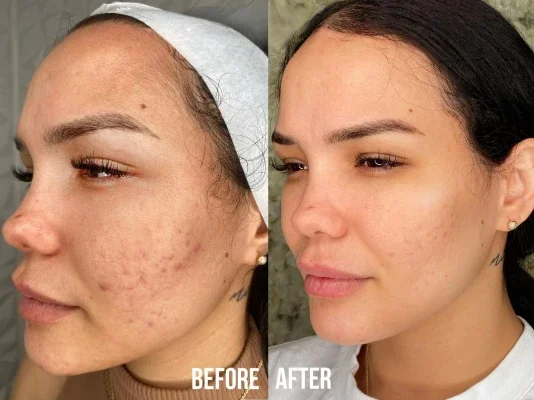
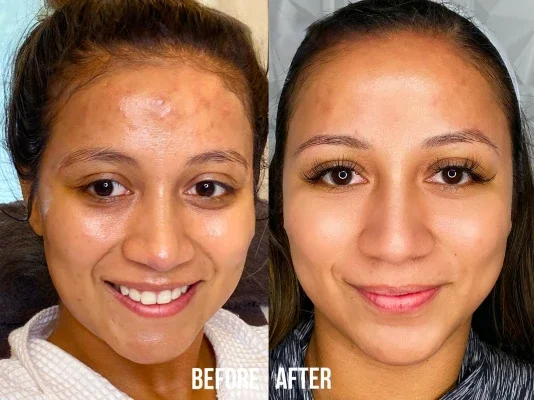
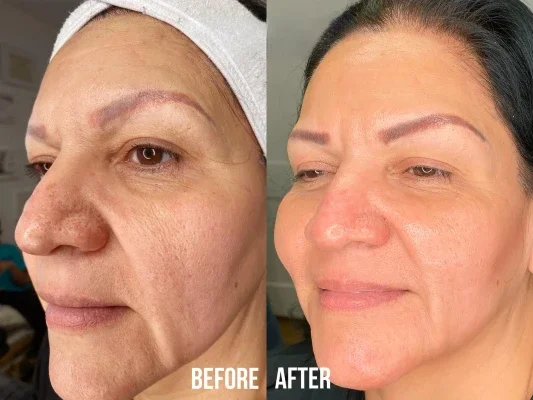
Visible benefits from the first session
- Firms the skin and improves its elasticity.
- Smooths wrinkles and expression lines.
- Stimulates collagen and elastin naturally.
- Improves circulation and cellular oxygenation.
- No pain or downtime.
How does Diamond Polar work?
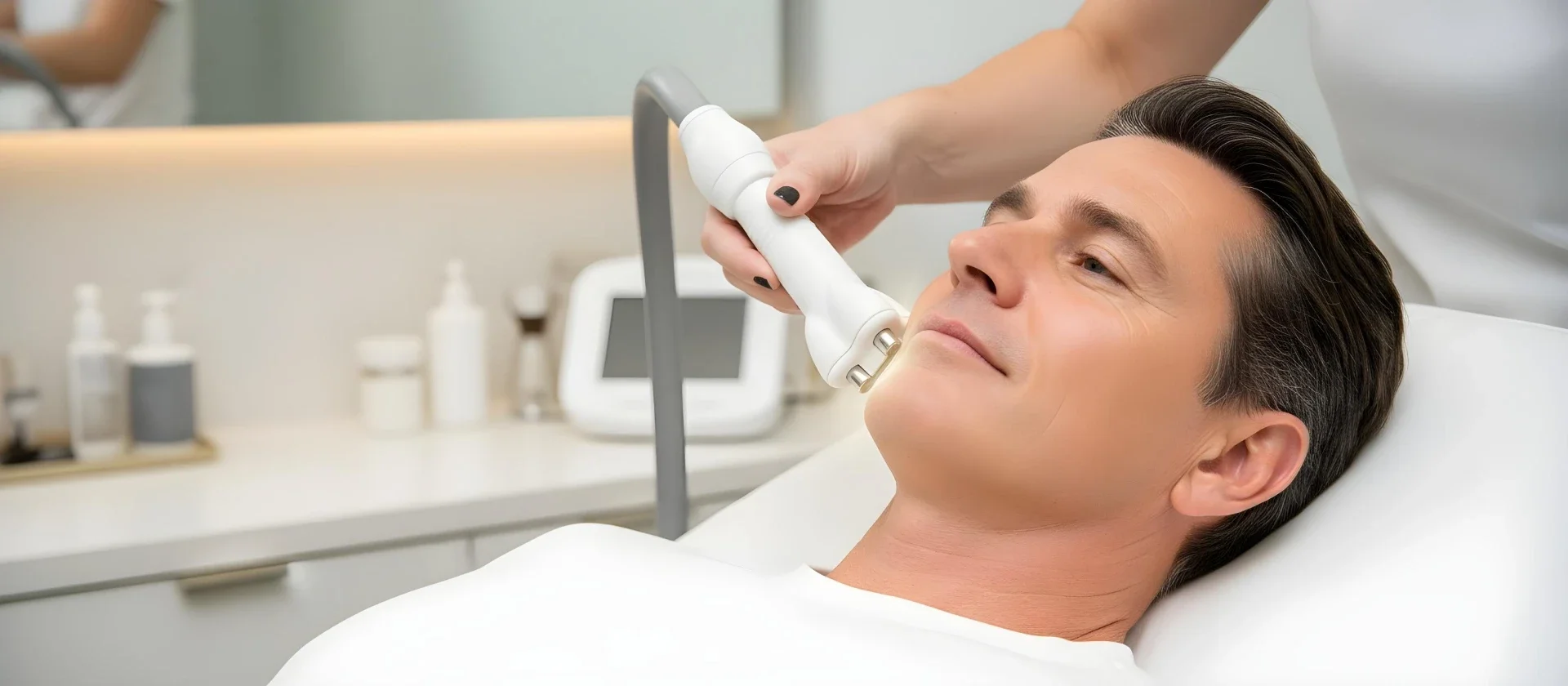
- Multipolar radiofrequency technology + magnetic pulses.
- Generates uniform and safe heating of deep layers.
- Stimulates fiber contraction and collagen production.
- Ideal for face, neck, and décolleté.
- Duration: 30–45 minutes
- Results: progressive, visible from the 1st session. Recommended in a protocol of 4–6.
Real cases of firmness and luminosity
- “I felt my skin firmer since the first session. It is relaxing and the results are noticeable.” (Claudia B., 41 years old).
Quick facts
- Sessions
- A weekly series set at assessment, commonly around six to eight for the face, then spaced maintenance
- Downtime
- None. Warmth and a short-lived pink flush are normal
- When you see change
- Slight immediate tightening, real change over weeks, fuller effect judged a few months after the series
- Best for
- Mild to moderate facial laxity, early jowling, skin firmness after GLP-1 weight loss
- Skin tone
- Electrothermal, not light based. Melanin is not a target, which makes it a strong option in Fitzpatrick IV to VI
- Not for you if
- Pacemaker or implanted electronic device, pregnancy, metal implants in the area, active cancer, severe laxity that needs surgery
On this page1 / 9What Ozempic face actually is
- What Ozempic face actually is
- What radiofrequency can change, and what it cannot
- How does radiofrequency skin tightening work?
- What is Diamond Polar?
- Is radiofrequency safe for brown and dark skin?
- What does a session feel like, and is there downtime?
- Honest expectations, including when the answer is not a device
- The prevention nobody sells you
- Booking in Miami and Naples
Two very different people book this treatment and arrive with almost the same sentence. One is in their forties or fifties and has noticed that the jawline is no longer a line. The other lost thirty, fifty, eighty pounds on a GLP-1 medication and cannot stop looking at a face that seems to have aged five years in eight months. Both are laxity problems, but they are not the same problem.
What Ozempic face actually is
Ozempic face is not a side effect of the drug on the skin. It is the visible consequence of losing fat very fast.
Ozempic face is not a side effect of the drug on the skin. It is the visible consequence of losing fat very fast.
The face is organized into discrete fat compartments that act as structural scaffolding: deep pads under the cheeks, temporal fat, the pads around the mouth and jaw. Skin drapes over that scaffolding, and when the scaffolding shrinks quickly the covering does not shrink with it. Hence the recognizable pattern: hollow temples, flattened cheeks, deeper folds from nose to mouth, sagging along the jawline and upper neck. Speed is the variable everyone underestimates. Weight lost gradually over a year gives skin some opportunity to adapt. Weight lost over three to six months, entirely normal on semaglutide or tirzepatide, does not.
GLP-1 weight loss is also not purely fat loss. The body composition substudy of the STEP 1 semaglutide trial found that a substantial share of total weight lost came from lean tissue, and the corresponding SURMOUNT-1 substudy for tirzepatide reported a lower but still meaningful share. Less muscle across the whole frame is part of why the face reads as depleted rather than lean.
What radiofrequency can change, and what it cannot
Radiofrequency works on skin
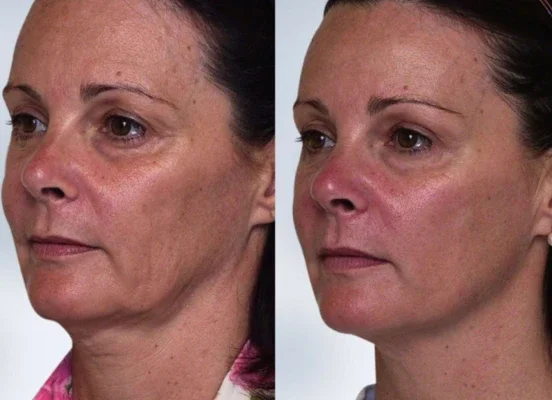
Firmness, texture, tone, the tightness of the envelope. In a face that has deflated, that is a real and useful piece of the answer, particularly along the jawline and under the chin.
Radiofrequency does not work on volume
No amount of controlled heating replaces a fat pad that is no longer there. Hollow temples and flat cheeks need volume tools: hyaluronic acid fillers for immediate structural support, collagen biostimulators for gradual diffuse rebuilding, or fat grafting when the loss is substantial.
Radiofrequency is not a facelift
Surgery repositions tissue. Radiofrequency changes the quality of what is already there.
How does radiofrequency skin tightening work?
Radiofrequency energy meets resistance as it passes through tissue, and that resistance converts it into heat inside the dermis, below the surface. Brought into its therapeutic range, collagen fibrils partially denature and contract, which produces the small immediate tightening some people notice on the way out. That same thermal stimulus triggers a wound healing response, and over the following weeks fibroblasts lay down new collagen. That delayed phase is where most of the actual result lives.
Radiofrequency energy meets resistance as it passes through tissue, and that resistance converts it into heat inside the dermis, below the surface. Brought into its therapeutic range, collagen fibrils partially denature and contract, which produces the small immediate tightening some people notice on the way out. That same thermal stimulus triggers a wound healing response, and over the following weeks fibroblasts lay down new collagen. That delayed phase is where most of the actual result lives.
Temperature control is the whole game. The dermis has to reach its working range while the epidermis stays below the threshold where damage begins. That is why the applicator moves continuously, why the operator monitors skin temperature, and why more heat is not better.
What is Diamond Polar?
Diamond Polar is a small applicator built by Venus Concept for facial areas: cheeks, jawline, jowls, around the mouth. It combines multi-polar radiofrequency with pulsed electromagnetic fields, a combination the manufacturer markets as MP2. The pulsed electromagnetic field is described in the manufacturer literature as supporting fibroblast proliferation and new blood vessel formation through growth factor signaling.
Diamond Polar is a small applicator built by Venus Concept for facial areas: cheeks, jawline, jowls, around the mouth. It combines multi-polar radiofrequency with pulsed electromagnetic fields, a combination the manufacturer markets as MP2. The pulsed electromagnetic field is described in the manufacturer literature as supporting fibroblast proliferation and new blood vessel formation through growth factor signaling.
One point of regulatory honesty. The Venus Legacy clearance language for facial wrinkles names Fitzpatrick skin types I to IV with the Diamond Polar and Octipolar applicators. That describes the population studied for that specific labeled indication. It is not a finding that radiofrequency is unsafe on darker skin, and the physics below explains why.
Is radiofrequency safe for brown and dark skin?
The Fitzpatrick scale runs from type I, which burns and does not tan, to type VI, deeply pigmented skin that rarely burns. A large share of South Florida sits in types IV to VI, and that population has been repeatedly failed by aesthetic devices. Radiofrequency is one of the exceptions: heat is generated by tissue resistance to a current rather than by light absorbed in a pigment, so melanin is not a target, and the dermatology literature on non-invasive treatment in Fitzpatrick IV to VI consistently lists it among the safer energy options.
The Fitzpatrick scale runs from type I, which burns and does not tan, to type VI, deeply pigmented skin that rarely burns. A large share of South Florida sits in types IV to VI, and that population has been repeatedly failed by aesthetic devices. Radiofrequency is one of the exceptions: heat is generated by tissue resistance to a current rather than by light absorbed in a pigment, so melanin is not a target, and the dermatology literature on non-invasive treatment in Fitzpatrick IV to VI consistently lists it among the safer energy options.
Safe does not mean careless. Excessive heat causes an inflammatory response, and inflammation in melanin-rich skin can leave pigment behind. Conservative parameters, continuous movement, monitored skin temperature and daily sunscreen are what keep that risk theoretical.
What does a session feel like, and is there downtime?
Warm. That is genuinely the whole description. Gel goes on, the applicator moves in slow passes, and the treated zone heats gradually to its working temperature and is held there. It should never be sharp or burning, and telling us the moment it stops being comfortable is part of how the session is run safely.
Warm. That is genuinely the whole description. Gel goes on, the applicator moves in slow passes, and the treated zone heats gradually to its working temperature and is held there. It should never be sharp or burning, and telling us the moment it stops being comfortable is part of how the session is run safely.
Afterwards the skin is often pink and warm for a while, then settles. No peeling, no crusting, no recovery period.
Honest expectations, including when the answer is not a device
How much improvement you get depends heavily on where you started, how much laxity you have and your age.
How much improvement you get depends heavily on where you started, how much laxity you have and your age.
A scoping review published in JMIR Dermatology that compared radiofrequency microneedling with surgical facelift reported laxity improvement in the range of 16 percent for the device against roughly 46 percent for surgery.
Non-invasive radiofrequency without needles is gentler still. Read that as a lane, not as a failure. Within the lane, mild to moderate laxity and skin quality, it does real work with no recovery time. If you have heavy jowls and significant hanging skin along the jaw and neck, a series of sessions will not produce a surgical result, and that conversation belongs with a plastic surgeon. We would rather tell you that at your assessment than take payment for a series that was never going to satisfy you.
The prevention nobody sells you
If you are currently on a GLP-1 medication and your face has not changed yet, the most effective intervention available to you is not a device. It is losing weight at a pace your skin can follow, eating enough protein through the loss, and doing resistance training. Clinical guidance during active weight loss commonly places protein intake in the range of 1.2 to 1.6 grams per kilogram of body weight per day, alongside structured strength work. That belongs to you and your prescribing physician, but it is the part that actually prevents the problem.
If you are currently on a GLP-1 medication and your face has not changed yet, the most effective intervention available to you is not a device. It is losing weight at a pace your skin can follow, eating enough protein through the loss, and doing resistance training. Clinical guidance during active weight loss commonly places protein intake in the range of 1.2 to 1.6 grams per kilogram of body weight per day, alongside structured strength work. That belongs to you and your prescribing physician, but it is the part that actually prevents the problem.
Booking in Miami and Naples
If you are searching for non-surgical skin tightening in Miami or Naples, book an assessment at Aliestetic. Bring your medical history: any implanted device, any injectable work in the last few months, and how long you have been on a GLP-1 medication if you are. You will get a plan with a number of sessions and a timeline, and where the honest answer is that a device is the wrong tool, you will get that instead.
If you are searching for non-surgical skin tightening in Miami or Naples, book an assessment at Aliestetic. Bring your medical history: any implanted device, any injectable work in the last few months, and how long you have been on a GLP-1 medication if you are. You will get a plan with a number of sessions and a timeline, and where the honest answer is that a device is the wrong tool, you will get that instead.
Can radiofrequency skin tightening fix Ozempic face?
Ozempic face is the deflated, older looking result that can follow rapid weight loss on GLP-1 medications such as semaglutide and tirzepatide. Two things happen at once. The facial fat pads that acted as structural support shrink, and the skin that covered them is left with more surface area than it now needs. Non-surgical radiofrequency skin tightening, which at Aliestetic in Miami is performed with the Diamond Polar applicator on a Venus platform, addresses only the second half of that problem. Controlled heating of the dermis contracts existing collagen and stimulates new collagen over the following weeks, which can improve firmness, texture and jawline definition. It does not put volume back. Replacing lost facial fat belongs to volumizing tools such as fillers, collagen biostimulators or fat grafting, and that is a separate medical conversation. Radiofrequency is also not a facelift, and where laxity is severe it will not close that gap.
Frequently asked questions
Does radiofrequency skin tightening hurt?
No. The usual description is a hot stone massage. The applicator glides over the skin with gel and the temperature climbs in the first minutes until the treated zone reaches its working range, then it is held there. It should feel warm and tolerable at all times. Heat that turns sharp, stinging or genuinely painful is a signal to say so immediately, because comfort is the safety feedback in this treatment and the settings get adjusted based on what you report.
Can radiofrequency fix Ozempic face?
Partially, and only the skin half of it. Rapid GLP-1 weight loss produces two separate problems: facial fat pads shrink, and the skin loses the support it was draped over. Radiofrequency works on skin quality and firmness. It cannot restore lost volume in the temples, cheeks or under the eyes, which is what fillers, collagen biostimulators or fat grafting are for. Anyone selling you a device as the complete answer to Ozempic face is skipping half the diagnosis.
How many sessions do I need and when do I see a difference?
Protocols in this device family commonly describe a weekly series on the face, often around six to eight sessions, followed by spaced maintenance. Your plan is set at assessment and it depends on your starting laxity, your age and your skin. The timing is the part people underestimate. There is a mild immediate tightening from collagen fiber contraction, but the meaningful change comes from new collagen laid down over the following weeks, and the fuller effect is usually judged several months after the last session.
Is radiofrequency safe for brown and dark skin?
This is one of the strongest arguments for radiofrequency. Lasers and intense pulsed light work by depositing energy into a chromophore, and in darker skin the melanin in the epidermis competes for that energy, which is the mechanism behind burns and post-inflammatory hyperpigmentation. Radiofrequency produces an electrothermal effect, not a photothermal one, so melanin plays no role in how the energy is absorbed. That makes it one of the few energy technologies where skin tone is not the limiting variable. Technique and temperature control still matter.
What is Diamond Polar, and does the machine matter?
Diamond Polar is the name of a small applicator made by Venus Concept for facial areas such as the cheeks, jawline and jowls. It combines multi-polar radiofrequency with pulsed electromagnetic fields, a pairing the manufacturer calls MP2. The radiofrequency provides the thermal stimulus to the dermis and the pulsed electromagnetic field is described as supporting fibroblast activity and new vessel formation. The applicator is a delivery tool. The operator, the parameters and the honesty of the plan matter more than the brand name on the handpiece.
Is there any downtime?
None in the usual sense. Skin is commonly pink and warm for a short while afterward, similar to how it looks after a hot shower, and that settles. People go back to work the same day, and makeup can usually go on once the flush has faded. What we ask for is daily sunscreen, because you are investing in collagen and unprotected sun exposure works against that on every skin tone.
Who should not have radiofrequency skin tightening?
It is not performed on anyone with a cardiac pacemaker, defibrillator, neurostimulator, implanted drug pump or other implanted electronic device. It is avoided in pregnancy, over active cancer, over metal implants in the treatment area, over active infection or broken skin, and in thrombophlebitis or an active clotting problem. Epilepsy, uncontrolled diabetes with reduced heat sensation in the skin, and recent injectable treatments in the area all require review before booking. Disclose implants and devices honestly at intake.
Can I have it if I have fillers or neuromodulator?
Usually yes, with timing. Common practice is to let recent injectable work settle before applying heat over the area rather than treating on top of fresh product, and the interval is decided case by case at your assessment. Bring the details: what was placed, where and when. Vague answers about your own injectable history are a genuine obstacle to planning a safe session.
Is it worth it, or should I be looking at surgery?
It depends entirely on how much laxity you have. Non-surgical radiofrequency is aimed at mild to moderate laxity and at skin quality, and the published effect sizes for non-surgical devices are modest next to surgery. A scoping review in JMIR Dermatology comparing radiofrequency microneedling with surgical facelift reported laxity improvement of roughly 16 percent for the device against roughly 46 percent for surgery. If you have heavy jowls and significant excess skin, a series of device sessions is unlikely to satisfy you, and we would rather say that at the assessment than after you have paid for it.
Still not sure you are a candidate?
That is what the first consultation is for. It is free, there is no obligation, and you can come to Miami or start by video if you are travelling in.