Updated

Surgical procedures are performed by an affiliated board-certified plastic surgeon. Aliestetic coordinates your consultation, pre-op and recovery.
What is the right age for a child to have otoplasty?
Ear growth is nearly complete by about age five or six, which is why that window is the usual reference point for otoplasty in children. Surgeons often prefer to operate before or around the start of school, both because the cartilage has reached close to adult size and because teasing tends to begin then. Some centers operate earlier, since younger cartilage is softer and easier to reshape. There is no medical urgency and no expiration date. Otoplasty in adults uses the same techniques and works well, often under local anesthetic. What matters more than a specific birthday is whether the child understands what is happening, can cooperate with a headband for several weeks, and actually wants it. At Aliestetic in Miami we coordinate the consultation and post operative follow up, and our affiliated plastic surgeon performs the surgery.
Benefits of Real and Lasting Results
Aesthetic Correction
Corrects prominent or protruding ears.
Facial Balance
Significantly improves the symmetry and proportion of the ears in relation to the face.
Discretion
Scars are minimal and strategically hidden behind the ear.
Long-lasting Results
Offers permanent results with a natural appearance.
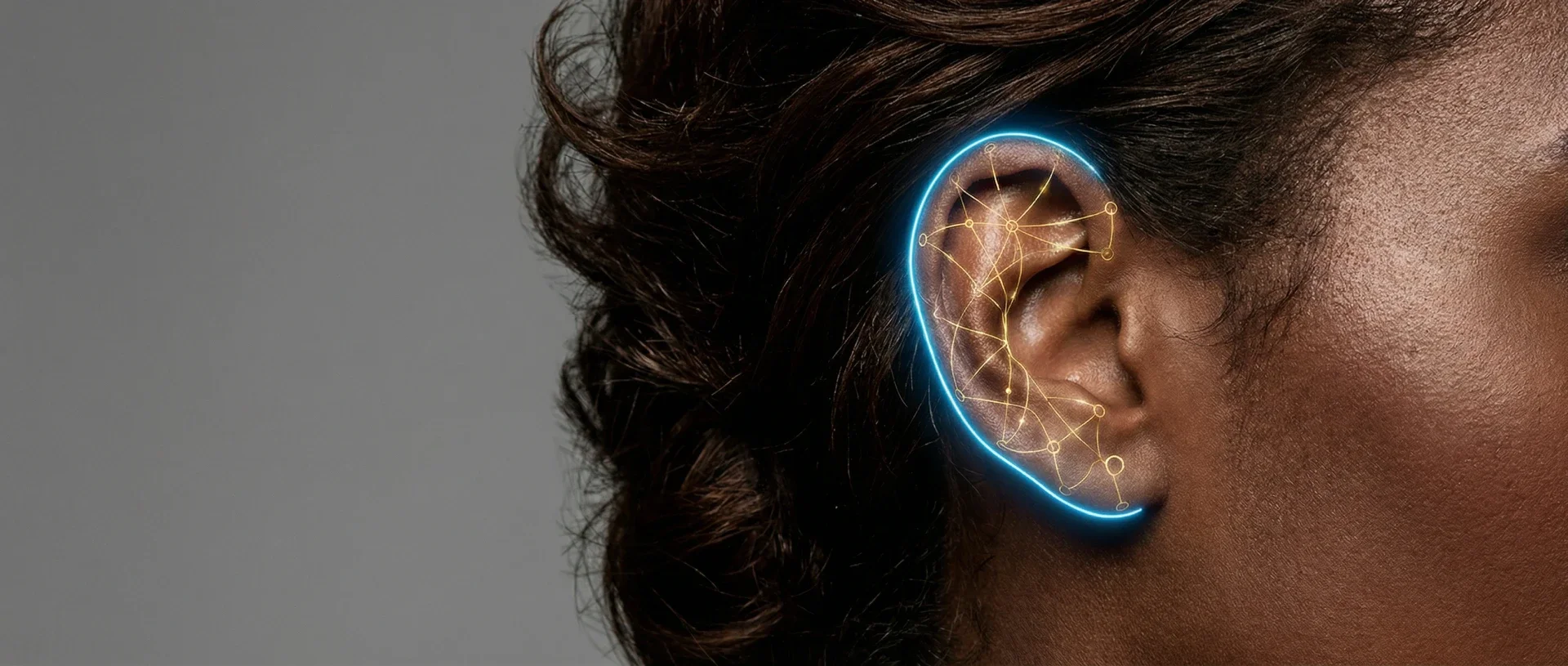
How is Otoplasty performed?
- It begins with a personalized medical evaluation to determine the patient's needs.
- Local anesthesia or sedation is used, depending on the complexity of each case.
- The procedure involves reshaping the auricular cartilage and repositioning it.
- The process concludes with a quick recovery supported by professional follow-up at Aliestetic.
Duration per session
From 1 to 2 hours.
Results are visible from the 2nd week, and the final result is reached within a period of 2 to 3 months.
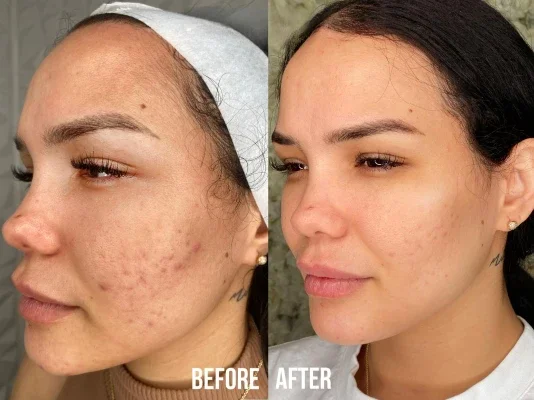
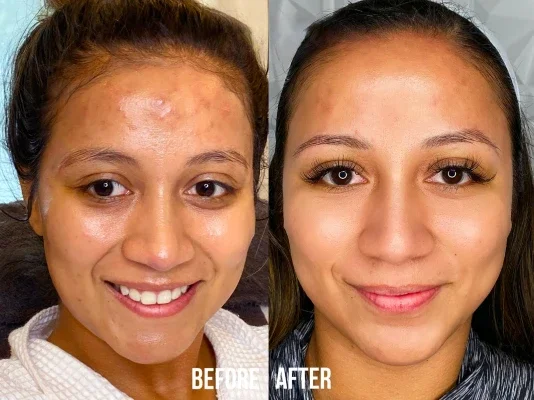
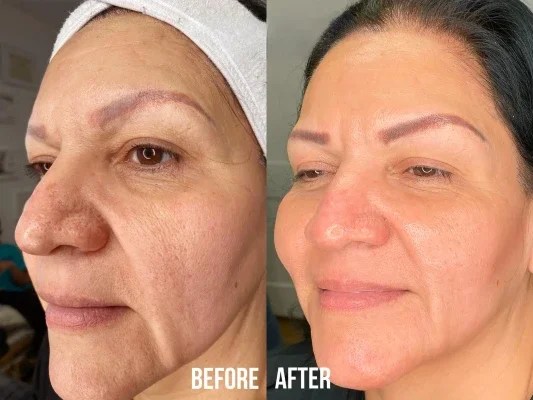
Real transformations
“I always felt insecure about my ears, and now I don't even remember them. The change was subtle, but it transformed me.” (Rafael G., 25 years old).
Results are individual: one patient’s experience does not represent what any given person should expect.
Book your appointment nowQuick facts
- Anesthesia type
- General anesthesia is common in children. Adults often have it under local anesthetic, with or without sedation
- Procedure time
- Roughly 1 to 2 hours for both ears
- Incision
- Behind the ear, in the retroauricular crease
- Dressing and headband
- Bulky dressing about a week, then a headband, commonly full time for a period and then at night for several weeks
- Back to school or work
- About a week for most patients. Contact sports and swimming considerably later
- Who operates
- An affiliated plastic surgeon. We give you the name, the Florida license number and the board certification at the consultation, before anything is scheduled
- Where recovery happens
- Follow up visits and wound checks at the Aliestetic center in Miami
On this page1 / 9What otoplasty actually corrects
Parents almost never open with the surgery; they open with the timing. Is five too early, is twelve too late. Adults open somewhere else entirely, usually with whether they will finally be able to wear their hair short.
Otoplasty, sometimes called ear pinning, reshapes and repositions the cartilage of the external ear, and is among the least discussed operations in aesthetic surgery, odd for one of the few done mainly on children.
Aliestetic is an aesthetic center in Miami that coordinates the consultation, organizes the pre operative workup and handles post operative follow up at our own center. The surgery is performed by our affiliated plastic surgeon.
What otoplasty actually corrects
Prominent ear is not one problem; it is usually a combination of two or three, and knowing which…
Prominent ear is not one problem; it is usually a combination of two or three, and knowing which explains why one person needs sutures and another needs the cartilage reshaped.
- An underdeveloped antihelical fold. The natural fold in the upper ear never formed properly, so the top leans outward instead of curving back.
- An overgrown conchal bowl. The deep cup of the ear is too large or too deep, pushing the whole ear away from the head.
- A prominent lobule. The earlobe flares out on its own, a common cause of a result that looks corrected on top and wrong at the bottom.
- Constricted or cup ear. The upper rim is folded down or the ear is short in height, and sometimes needs grafting or a flap rather than repositioning.
- Asymmetry between the two ears. Extremely common, and the reason surgery is planned ear by ear.
Worth saying plainly: matching the two ears exactly is not a realistic target. The goal is that they stop drawing attention and look like they belong to the same person.
The age question
Ear growth is largely finished by around five or six years old, which is where the conventional…
Ear growth is largely finished by around five or six years old, which is where the conventional recommendation comes from, not from any rule about school: the ear is already close to adult size, so a correction tends to hold proportion as the child grows. The school timing is a second, separate argument, since correction before or around the start of school avoids years of teasing. Some centers operate earlier than five, since younger cartilage is softer. There is no upper limit; teenagers and adults have the same operation, often under local anesthetic.
What matters more than the birthday is readiness: a child who understands what is going to happen, tolerates a dressing and headband for weeks, and wants it, does far better than one brought in because a parent is bothered.
Technique, and why it varies
Two families of technique exist, and most good results use a bit of both.
Two families of technique exist, and most good results use a bit of both.
Cartilage sparing, suture based techniques
Mustardé sutures are mattress sutures placed across the scapha to recreate the antihelical fold, folding the cartilage rather than cutting it; Furnas sutures anchor the conchal cartilage to the mastoid periosteum, pulling a deep conchal bowl closer to the head. The advantage is a natural fold and fewer sharp edges; the tradeoff is that everything depends on sutures holding.
Cartilage cutting or scoring techniques
Anterior or posterior scoring, and sometimes full thickness incision, weakens the cartilage so it bends where the surgeon wants. More often needed when the cartilage is stiff (typically adults), and carries a risk of visible edges if overdone.
The same practical review cited above, published in Plastic and Reconstructive Surgery Global Open, breaks that 2.8 percent pooled recurrence rate down by technique: slightly lower with cartilage sparing methods, around 2.9 percent, against 4.6 percent for cartilage cutting techniques.
In practice the choice is dictated by your cartilage.
The scar behind the ear
The incision runs in the retroauricular sulcus, the crease where the back of the ear meets the…
The incision runs in the retroauricular sulcus, the crease where the back of the ear meets the scalp; skin there heals well and the crease hides the line, so patients who look for it months later often have trouble finding it. Two caveats: the scar is permanent even when inconspicuous, and people prone to keloid or hypertrophic scarring carry a higher risk, worth raising before surgery.
How the process works
The consultation with your surgeon is where the ears are measured, the specific anatomy identified…
The consultation with your surgeon is where the ears are measured, the specific anatomy identified, and the plan chosen for each ear separately. This is also where anesthesia is decided: general is common for young children, local for adults. Pre operative instructions cover medications to stop and fasting rules. Both ears usually take one to two hours, and patients go home the same day with a bulky dressing.
Recovery week by week
Days 1 to 3
The sore part: ears throb, the dressing is tight and sleeping on your back is the only option. Head elevated, pain medicine on schedule, no getting the dressing wet. Call immediately about severe pain on one side, a possible first sign of hematoma.
About day 7
The dressing comes off and the ears are seen for the first time, swollen and slightly overcorrected looking. A headband takes over. Most adults and children return to work or school around this point.
Weeks 2 to 6
Headband protocols vary by surgeon, from around one to six weeks, typically shifting from full time wear to nights only. This is the least glamorous and most important instruction in the recovery, because the sutures are holding a shape the cartilage has not yet accepted. Swimming waits four to six weeks, contact sports around eight or until the surgeon clears it.
Months 2 to 6
Swelling finishes settling, numbness resolves gradually, and the scar fades. The shape at six months is the shape that is holding.
Follow up visits at Aliestetic cover incision checks, headband fit, and a plan for asymmetric-looking ears at week two, which is usually swelling, not a surgical problem.
Real risks
The same review in Plastic and Reconstructive Surgery Global Open, pooling 18 studies and roughly…
The same review in Plastic and Reconstructive Surgery Global Open, pooling 18 studies and roughly 1,590 patients, reported an overall complication rate around 14.4 percent: suture extrusion most common at about 5.4 percent, infection or wound problems near 2.6 percent, asymmetry around 2.1 percent and hematoma around 1.3 percent.
What each means in practice: suture extrusion is a permanent suture working its way out through the skin, uncomfortable and sometimes needing removal. Hematoma, blood collecting under the skin, is the emergency of otoplasty, since pressure on cartilage causes lasting damage if not drained promptly. Chondritis, infection of the cartilage itself, is uncommon but serious and can deform the ear permanently. Also on the list: partial recurrence, telephone ear and other shape problems, numbness for weeks to months, visible cartilage edges from aggressive scoring, keloid scarring, and anesthesia risk.
What to ask before choosing a surgeon
- Verify the license through the Florida Department of Health’s free public verification portal, and confirm board certification with the American Board of Plastic Surgery; board certified and cosmetic surgeon are not the same thing.
- Ask which technique is planned for each ear and why, what the headband protocol will be and for how long, and who provides anesthesia for a pediatric case.
- Ask to see before and after photos from the front, at six months or later, including a case that started asymmetric, and what the revision policy is if there is partial recurrence.
The division of labor at Aliestetic
Aliestetic coordinates, the surgeon operates, and the recovery happens with us in Miami: one point…
Aliestetic coordinates, the surgeon operates, and the recovery happens with us in Miami: one point of contact for scheduling and questions, and the weeks afterward managed at our center, wound checks and headband fit included. If your child is not ready, we would rather say so at the consultation.
Frequently asked questions
How many days of recovery does otoplasty need?
A bulky dressing usually stays on for about a week, and that first week is the restricted one. After the dressing comes off, most people move to a headband and are visible in public again. Adults commonly take about a week off. Full healing of the cartilage and its new position takes months, even though you look and feel normal long before that.
When can my child go back to school after otoplasty?
Most children go back about a week after surgery, once the dressing is off and they are comfortable in a headband. Physical education, recess roughhousing and anything that risks a knock to the ear stay off limits longer. Talk to the teacher in advance so the headband is expected rather than explained, and schedule the surgery over a school break if the timing works.
Does otoplasty hurt?
The first two or three days are the sore ones. Ears throb, the dressing feels tight and sleeping is awkward because you cannot lie on your side. Most patients, including children, do well on scheduled acetaminophen and whatever the surgeon prescribes for the first days. Persistent severe pain on one side is not normal and needs to be reported immediately, because it can signal a hematoma.
Will the scar show?
The incision is placed in the retroauricular sulcus, the crease where the back of the ear meets the head. Once healed, the scar sits inside a natural fold and is difficult to see even when someone looks for it. Scars are permanent and healing varies by person, and patients prone to keloid or hypertrophic scarring need that discussed openly before surgery, not after.
Does insurance cover otoplasty?
Purely cosmetic ear surgery is normally not covered. Some plans consider coverage for children, for congenital deformity, or for reconstruction after trauma, and criteria differ from plan to plan. Treat it as something to verify in writing with your specific plan before scheduling, using the exact diagnosis and procedure codes. Never assume coverage based on what someone with a different insurer was told.
When can I go back to work?
Adults with desk jobs commonly return about a week after surgery, once the dressing is replaced by a headband. Jobs involving helmets, headsets over the ear, heavy lifting or physical contact need longer, and that is worth raising at the consultation so the timing is planned rather than improvised. Sleeping on your side, not work, is usually the thing people miss most.
Can the ears go back to sticking out?
Partial recurrence is a real and documented outcome. A review published in Plastic and Reconstructive Surgery Global Open that pooled 18 studies and about 1,590 patients found a recurrence rate of roughly 2.8 percent and a revision rate near 2.1 percent, with cartilage sparing techniques showing slightly lower recurrence than cartilage cutting ones. Wearing the headband exactly as instructed is the part of that equation you control.
Is otoplasty worth it for an adult?
Adults do well with the same techniques and often under local anesthetic, with the advantage that they chose it themselves. Adult cartilage is stiffer, so some cases need scoring or incision rather than sutures alone. The change is permanent in the sense that ears do not drift back to where they were in most patients, but no surgeon can promise a specific outcome.
How should I read a before and after gallery?
Ask for front facing photos, not just profile shots, because otoplasty is judged from the front and from behind. Look for the same distance, lighting and hairstyle in both images, and for results at least six months out. Ask specifically to see a case with two ears that started asymmetric, since perfect symmetry is not the realistic goal and honest galleries show that.
Does otoplasty affect hearing?
No. The surgery works on the shape and position of the external ear cartilage and does not enter the ear canal or the middle ear. Hearing is unaffected. Ears may feel muffled while a bulky dressing is on and sensation around the ear can be reduced or altered for weeks to months, but that is nerve recovery, not a hearing change.
What is telephone ear?
It is a shape complication where the middle of the ear is pulled back more than the top and the earlobe, so the ear looks like an old telephone handset in profile. It comes from correcting the middle of the ear without addressing the upper pole and the lobule proportionally. It is one of the reasons the lobule is treated as part of the plan and not an afterthought.
Still not sure you are a candidate?
That is what the first consultation is for. It is free, there is no obligation, and you can come to Miami or start by video if you are travelling in.