
Updated

Surgical procedures are performed by an affiliated board-certified plastic surgeon. Aliestetic coordinates your consultation, pre-op and recovery.
What is Lipo 360 and how is it different from regular liposuction?
Lipo 360 is liposuction performed circumferentially around the midsection in one operation, typically the upper abdomen, lower abdomen, flanks, upper back and lower back, treated as a single unit rather than as separate problem spots. The difference from standard liposuction is not marketing. More surface area is treated, so the inflammatory response is larger, there is no comfortable position to lie in, the compression garment has to close an entire circumference instead of covering one panel, and manual lymphatic drainage matters more because more of the lymphatic network was disturbed. Most people return to desk work in one to two weeks, and the contour keeps refining well past that, with the result usually judged between three and six months and settled closer to a year. At Aliestetic in Miami, our affiliated plastic surgeon performs the surgery and our team runs the recovery program.
Benefits of Real and Lasting Results
Comprehensive Sculpting
Shapes the abdomen, waist, back, and sides simultaneously.
Total Harmony
Creates more harmonious and proportional results from every angle.
Lower Impact
Less physical trauma than performing multiple liposuctions separately.
Versatility
Can be combined with fat transfer (BBL) to maximize results.

How Does It Work?
- It begins with a personalized medical evaluation and detailed surgical planning.
- Fat extraction is performed using specialized cannulas and minimal incisions.
- A three-dimensional molding of the torso is performed to define the figure.
- The process includes assisted recovery with Aliestetic's exclusive postoperative protocol.
Duration per session
2 to 4 hours, depending on the complexity of the case.
Results are visible from the 3rd week and show progressive improvement up to 3-6 months.
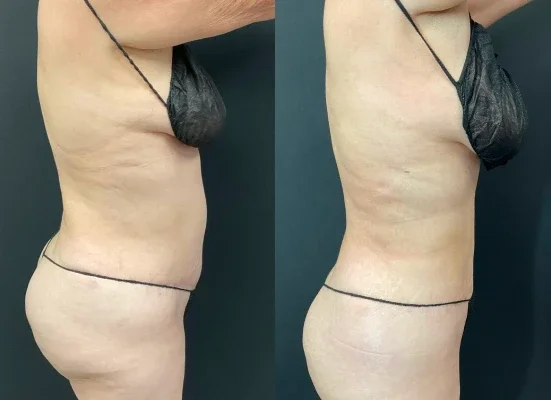
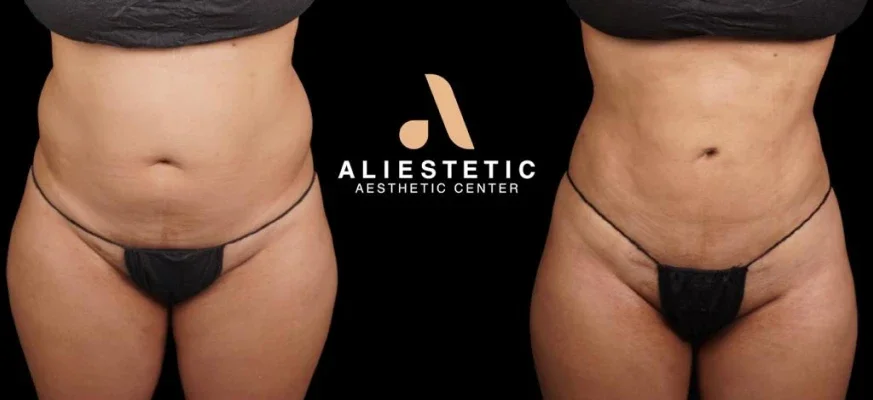
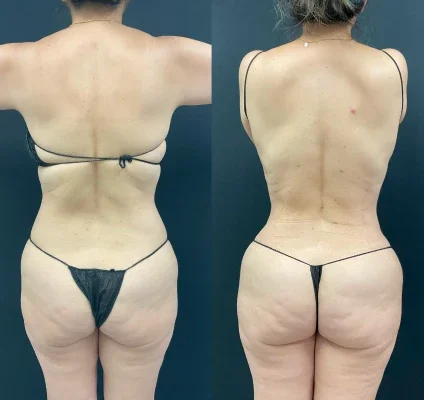
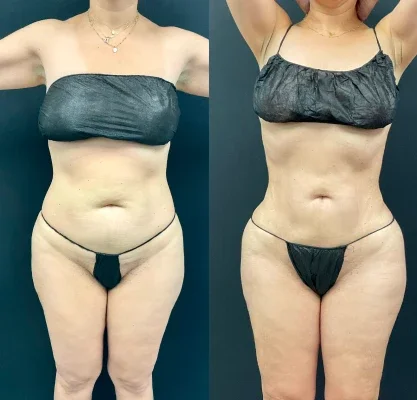
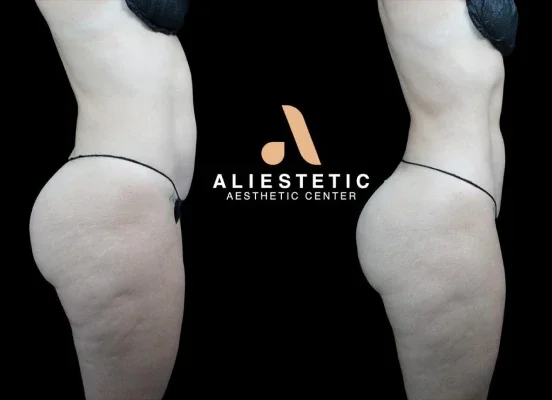
Real results
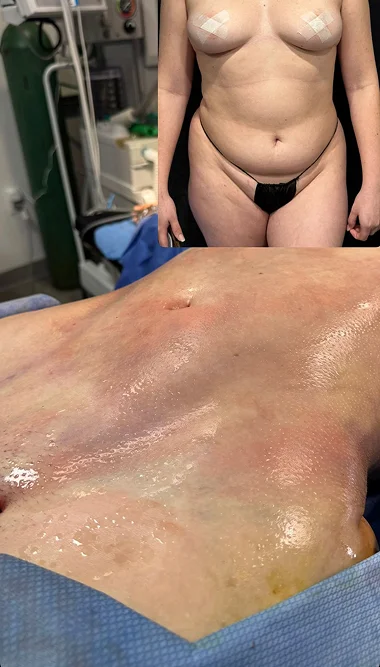
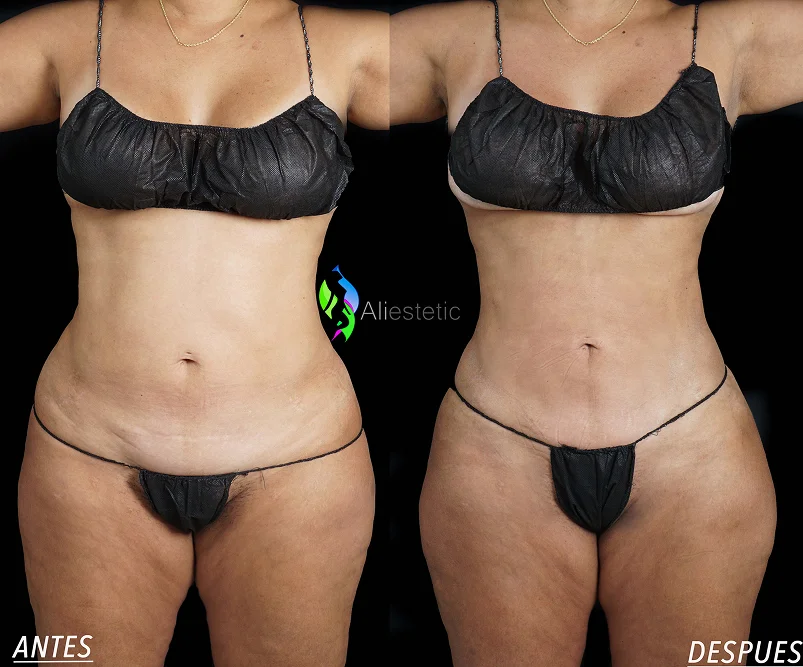
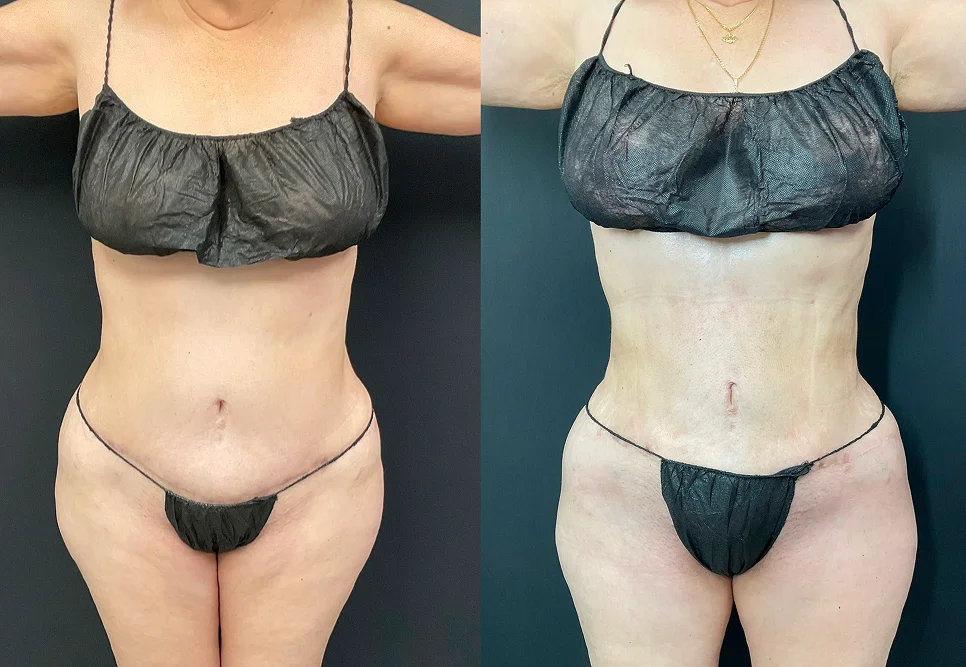
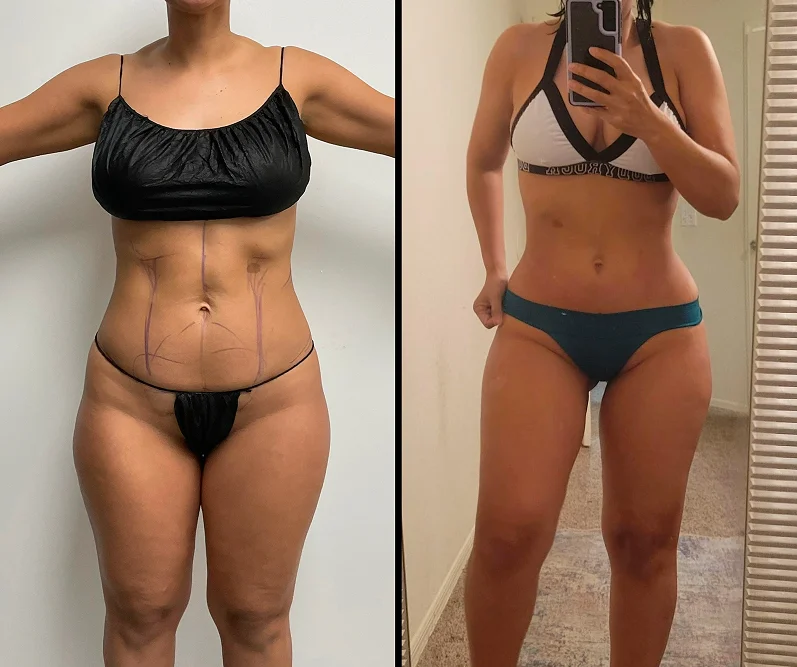
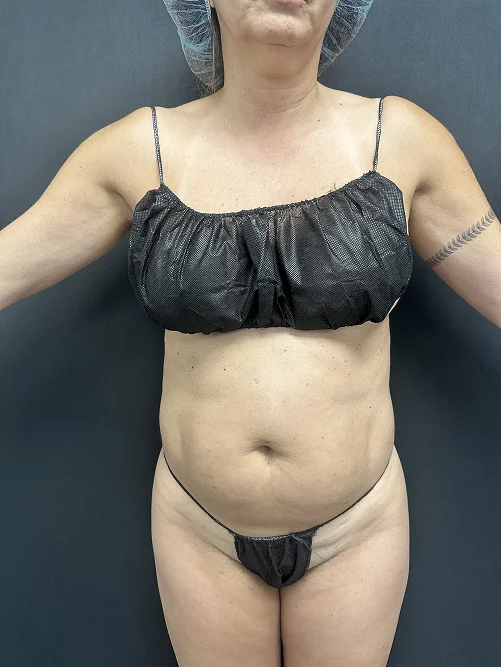
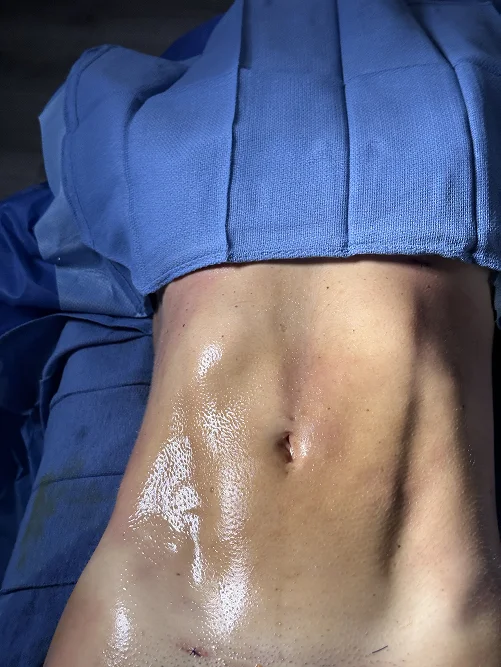
Results are individual and do not represent what any given person should expect.
Real transformations
“With Lipo360, I got my waist back, my back looks more stylized, and I feel incredible.” (Carla R., 41 years old).
Results are individual: one patient’s experience does not represent what any given person should expect.
Book your appointment nowQuick facts
- Areas treated
- Upper and lower abdomen, flanks, upper back and lower back as one circumference
- Anesthesia
- General anesthesia is common given the number of areas and the operating time
- Procedure time
- Commonly two to four hours or more, depending on the plan
- Back to work
- Desk work commonly seven to ten days. Physical work often three weeks or more
- Compression garment
- Circumferential, continuous at first and then stepped down. Four to six weeks or longer
- Final result
- Judged between three and six months, settled closer to nine to twelve
- Who operates
- An affiliated plastic surgeon. We give you the name, the Florida license number and the board certification at the consultation, before anything is scheduled
- Where recovery happens
- The Aliestetic recovery program in Miami, following the surgeon written orders
On this page1 / 8What is included in a 360
Lipo 360 is not a bigger liposuction. It is liposuction performed all the way around the midsection in one operation, so the front, the sides and the back are treated as one shape. A waist is not a front view problem: treat only the abdomen and you often look flatter from straight on and unchanged from the side, because the flanks and the roll across the lower back still hold the width.
Aliestetic does not operate. The surgery is performed by our affiliated surgeon, board certified by the American Board of Plastic Surgery, trained at the University of Virginia and at Northwestern. We coordinate the consultation and run the recovery program in our own Miami location.
What is included in a 360
In most plans the treated unit runs from the abdomen, upper and lower, around through both flanks…
In most plans the treated unit runs from the abdomen, upper and lower, around through both flanks to the back, upper and lower. Some surgeons describe it as six zones by splitting the waist from the flanks. The exact map comes out of your exam, because your anatomy decides where the shelf actually is.
It thins a continuous band so the underlying shape can show. It does not remove skin, repair separated abdominal muscles, or substitute for weight loss.
Why the recovery is genuinely different
There is no comfortable position
With an isolated abdomen you can roll onto your side. With a full circumference every surface is sore, so sleeping is the hardest problem of week one and a chair stays uncomfortable for longer than anyone warns you.
The garment has to close a circle
It compresses evenly all the way around or it does not work. If it rolls at the edge, digs into treated tissue, or runs a size too small in the waist and too large in the back, it creates a groove exactly where you wanted a smooth line. We check the fit with our hands rather than trusting the tag.
Lymphatic drainage carries more weight here
More treated surface means more of the lymphatic network was disrupted, so fluid has fewer efficient routes out, which is why swelling after a 360 feels more dramatic than after one area. Our lymphatic drainage guide explains what the sessions do and what they do not.
Am I a candidate?
The best candidates are near a stable weight, healthy, not smoking, with fat around the midsection…
The best candidates are near a stable weight, healthy, not smoking, with fat around the midsection and skin that still recoils when pinched. Being lean is not required. Having realistic skin is.
With significant skin laxity, removing the fat under it can make the laxity more visible. With a real diastasis recti after pregnancy, the separation of the abdominal muscles, no amount of fat removal closes it, because a surgeon has to repair it. And if the goal is a number on the scale, this is the wrong operation.
If your body mass index is high, outpatient candidacy becomes an individual judgment above 30 and a significant risk factor above 35.
Our affiliated surgeon decides this in person. That exam tells you whether you are a liposuction candidate, a skin removal candidate, or someone who should wait.
Technique, volume and the operating room
The base is tumescent infiltration, a dilute local anesthetic with epinephrine placed into the fat…
The base is tumescent infiltration, a dilute local anesthetic with epinephrine placed into the fat to numb it, reduce bleeding and make it easier to aspirate. The fat is then removed with power assisted cannulas, ultrasound assisted devices such as VASER, or a combination, depending on how fibrous the tissue is. The back tends to be dense, which is often where an experienced surgeon separates from a fast one.
Because a 360 covers more territory, total aspirate volume is a real conversation. The American Society of Plastic Surgeons practice advisory treats 5,000 milliliters of total aspirate as the threshold defining large volume liposuction, associated with higher complication risk, and generally calls for overnight observation beyond it. ASPS also notes there is no hard scientific cutoff and that body size changes what the number means. Ask how much your plan expects to remove and where you will spend that night.
Recovery week by week
- 01
Days 0 to 3
The worst of it. Diffuse soreness, tumescent fluid draining from the incisions for a day or two, garment on from the start. Short frequent walks begin the same day, because immobility is associated with venous thromboembolism and pulmonary embolism remains the leading cause of the rare deaths reported after liposuction.
- 02
Days 4 to 7
Swelling peaks in this window, not on day one. Bruising travels downward with gravity into places that were never touched, and you will look thicker and squarer than before surgery. Drainage often starts here once cleared.
- 03
Weeks 2 and 3
Most people go back to desk work. Numbness across the treated band is common and usually temporary. Hard patches and ridges appear as swelling redistributes: early fibrosis, which gets worked on rather than waited out.
- 04
Weeks 4 to 6
The waist starts to read. Compression continues in a lighter stage and exercise resumes on clearance. Swelling turns cyclical, worse at night and after salt, heat or a long day upright.
- 05
Months 3 to 6
The window where the shape is worth judging, with the two sides deswelling at different rates. The Lipo 360 recovery timeline goes deeper into each stage.
Real risks
Contour irregularity is the most common complication in liposuction overall, reported around two…
Contour irregularity is the most common complication in liposuction overall, reported around two percent in a systematic review, and a circumferential procedure gives it more surface to happen on, particularly across the back where you cannot see it. Also on the list: seroma, hematoma, hyperpigmentation, burns with energy assisted devices, infection, prolonged numbness, changes in sensation, fluid imbalance, skin necrosis and asymmetry. Anesthesia carries its own risks, and venous thromboembolism is uncommon and serious. Revision is a real possibility in body contouring, and how a practice handles it is a question to ask before surgery, not after.
What to ask before choosing a surgeon
- Verify the license in the Florida Department of Health Division of Medical Quality Assurance portal. It is free and shows license status and public discipline.
- Confirm certification with the American Board of Plastic Surgery. Board certified plastic surgeon and cosmetic surgeon are not the same credential.
- Ask what total aspirate volume is planned and whether you are staying overnight.
- If gluteal fat grafting is part of the plan, ask specifically about subcutaneous placement and ultrasound guidance under Florida statute 458.328.
- Ask who manages your recovery and what happens if fibrosis or a seroma appears.
Who operates and who recovers you
Our affiliated surgeon performs the surgery. Aliestetic takes the months that follow, which is…
Our affiliated surgeon performs the surgery. Aliestetic takes the months that follow, which is where a 360 is won or lost: drainage scheduled against your surgeon’s written clearance, staged compression with the fit verified, carboxytherapy on hardened areas once authorized for your stage, and wood therapy only in the late phase, never during the fragile early weeks.
Frequently asked questions
How many days of recovery does Lipo 360 need?
Expect the first three days to be genuinely hard and roughly seven to ten days before you feel functional. That is longer than a single area liposuction because more territory was treated. Most people are back at a desk job somewhere in the first two weeks, and physically demanding work takes longer. Walking short distances starts the same day, which is not optional.
When can I go back to work?
Desk work is commonly cleared around seven to ten days, sometimes two weeks. Jobs that involve lifting, standing all day or driving long distances usually need more, often three weeks or more. The practical obstacles are the garment under work clothes and the fact that sitting for eight hours is uncomfortable when your flanks and lower back were treated. Your surgeon gives the clearance.
Does it hurt more than a regular liposuction?
Most patients say it is not sharper pain, it is pain with nowhere to go. With a single area you can usually shift onto an untreated side. With a circumference treated there is no comfortable position, so sleeping is the hardest part of the first week and a reclined position is usually more tolerable than lying flat. Soreness is diffuse and worst when changing position.
How much smaller will my waist get?
Nobody can give you a number before examining you, and any clinic quoting inches in a text message is guessing. What changes is the relationship between the waist and the hips, because treating the back and flanks removes the shelf that makes a waist read wider. Early measurements are unreliable because of swelling. The honest measurement is the one taken at three months or later.
How long do I wear the compression garment?
Usually four to six weeks or longer, continuous at first and then stepped down in stages. With a circumferential procedure the fit matters more than with a single area, because the garment has to compress evenly all the way around without cutting a ridge into the treated skin. A garment that rolls or digs creates the very irregularity you were trying to avoid, so it gets checked rather than assumed.
When do lymphatic drainage sessions start?
Many surgeons clear gentle manual lymphatic drainage in the first week, often between day three and day seven, and some prefer to wait. Two or three sessions a week during the first month is a common rhythm, then it tapers. It carries more weight after a 360 than after a single area because more of the lymphatic network was disturbed. We schedule from the written clearance, never ahead of it.
When do I see the final result?
Give it three to six months for the shape to be worth judging, and closer to nine to twelve months for the settled version. Swelling is the reason. It comes down in waves rather than in a straight line and it does not leave both sides at the same speed. Judging yourself at week three, when the garment is on and everything is square, is the most common way people scare themselves for nothing.
Is it worth it?
It tends to be worth it for someone near a stable weight who wants the whole midsection proportioned rather than one spot removed, and who has skin with reasonable elasticity. It tends to disappoint someone with significant skin laxity, a marked diastasis after pregnancy, or an expectation of weight loss. That distinction is made on an exam table, not from photos.
Can I combine Lipo 360 with a fat transfer to the buttocks?
It is a frequent combination and in Florida it comes with its own law. Statute 458.328 requires the fat to be placed only in the subcutaneous space, never into or beneath the gluteal muscle, requires ultrasound guidance during cannula placement and navigation, forbids delegating the harvest or the injection, requires one physician to one patient through all phases, and requires an in person exam no later than the day before. A clinic that cannot describe those rules is a clinic to walk away from.
How should I read before and after photos?
Same angle, same lighting, same posture, same distance, and a stated time point. For a 360 specifically, ask to see the back and the sides, not only the front, because the back is exactly where the work either shows or does not. Look for patients whose starting skin quality and body type resemble yours rather than the single most dramatic case.
Is Lipo 360 the same as a tummy tuck?
No, and they solve different problems. Lipo 360 removes fat circumferentially and depends on your skin retracting onto the new contour. A tummy tuck removes skin and can repair separated abdominal muscles. If your issue is loose skin or a real diastasis after pregnancy, a circumferential liposuction can thin the area and leave the laxity looking more obvious. That comparison belongs in your consultation.
Still not sure you are a candidate?
That is what the first consultation is for. It is free, there is no obligation, and you can come to Miami or start by video if you are travelling in.