Lymphatic Drainage After Surgery
Updated
On this page1 / 7Why does the swelling happen in the first place?
You had surgery. The swelling is worse than you expected, the area feels heavy and tight, and everyone on Instagram is telling you to book lymphatic massages immediately. Some of that advice is sound. Some of it will get you hurt.
Aliestetic is an aesthetic center in Miami; surgery is performed by an affiliated plastic surgeon, and every recovery plan here follows what the operating surgeon instructs.
Why does the swelling happen in the first place?
Your lymphatic system is a network of thin vessels and nodes that collects the fluid your blood vessels leak into tissue, filters it, and returns it to circulation. It runs quietly all day and you never think about it.
Your lymphatic system is a network of thin vessels and nodes that collects the fluid your blood vessels leak into tissue, filters it, and returns it to circulation. It runs quietly all day and you never think about it.
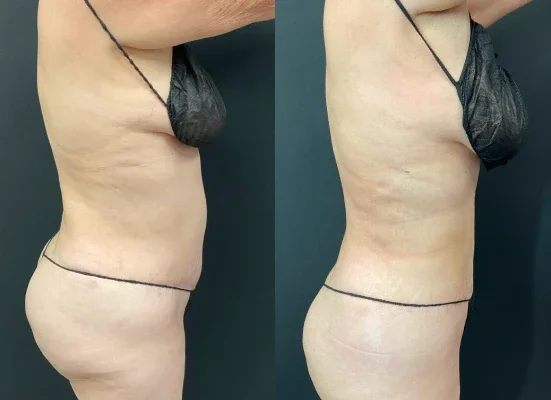
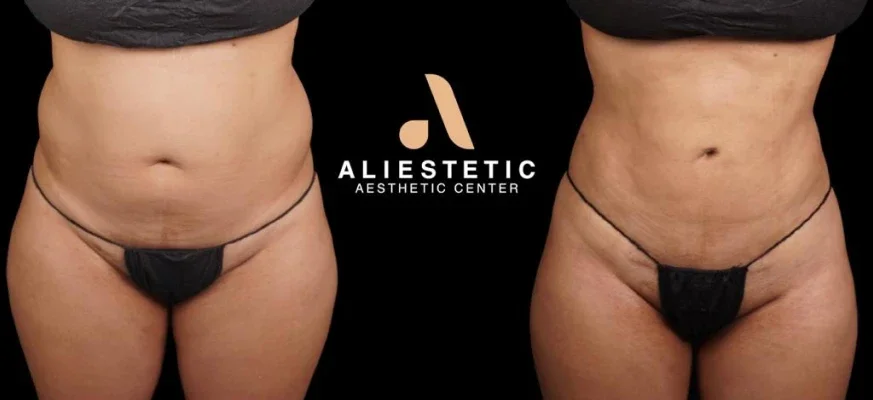
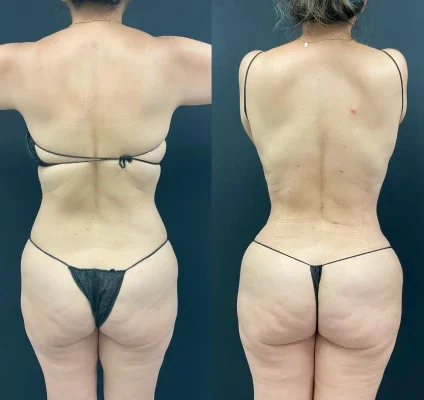
During liposuction, a cannula moves back and forth through the fat layer. That layer contains lymphatic vessels. Some of them are disrupted. The same is true, to different degrees, after abdominoplasty, after fat grafting and after most body contouring work.
So you end up with two things happening at once. First, surgical trauma triggers an inflammatory response, which is normal and necessary for healing. Second, part of the drainage network that would normally clear that inflammatory fluid is temporarily less efficient. The result is the swelling, the tightness, the sensation that the area is full of water, and often a body that looks bigger than it did before surgery.
That phase is expected. It is not a sign that something went wrong.
What does manual lymphatic drainage actually do?
Manual lymphatic drainage, sometimes called MLD, is a specific hands-on technique. It uses very light pressure applied in the direction of lymph flow, clearing the nodes closer to the trunk first so that fluid further out has somewhere to go.
Manual lymphatic drainage, sometimes called MLD, is a specific hands-on technique. It uses very light pressure applied in the direction of lymph flow, clearing the nodes closer to the trunk first so that fluid further out has somewhere to go.
It is not the same thing as a deep tissue massage, a sports massage, or the aggressive “post-op massage” videos that circulate online where someone is visibly in pain. Real MLD is gentle. If it hurts, it is not MLD.
The reasonable goals are comfort, a reduction in the heavy congested feeling, help with fluid distribution, and a structured touchpoint where a trained person looks at your body regularly during the weeks when complications tend to appear.
What does the evidence say, honestly?
The strongest published evidence for manual lymphatic drainage comes from lymphedema care, particularly lymphedema after breast cancer surgery, where it has been studied in randomized controlled trials and systematic reviews indexed in PubMed. Even there the results are mixed and reviewers describe modest effects, generally as part of complete decongestive therapy rather than as a standalone treatment.
The strongest published evidence for manual lymphatic drainage comes from lymphedema care, particularly lymphedema after breast cancer surgery, where it has been studied in randomized controlled trials and systematic reviews indexed in PubMed. Even there the results are mixed and reviewers describe modest effects, generally as part of complete decongestive therapy rather than as a standalone treatment.
That gap between what the evidence supports and what gets promised is why a lot of clinics oversell this.
Evidence specific to cosmetic surgery recovery is much thinner. There are small trials, including a randomized clinical trial comparing extracorporeal shock wave therapy against manual lymphatic drainage in women after liposuction, but the body of literature is not large enough to support strong claims. No serious source states that MLD after liposuction is proven to improve your final contour.
So here is the honest position. Manual lymphatic drainage is a low-risk supportive therapy that many patients find genuinely relieving during the swollen weeks. It is not a treatment that decides your outcome, and anyone telling you that your result depends on buying a package of massages is selling, not informing.
When is it safe to start?
When your operating surgeon says so. Not when a post on social media says so.
When your operating surgeon says so. Not when a post on social media says so.
That is not a formality. The surgeon knows which planes were treated, whether fat was grafted, whether drains are in place, whether there were any intraoperative findings that change the plan. A therapist who starts working on a body without that information is guessing.
In practice, many surgeons clear patients for gentle drainage within the first week after body contouring, and some prefer to wait longer. After fat grafting to the buttocks, the grafted area itself is usually handled differently from the liposuction donor areas, because the graft needs to establish blood supply and is not something to press on.
At Aliestetic, in Miami, the sequence is simple. You bring your surgeon’s post-operative instructions. We work inside them. If your instructions are unclear or you do not have them, we ask you to get them before we begin.
What does a session look like?
Expect roughly this. A short check of how you are healing, how the swelling has moved since the last session, how your compression garment is fitting and whether anything new has appeared. Then the drainage work itself, at light pressure, avoiding incisions that are not fully closed and avoiding grafted areas unless your surgeon has specifically authorized work there. Then getting your garment back on correctly, which matters more than people think.
Expect roughly this. A short check of how you are healing, how the swelling has moved since the last session, how your compression garment is fitting and whether anything new has appeared. Then the drainage work itself, at light pressure, avoiding incisions that are not fully closed and avoiding grafted areas unless your surgeon has specifically authorized work there. Then getting your garment back on correctly, which matters more than people think.
Aliestetic also offers carboxytherapy and wood therapy in house, and a 45 minute wellness protocol. Those are separate tools with separate timing. Wood therapy in particular is not an early post-operative treatment, and you can read why on our wood therapy page. Nothing gets added to your plan just because it exists on a menu.
Who should not have lymphatic drainage right now?
Some situations mean you stop and call your surgeon rather than book a session:
Some situations mean you stop and call your surgeon rather than book a session:
- Fever, chills, or feeling systemically unwell
- Redness spreading from an incision, increasing pain, or drainage that smells or looks purulent
- A new, hard, hot, painful area
- Calf pain, calf swelling on one side, chest pain or shortness of breath, which need emergency assessment for possible clot
- A fluid pocket that sloshes or moves under the skin
That last one is a possible seroma, and it needs your surgeon’s evaluation, often with ultrasound. Massage is not the answer to it.
There are also general reasons a therapist will decline to work, including active infection, untreated cardiac or renal conditions where fluid shifts matter, and known active clotting problems. Tell us your full medical history, including medications and supplements.
What if you flew into Miami for the surgery?
Miami receives patients from across the United States for cosmetic procedures. Many book the surgeon carefully and then discover that the weeks after surgery are the part that was never organized. They are in a rented apartment, they do not know who to call, and their flight home is in nine days.
Miami receives patients from across the United States for cosmetic procedures. Many book the surgeon carefully and then discover that the weeks after surgery are the part that was never organized. They are in a rented apartment, they do not know who to call, and their flight home is in nine days.
It is the part of the trip nobody plans well.
The CDC has documented this pattern. In an analysis published in Emerging Infectious Diseases covering CDC consultations from 2014 to 2024, researchers identified 21 consultations involving roughly 145 patients who had traveled for cosmetic procedures, most commonly liposuction and abdominoplasty. Post-surgical infections were described in 20 of those consultations, and in 12 of them nontuberculous mycobacteria were suspected or confirmed. Four consultations involved a patient death. The CDC’s recommendation is not to panic, it is to plan: verify credentials, understand the aftercare, and know who is watching you while you heal.
That is the gap Aliestetic works in. Coordinated recovery in Miami, with a schedule that fits your travel dates, and a team that sees your body often enough to notice when something changes.
Ask your surgeon what your first two weeks should look like, then let us build the calendar around it. And if you have not chosen a surgeon yet, choose one who will answer that question in detail before you pay a deposit.
What does lymphatic drainage do after cosmetic surgery?
Manual lymphatic drainage is a light, rhythmic hands-on technique that follows the direction of lymph flow to help the body move post-surgical fluid toward working lymph nodes. It is not a deep tissue massage and it should not be painful. After liposuction, a BBL or a tummy tuck, the cannula passes through tissue that carries lymphatic vessels, so fluid that used to drain easily can pool and leave the area heavy, tight and swollen. At Aliestetic in Miami, drainage sessions are scheduled only after the operating surgeon clears the patient, and pressure stays gentle over incisions and grafted areas. Published research on manual lymphatic drainage is strongest in lymphedema care rather than in cosmetic surgery recovery, so the honest framing is comfort and swelling management rather than a promised result. Patients who travel to Miami for surgery often book a series of sessions before flying home.
Frequently asked questions
When can I start lymphatic drainage after surgery?
Only when your operating surgeon clears you. Many surgeons clear patients within the first week, but the decision belongs to the person who performed the procedure and knows what was done inside. Aliestetic will not start a series without that clearance.
Is lymphatic drainage supposed to hurt?
No. Manual lymphatic drainage uses very light pressure, close to a skin stretch rather than a deep knead. Pain, bruising or a burning sensation during a session is a sign the pressure is wrong for your stage of healing, and you should say so immediately.
How many sessions will I need?
It varies with the procedure, how much was removed, your swelling pattern and your surgeon's plan. Some people are scheduled for a short series in the first weeks, others continue longer. Nobody can promise a fixed number in advance without seeing you.
Can lymphatic drainage prevent a seroma?
There is no reliable evidence that it prevents seromas. Drainage may help with the feeling of heaviness and with fluid distribution, but a seroma is a fluid pocket that needs your surgeon's assessment, and often ultrasound-guided aspiration, not a massage.
Questions about your case?
Consultations are free, in person in Miami or by video if you are out of state.
Book a free consultation