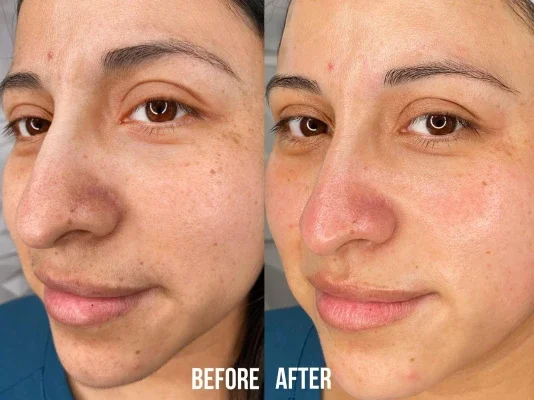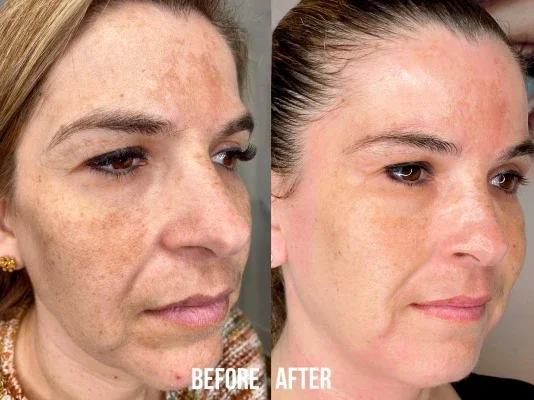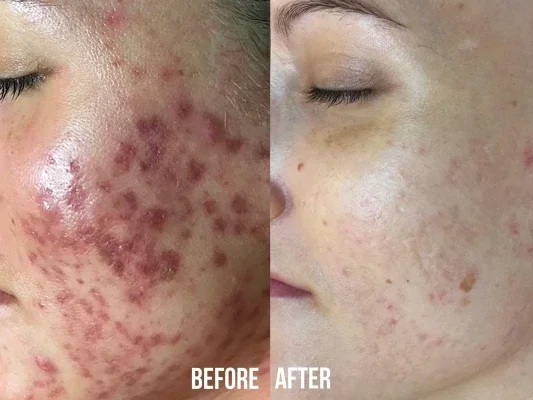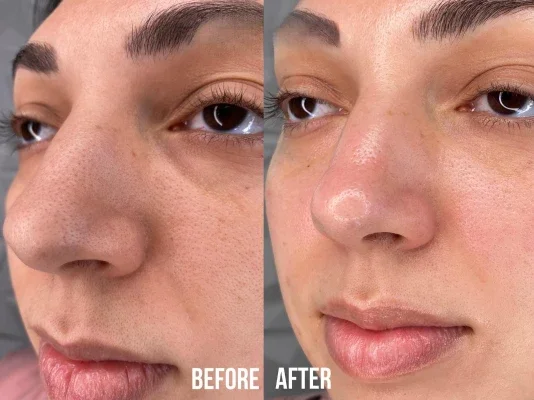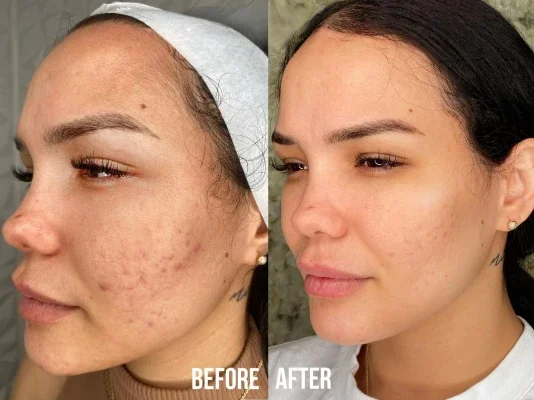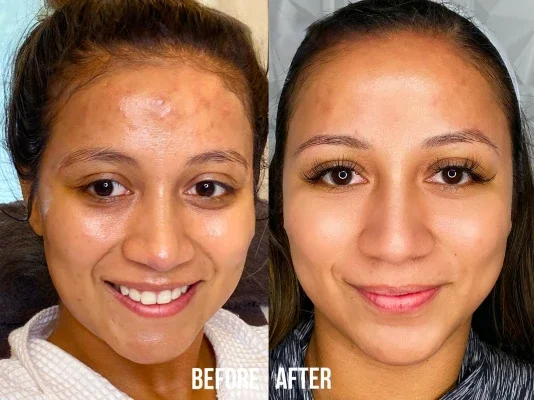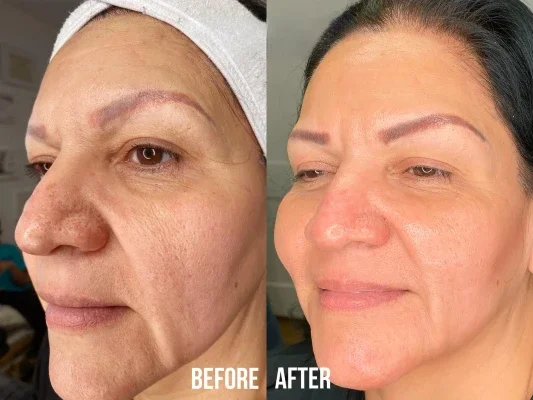
You lost the weight. The skin did not follow
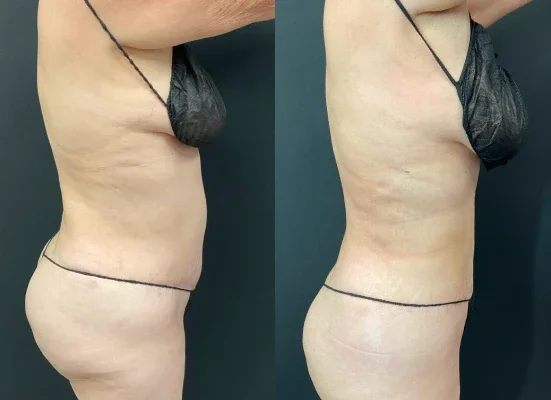
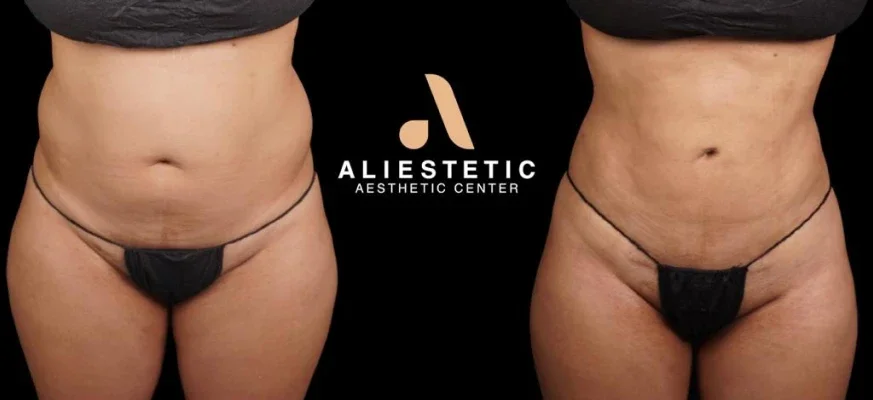
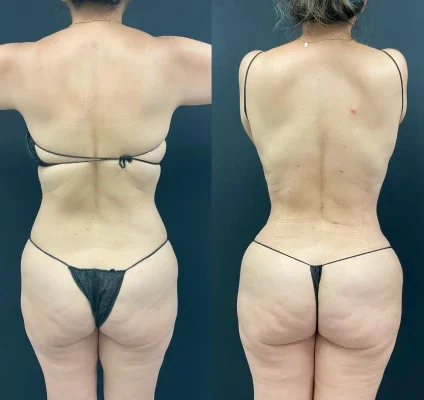
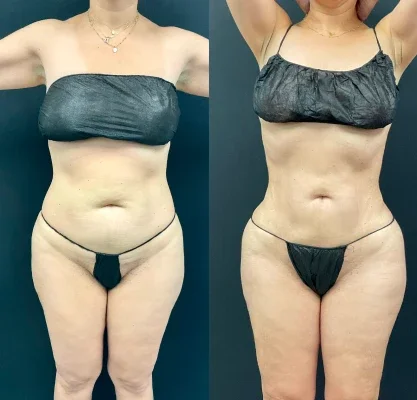
You reached your goal weight on Ozempic, Mounjaro or Wegovy and the mirror is not telling the story you expected. Skin hangs at the arms and abdomen, everything feels softer than it looks on the scale, and clothes fall differently than you pictured. This is not in your head and it is not a discipline problem.
Two different things are happening
They get treated separately, so it is worth separating them.
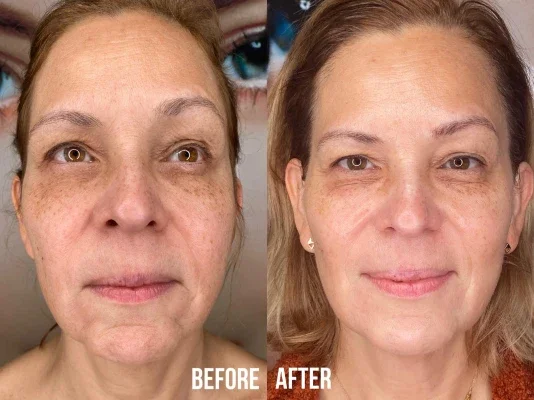
The first is skin. When the volume underneath disappears quickly, skin cannot retract at the same rate. How well it does depends on age, genetics, how much was lost and how long the tissue was stretched.
The second, and the one almost nobody explains, is muscle. A meaningful share of what comes off with these medications is not fat. In the body composition substudy of the STEP 1 trial with semaglutide, about 40 percent of the weight lost was lean mass. In SURMOUNT 1 with tirzepatide, it was around 25 percent. Muscle is what provides shape, firmness and support underneath the skin. Lose it and the body reads as smaller but also softer.
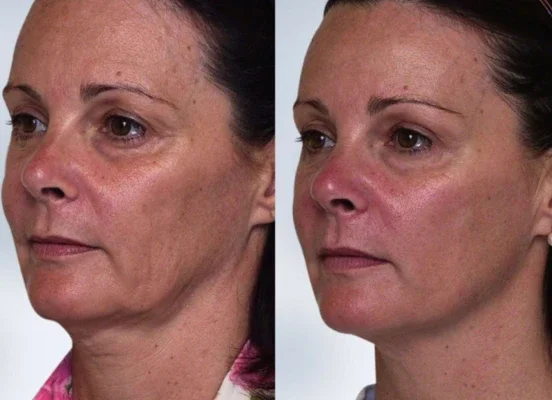
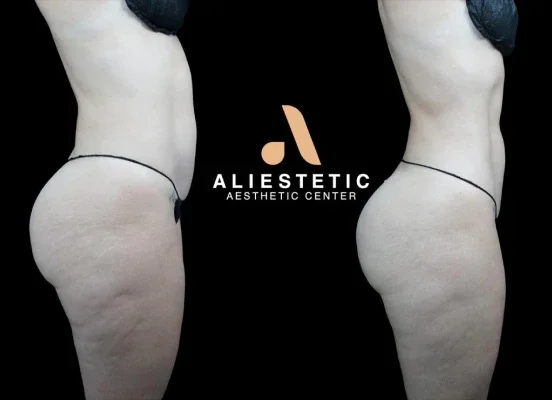
You have probably already seen the shorthand for this online: people call it Ozempic face when it shows up in the face and Ozempic butt when it shows up in the glutes. The American Society of Plastic Surgeons now recognizes it as a common reason for consultation.
What we do at Aliestetic
One thing first, because it matters: Aliestetic does not prescribe or manage GLP-1 medications. That belongs with the physician running your weight treatment. What we do starts where the scale stops.
The consultation begins by assessing which factor dominates in your case, skin or muscle, and in which areas. From there the plan may combine work on tissue quality, work on muscle, and support from our wellness and recovery program.
If your case is beyond what a non-invasive treatment can resolve, we will tell you. Where skin excess is large, the honest answer is surgical, and we coordinate that evaluation with an affiliated board-certified plastic surgeon.
What can be done about loose skin after losing weight on Ozempic?
40%of the weight lost on semaglutide was lean mass in the STEP 1 body composition substudy
Rapid weight loss on GLP-1 medications such as semaglutide or tirzepatide leaves two distinct problems that are treated differently. The first is skin laxity, which appears because tissue cannot retract at the rate volume is lost, and is addressed with radiofrequency microneedling that stimulates remodeling in the dermis. The second, less widely understood, is loss of lean mass: in the body composition substudy of the STEP 1 trial roughly 40 percent of the weight lost on semaglutide was lean mass, and in SURMOUNT 1 with tirzepatide it was around 25 percent. That loss is addressed with focused electromagnetic muscle stimulation aimed at rebuilding tone and volume. Aliestetic, an aesthetic center in Miami, assesses which of the two factors dominates before proposing a plan, and does not prescribe GLP-1 medications.
Frequently asked questions
Why do I have loose skin after losing weight on Ozempic?
Skin has a limited ability to retract, and when weight comes off quickly it cannot keep pace with the change in volume underneath. How much it retracts depends on age, genetics, how much weight was lost and how long the skin was stretched. Two people who lost the same amount can end up looking very different, which is why a plan built from your case matters more than a plan built from a before-and-after photo.
Is it true that these medications cause muscle loss?
Yes, and it has been measured. In the body composition substudy of the STEP 1 trial with semaglutide, roughly 40 percent of the weight lost was lean mass. In SURMOUNT 1 with tirzepatide, it was closer to 25 percent. Muscle is what gives the body shape and support, so losing it explains why people can look smaller and softer at the same time. That is not a perception problem, it is body composition.
Is my problem the skin or the muscle?
That question decides everything else, because the two are treated differently. Loose skin is worked on with radiofrequency microneedling, which delivers energy into the dermis to trigger a remodeling response. Lost muscle is worked on with focused electromagnetic stimulation aimed at rebuilding tone and volume in the areas that lost support. Most people arriving at goal weight have some of both, in different proportions, which is what the consultation is for.
Can I start while I am still on the medication?
It depends on your clinical situation and on what the physician prescribing your medication advises. Aliestetic does not prescribe or manage GLP-1 medications. What we do is coordinate the aesthetic plan with the stage you are in, because starting while you are still losing is a different plan from starting once your weight has held steady.
Should I wait until I reach my goal weight?
As a general rule, work on the skin gives a better return once weight has stabilized, because if you keep losing there will be new laxity to address. Muscle work is different: preserving and rebuilding lean mass makes sense before, during and after, precisely because that loss is the underlying problem. It is decided case by case.
Is there a point where surgery is the only real answer?
Yes. When the amount of excess skin is significant, as it often is after very large losses, no non-invasive treatment is going to remove that tissue. The honest thing is to say so. Aliestetic coordinates that evaluation with an affiliated board-certified plastic surgeon so you know clearly whether your case is a treatment case, a surgical case, or a combination.
Start by finding out what is actually going on
The consultation is free, in person in Miami or by video if you are out of state.
Book a free consultation